The U.S. military sent a message to Iranian forces and ordinary Iranians on Thursday, March 26, urging them to abandon the Islamic Revolutionary Guard Corps (IRGC) after Israeli forces took out another senior commander in a precision strike.
Adm. Brad Cooper, head of U.S. Central Command, confirmed the death of Alireza Tangsiri, longtime commander of the IRGC’s navy.
Israeli officials said the airstrike hit its target in Bandar Abbas, a key port city in southern Iran. Tangsiri had led the force for eight years, overseeing operations that repeatedly targeted merchant shipping in the region.
“Under his command, the IRGC Navy harassed thousands of merchant vessels and carried out drone and missile attacks that killed civilians,” Cooper said in a statement. He described the strike as a major setback for Iran’s efforts to control key waterways.
The murder occurs in the midst of a growing conflict that has attracted U.S.-Israeli forces, who worked together to launch the strike, which was directed towards Iranian assets. This is a major setback for the IRGC, given that its naval assets have been severely damaged in recent weeks.
Also Read: Global Stocks Expected to Drop as IRGC Claims Total Control of Strait of Hormuz
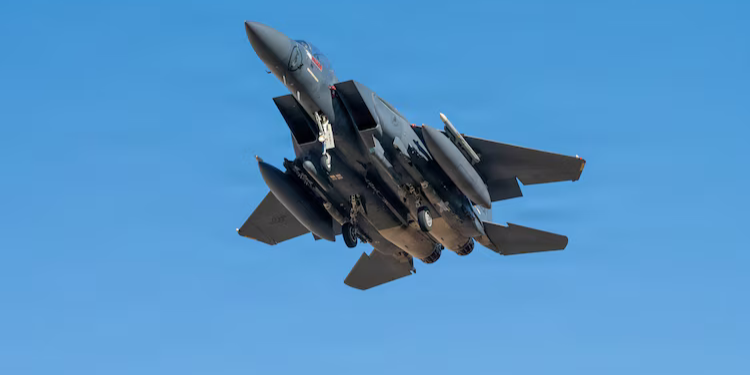
Cooper tied the development directly to Operation Epic Fury, a U.S.-led campaign that kicked off earlier this month. The operation has focused on dismantling Iran’s ability to threaten shipping lanes and launch attacks beyond its borders.
According to CENTCOM updates, American and allied strikes have destroyed or damaged more than 90 percent of Iran’s largest naval vessels. Cooper said the once-formidable IRGC Navy has lost its capacity to project power across the region.
“Those days are over,” he said, referring to Iran’s history of interfering with international shipping. “They are not sailing. They’ve now lost the ability to meaningfully project naval power.”
The admiral depicted a force in disarray, with sailors left without working ships or clear leadership. He called on rank-and-file members of the IRGC Navy to walk away while they still can.
The message shows a wider U.S. strategy of combining military pressure with direct appeals to Iranian personnel.
Earlier today, before the U.S. military issued the statement, while confirming his elimination, Israeli Prime Minister Benjamin Netanyahu had stated that the tenure of Tangsiri was marked by aggressive actions in the Strait of Hormuz and the surrounding waters, adding that he was the brain behind the closure of the Strait, thereby disrupting the smooth flow of vessels.
Also Read: Iran Prepares “Deadly Trap” for U.S. Troops as Kharg Island Tensions Spike
The narrow passageway carries a significant share of the world’s oil supply, and disruptions there permeate through global energy markets.
Iranian state media has largely stayed quiet regarding the alleged strike, and Tehran has yet to officially acknowledge Tangsiri’s demise.
Israeli Defense Minister Israel Katz, however, didn’t shy away from claiming responsibility, stating it was part of a sustained campaign to eliminate perceived dangers.
The attack on Bandar Abbas is part of the familiar pattern of targeted strikes against IRGC assets and command structures. The previous attacks, all aimed at weakening Iran’s military position, have targeted command centers, missile sites, and air defenses.
IRGC Counting Losses.
According to U.S. officials, the objective of Operation Epic Fury, ordered by President Donald Trump, is to eliminate Iran’s ability to threaten American forces, allies, and commercial shipping.
According to Pentagon fact sheets, the operation has resulted in thousands of targets being struck, dozens of vessels damaged or sunk, and key production sites for its missiles and drones being severely damaged.
Oil prices have been rising as a direct result of the troubles in the Strait of Hormuz. This has everybody concerned about the cost of energy in the world. Shipping companies have responded by diverting their routes. This has added to the complexity of international trade.
The wider Middle East conflict does not appear to be abating in the face of these recent developments. Both Washington and Jerusalem have signaled a determination to press ahead with operations intended to curb Iran’s influence.
Iran is expected to respond to this development, as it has in the recent past when top-ranking officials were taken out of action.