For many Kenyans, the idea of saving can feel impossible. Rent is due, transport costs keep rising, school fees must be paid, food prices change often, and unexpected expenses seem to appear at the worst possible time. In such moments, saving can feel like something only people with high incomes can afford. “I will start saving when I get a better job.” “I will start saving when my business grows.” “I will start saving when I have extra money.” These thoughts are common, but they can quietly delay financial progress for years. The problem is that “extra money” rarely arrives. Expenses tend to grow with income, whether someone earns KSh 20,000, KSh 50,000, or KSh 200,000.
The truth is that wealth is not built by income alone. It is built by the small amounts you consistently keep, protect, and grow.
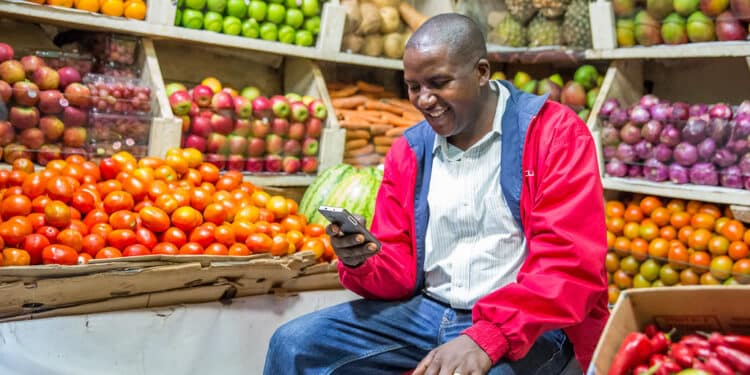
That is where mobile banking has changed the game. With a phone in your hand, you no longer need to wait for a bank visit, a large deposit, or the perfect financial moment. You can start building discipline immediately, one small transfer at a time.
The journey to financial freedom can start with something as small as KSh 50 a day.
Why Small Savings Matter
At first glance, saving KSh 50 or KSh 100 daily may seem insignificant. But the numbers tell a different story:
- KSh 50 per day = KSh 1,500 per month
- KSh 100 per day = KSh 3,000 per month
- KSh 200 per day = KSh 6,000 per month
In one year, daily savings of KSh 50 grow to KSh 18,250; KSh 100 grows to KSh 36,500; and KSh 200 grows to KSh 73,000.
Also Read: Choosing the Right SACCO in Kenya: What to Look for and How to Decide
Most people underestimate what consistency can achieve. Small savings may not change your life in one month, but they can significantly improve your financial position over several years.

How Mobile Banking Has Changed Saving in Kenya
A decade ago, saving often meant physically visiting a bank branch. Today, almost every Kenyan with a mobile phone can access savings products directly from their handset.
Mobile banking has made saving convenient, automated, accessible, and easier to separate from daily spending. Money can be moved instantly from M-Pesa to a savings account, standing orders can be set up, and many products allow people to start with as little as KSh 50 or KSh 100.
This convenience has removed many of the barriers that previously prevented people from saving. However, convenience alone is not enough; discipline is still required.
Pay Yourself First
Most people try to save what remains after spending. Successful savers do the opposite: they save first and spend what remains.
The moment salary, business income, or freelance earnings arrive, transfer a fixed percentage to savings immediately. Treat savings like a mandatory bill, not an optional activity.
Even saving 5% to 10% of income can create significant results over time. For example, someone earning KSh 40,000 per month who saves 10% will set aside KSh 4,000 per month, or KSh 48,000 over the year before interest.
Use Goal-Based Saving
People save more effectively when they have a clear purpose. A goal gives your savings direction and makes it easier to stay committed. Common goals include:
Business capital: Small daily savings can eventually become stock purchases, equipment investments, or startup capital.
Asset purchase fund: Whether the goal is land, a vehicle, a home deposit, or another major purchase, a dedicated savings fund makes large purchases more achievable.
Choose Interest-Earning Accounts
Not all savings are equal. Keeping money under a mattress earns nothing. Keeping it in a current account may earn little or no interest. Many Kenyan banks and regulated financial institutions now offer mobile-linked savings products that pay interest.
While interest rates vary, the principle is simple: your money should work while you sleep. Even modest interest can help accelerate growth through compounding.
Compounding means earning returns not only on your original savings, but also on the returns already earned. Over time, this can have a powerful effect.
Also Read: Kenya’s “Too-Stable” Shilling: What Really Lies Beneath the Calm?
For example, if you save KSh 5,000 monthly and remain consistent, your savings can begin generating additional earnings over time. The longer the money remains invested, the greater the potential impact of compounding.
Use Digital Savings Products Wisely
Before choosing a savings product, consider four things: safety, accessibility, return, and fees. Choose regulated institutions, check whether you can access funds when needed, understand the interest offered, and avoid excessive charges that may erode your savings.
Separate Savings from Spending Money
One of the biggest mistakes savers make is keeping their savings in the same wallet they use for daily expenses. When savings and spending money are mixed, temptation increases. A better approach is to have a salary account, a spending account or wallet, and a dedicated savings account. The harder it is to access savings impulsively, the more likely they are to grow.
Common Saving Mistakes to Avoid
Waiting for a higher income: Many people who earn higher salaries still live from paycheck to paycheck. Saving is a habit, not an income level.
Saving irregularly: Consistency beats occasional large deposits.
Dipping into savings frequently: Every unnecessary withdrawal interrupts your savings growth.
Chasing quick riches: Financial scams often promise extraordinary returns. Legitimate wealth building is usually slow, steady, and disciplined.
A Practical 12-Month Saving Plan
If you are not sure where to start, choose a regulated mobile savings or investment product and try this simple plan:
Weeks 1–4: Save KSh 100 daily. Monthly savings: KSh 3,000.
Months 2–6: Increase to KSh 150 daily. Monthly savings: KSh 4,500.
Months 7–12: Increase to KSh 200 daily. Monthly savings: KSh 6,000.
By the end of one year, you could accumulate more than KSh 50,000 even without a large salary. More importantly, you will have developed a money-saving habit that can serve you for life.
Final Thoughts
Financial progress rarely comes from one dramatic decision. More often, it begins quietly with one small choice repeated daily: choosing to save before spending, choosing discipline over impulse, and choosing a better future over temporary comfort.
In Kenya today, a mobile phone can be more than a communication device. It can become a personal bank, a discipline partner, and a wealth-building tool. With the right mindset, even the smallest daily savings can become school fees, business capital, an emergency fund, or the first step toward owning an asset.
Do not wait for the perfect salary, the perfect month, or the perfect opportunity. Start with KSh 50. Start with KSh 100. Start with whatever you can afford today. What matters most is not the size of the first deposit, but the decision to begin. Once saving becomes a habit, financial stability stops being a distant dream and starts becoming a daily reality.
Follow our WhatsApp Channel and X Account for real-time news updates.