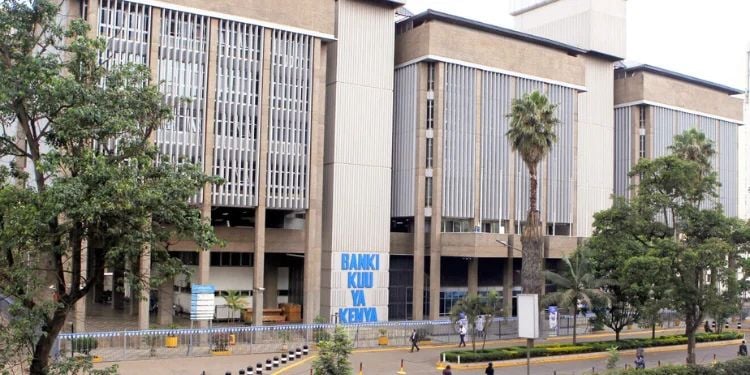
The Central Bank of Kenya (CBK) Market Survey has revealed that Kenya’s banking and non-bank private-sector firms expect higher hiring in 2026.
According to the survey released on February 19, the increase in employment is due to the planned business growth, sector expansion, and the need to upskill existing staff to manage higher workloads.
“New hires are expected to support planned business growth and expansion, as well as upskill and reskill the existing workforce to manage increased workloads,” the survey reads.
The January survey covered 36 commercial banks, 13 microfinance banks, and 178 non-bank firms across major towns, including Nairobi, Mombasa, Kisumu, Eldoret, Nakuru, Nyeri, Meru, and Kisii.
The survey has revealed that employers across multiple industries expect to hire more in 2026 than in 2025.
CBK Market Survey on Increase in Hiring
The January 2026 Market Perceptions Survey revealed that sectors expected to increase hiring include the following :
- Transport follows, where 25% confirmed definite hiring plans.
- Tourism recorded 16% of firms planning certain workforce expansion.
- Non-bank private firms showed 11% definite intent to recruit.
Also Read: Win for Kenyans as CBK Lowers Lending Rates by 25 Basis Points
Also, Other sectors may not have the highest “definite” hiring numbers, but they still show strong recruitment prospects.
- Manufacturing: The industry has a 61% probability of hiring.
- Agriculture: 57% chances of hiring.
- Trade: 50% probably hire.
- Construction: Expected to hire by 37%
CBK Market Survey on Economic Growth For 2026
Survey respondents reported a moderate to high demand for credit to support working capital and business economy expansion in 2026.
The Banks also anticipated the growth in private-sector lending under the Kenya Shilling Overnight Interbank Average (KESONIA) framework, expecting the Kenya Shilling to remain largely stable against the US Dollar in the near term.
“Lower lending rates and improved transmission under the KESONIA framework are expected to stimulate private sector credit growth in 2026,” read part of the report.
Additionally, the non-bank firms stated that credit demand will focus on financing working capital, operational costs, and growth projects.
Respondents also noted cautious borrower behavior and high interest rates as potential risks, stating that government investments in infrastructure, including roads, airports, and affordable housing, are likely to enhance productive capacity and stimulate economic activity.
How Business Has Grown Amid Risks
The survey revealed increased growth and confidence in Kenya’s economy over the next 12 months, resulting from low inflation, exchange rate stability, and a conducive environment.
Also Read: Banks Slash Loan Interest Rates After CBK Move
According to the survey, the hotel reported improved forward bookings for January to April 2026 compared to the same period last year, citing a shift from leisure to business tourism.
“Despite positive trends, risks such as competition from alternative accommodation, shorter booking timelines, and low purchasing power among residents were noted,” the survey stated.
To ensure continued growth in the business environment, the Respondents stated the need for a predictable tax policy, faster government settlement of pending bills, and the digitalization of judicial and land administration systems.
They noted that it would improve liquidity, reduce transaction costs, and strengthen business confidence.
Follow our WhatsApp Channel and X Account for real-time news updates.