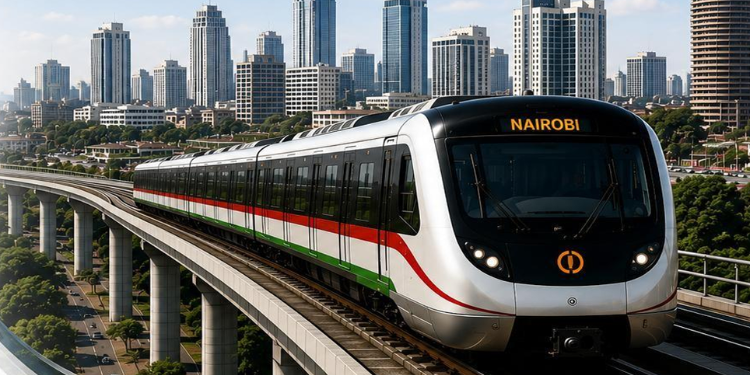
The Nairobi Mass Rapid Transit System (NMRTS) will combine underground, elevated, and surface rail sections into an integrated transport network serving Nairobi’s key corridors.
According to the blueprint, the underground railway will form the core section within the city centre, with twin-bore tunnels designed to accommodate high passenger volumes while reducing noise, vibration and the need for surface land.
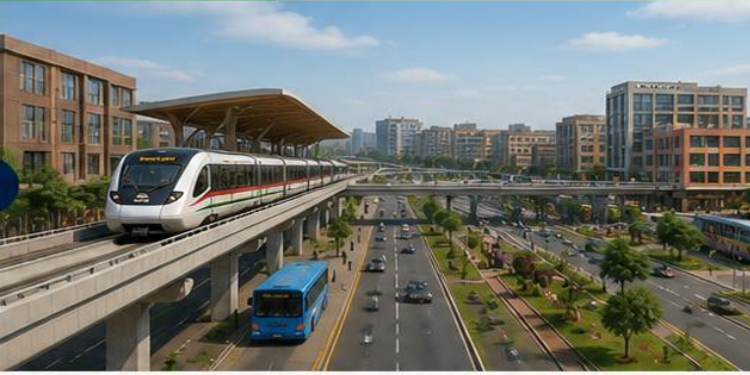
Elevated sections will serve areas such as Muthurwa and Jericho, with raised railway structures allowing trains to bypass traffic and reducing disruption to existing roads during construction.
Surface railway sections will be developed in areas including Embakasi, Umoja, and Kayole, where the network can integrate with existing streets and pedestrian facilities.
Stations will also be designed according to their locations and functions. Underground stations in the CBD will include stairs, escalators, and lifts, while interchange stations such as Muthurwa will connect the railway with Bus Rapid Transit (BRT), buses, and taxis.
Phase I Nairobi Mass Transit System to Include Underground Railway
Neighbourhood stations will provide street-level access and links to walking and cycling routes, while elevated stations will reduce the need for extensive land acquisition along the rail corridor.
The system is expected to use electric multiple units fitted with regenerative braking, allowing energy generated during braking to be recovered and reused.
A Communications-Based Train Control (CBTC) signalling system will be used to manage train movements and support higher service frequencies.
Overhead catenary lines and dedicated substations will provide electricity to the trains.
A central Command and Control Centre will oversee railway operations, supported by telecommunications systems, CCTV surveillance and real-time passenger information displays.
Safety features will include fire protection and evacuation systems, seismic-resistant designs and platform screen doors at underground stations.
The project will also incorporate lifts, escalators and tactile paving to improve accessibility for passengers with disabilities.
The project is expected to incorporate energy-efficient systems and green building standards to reduce the environmental impact of urban transport.
Also Read: Full Implementation Timeline for Nairobi Underground Railway Construction
Eight Key Components of the Railway
Beyond the underground, elevated and surface sections, Phase I of the Nairobi Mass Rapid Transit System will comprise eight main components designed to support the operation of the railway.
Rolling stock: The network will use high-capacity electric multiple units (EMUs) fitted with regenerative braking, allowing energy generated during braking to be recovered and reused.
Stations: Passenger stations will be designed to accommodate high volumes while supporting easy movement and transfers between different modes of transport.
Tracks: The railway will use high-quality rails, sleepers, and durable track structures designed for safe operation and reduced maintenance costs over the system’s lifespan.
Also Read: Nairobi Underground Railway to Feature 25 Stations Across Key Corridors Linking the CBD to Eastlands
Power supply: Electric trains will receive traction power through dedicated substations and overhead catenary lines to maintain a reliable supply across the network.
Signalling: A Communications-Based Train Control (CBTC) system will regulate train movements, allowing frequent services while maintaining safety and improving the use of available track capacity.
Depot: A dedicated operations and maintenance facility will handle train storage, servicing, inspections, and major repairs.
ICT systems: A central Command and Control Centre will coordinate operations, supported by telecommunications, CCTV surveillance and real-time passenger information systems.
Feeder systems: The railway will connect to local buses, Bus Rapid Transit (BRT) services, and walking and cycling infrastructure to improve first- and last-mile connectivity for passengers.
Follow our WhatsApp Channel and X Account for real-time news updates.