Kenyan government officials have been linked to recruitment networks accused of trafficking Kenyans abroad
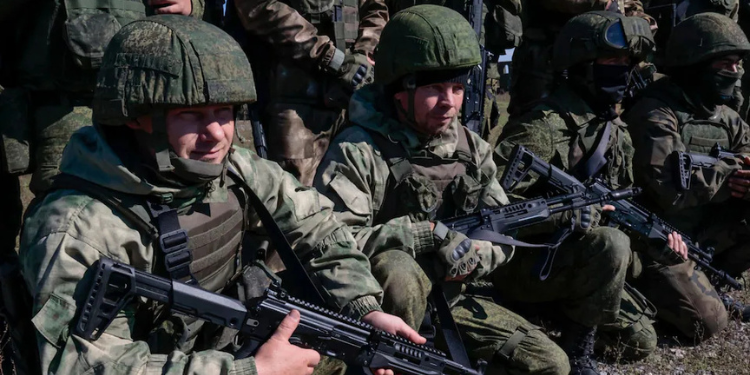
The 2026 Trafficking in Persons Report stated that Kenyan officials colluded with recruitment agencies and Russian government officials to facilitate the fraudulent recruitment of more than 1,000 Kenyan men to fight for the Russian military in the Russia-Ukraine war.
“The government did not report taking action against recruitment agencies reportedly owned by government employees that were allegedly complicit in facilitating trafficking crimes; lesser charges, such as failing to register a recruitment company, were frequently levied.
Officials reported that some Kenyan officials colluded with recruitment agencies and government officials from Russia to facilitate the fraudulent recruitment of more than 1,000 Kenyan men to fight for the Russian military in the Russia-Ukraine war,” read part of the report.
According to the report, observers alleged criminal syndicates worked with law enforcement and immigration officers at border checkpoints and airports to move trafficking victims into and within Kenya.
Labour Officials Exposed in Scheme Recruiting Kenyans
In a separate case, three Ministry of Labour officials were investigated for allegedly accepting bribes to facilitate potential trafficking crimes involving migrant workers travelling to the Middle East.
The report further noted that media reports indicated more than 10 percent of Kenyan government officials held ownership interests in private employment agencies, including firms recruiting workers for Saudi Arabia, raising concerns over potential conflicts of interest.
Meanwhile, some Kenyan embassy officials in Saudi Arabia were accused of demanding sex or cash from women seeking government assistance to escape abusive employers and return home.
According to the report, the government did not report taking action against recruitment agencies allegedly owned by government employees and linked to trafficking crimes. Instead, authorities frequently pursued lesser charges, including failure to register recruitment companies.
Civil society organizations also reported corruption in government programmes designed to prepare Kenyans for employment abroad.
Also Read: Mudavadi Reveals Number of Kenyans Killed or Detained in Middle East, Russia and Asia
What Kenya Did to Combat Trafficking
Kenya provided assistance to 483 human trafficking victims during the reporting period through partnerships with non-governmental organizations (NGOs), up from 321 victims in the previous period, according to the 2026 Trafficking in Persons Report.
Support included shelter, healthcare, counselling, legal services and repatriation assistance for victims exploited locally and abroad. However, access to specialized services remained limited, particularly for adult male victims and returning migrants who required urgent assistance.
One shelter dedicated to trafficking victims continued to operate under the Counter-Trafficking in Persons (CTiP) Secretariat.
Also Read: Kenyans in Russia Are Paid Up to Ksh3M Upon Joining Military and Ksh 350K Monthly
Funding shortfalls delayed plans to expand its capacity to accommodate up to 60 victims, despite initiation during the previous reporting period. Five additional NGO-run shelters were also available to assist victims.
Children, including potential trafficking victims, received support through five drop-in centres operated by the Department of Children’s Services in Garissa, Kakamega, Machakos, Nairobi and Thika.
For Kenyans exploited abroad, the government funded the voluntary repatriation of hundreds of trafficking victims, primarily from Southeast Asia. Civil society organizations, however, reported limited government support for victim services and growing demand for rapid assistance to returning migrants, including trafficking survivors.
Funding for direct victim support declined during the reporting period, with the government allocating Ksh9,271,395 (approximately $71,930) from the National Assistance Trust Fund for Victims of Trafficking.
This was down from Ksh20 million (approximately $155,220) in the previous year, even as the number of victims served through NGO partnerships increased.
Follow our WhatsApp Channel and X Account for real-time news updates.