
Kenya is moving to formally recognize skills acquired outside universities and colleges, to ensure they are recognized across Africa.
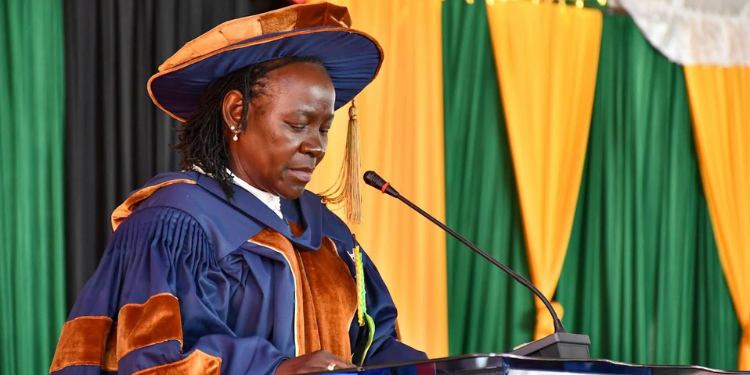
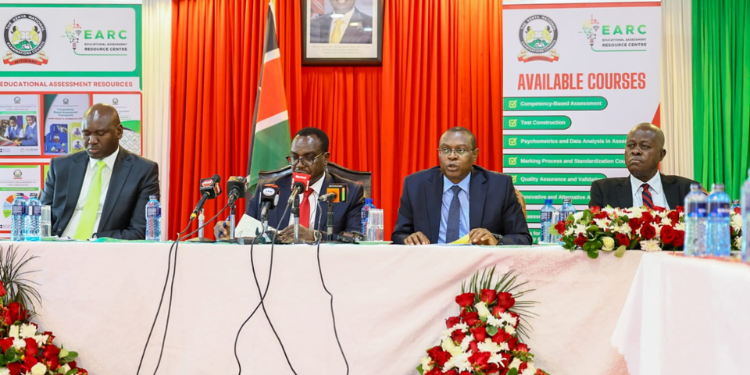
Addressing the media on May 14, the Principal Secretary for the State Department for Higher Education and Research, Beatrice Inyangala, said it is important to focus on the recognition of prior learning as an inclusive measure.
She noted that the initiative will enable stakeholders who have acquired skills informally or through non-formal training to be recognized and to make meaningful contributions to the country’s growth and development.
“It is very, very important to focus on the recognition for prior learning, which is an inclusive measure that will enable all our stakeholders who have acquired certificates informally and non-formally to be recognized and to make their meaningful contribution to the growth and development of our country,” she said.
Kenya to Recognize Skills Gained Outside Universities and Colleges
The approach will ensure that individuals who acquired skills informally or through non-formal training are formally assessed and certified, allowing their competencies to be recognized in both local and international labour markets.
Principal Secretary for the State Department of Technical and Vocational Education and Training (TVET), Esther Muoria, said that African countries should explore frameworks to recognize and align qualifications obtained, whether formally or informally, within a common system.
She noted that the planned framework would make it easier for individuals trained in countries such as Kenya, South Africa, or Australia to have their qualifications placed and recognized within an internationally accepted structure.
“Wherever you get your qualifications, the government aims to develop requisite frameworks that allow individuals from anywhere in the world to be placed within a recognized system. This framework, which is being discussed among African countries, is intended to ensure that whether qualifications are obtained formally or informally, they can be placed and recognized within a standardized qualification structure,” she said.
Also Read: How to Become a Professor in Kenya: Qualifications, Cost, and Salary
Plan to Introduce RPL Framework for Informal Skills Recognition
In 2023, Muoria said the government was set to begin recognizing informal skills through the implementation of the Recognition of Prior Learning (RPL) framework.
She explained that the initiative aimed to bridge the gap between formal educational qualifications and practical, hard-earned skills, while also promoting inclusivity.
She noted that many experienced individuals in communities, including plumbers, tailors, mechanics, technicians, and painters, lacked formal education despite doing excellent work, adding that the government was working to recognize these “unsung heroes and heroines” through RPL.
Also Read: Courts Rules on Mandatory Retirement Age for University Lecturers
Muoria further stated that under the programme, individuals with informal skills would be assessed and issued certificates in their respective areas of expertise, enabling them to access government tenders and employment opportunities locally, regionally, and globally.
She also indicated that certification through RPL would provide opportunities for further studies in their areas of specialization.
The Principal Secretary said that through the implementation of the Recognition of Prior Learning (RPL) in Kenya, individuals with informal skills would be assessed and awarded certificates in their respective areas of expertise, creating opportunities for them to access government tenders and employment locally, regionally, and globally.
She added that once certified under RPL, individuals would also have the opportunity to further their studies in their areas of specialization.