
Secondary school principals have rejected proposals to introduce a standard uniform for all schools in Kenya, arguing that such a move would undermine discipline, erase school identity, and create confusion in monitoring learners.
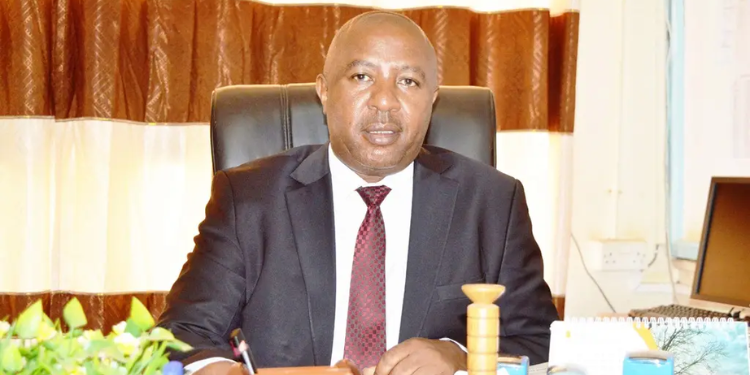
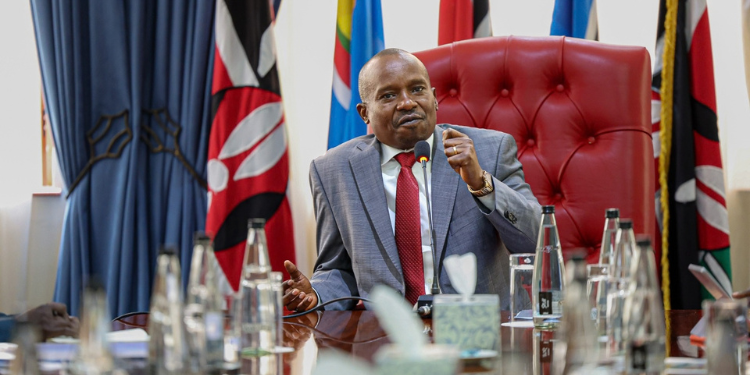
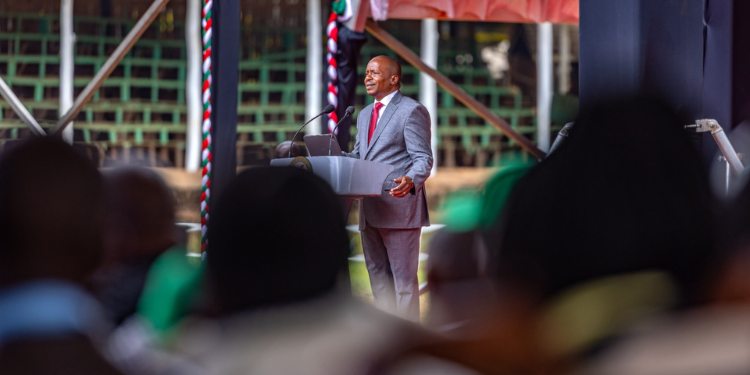
Speaking during the 49th Kenya Secondary School Heads Association (KESSHA) Annual Conference in Mombasa on Wednesday, June 24, KESSHA Chairperson Willie Kuria said school uniforms remain an important symbol of identity and heritage and should be retained.
Principals Reject Proposal to Have a Common Uniform for All Schools
Kuria warned that adopting a single uniform across all schools would make it difficult to identify learners and maintain discipline.
“You can hardly identify your students’ school. Suppose students from another school come and cause trouble, you will not know where they are from. Communities also help us by reporting students who roam the markets because they can identify them through their uniforms,” he said.
He further argued that school uniforms foster pride and preserve the traditions and reputation of learning institutions.
The KESSHA chair also noted that different regions of the country experience varying climatic conditions, making it impractical to adopt a single uniform design nationwide.
“In fact, many former students and leaders visit their former schools wearing the uniforms they wore years ago because they take pride in them,” the chairperson added.
“Some uniforms cannot be worn in hot areas while others are suitable for colder regions. Instead of introducing the same uniforms for all schools, it is better to make existing uniforms affordable.”
KESSHA Defends Cost of School Uniforms
In his speech on Wednesday, Kuria dismissed claims that school uniforms are excessively expensive, saying the figures often cited by parents include other requirements such as mattresses, blankets, beddings, pillows and physical education kits.
According to KESSHA’s research, the average cost of school uniforms in secondary schools stands at Ksh9,500 for boys and Ksh10,162 for girls.
“Sometimes there is misinformation that the uniform is extra expensive because what is called the uniform includes mattresses, blankets and other items. The uniform itself is not that expensive,” the chairperson said.
He explained that a full uniform package comprises several items, including pullovers, shirts or blouses, trousers or skirts, socks, sweaters, jumpers and blazers or fleece jackets.
Ruto Calls for Review of School Uniform Pricing
The debate over school uniforms has gained momentum in recent months, with President William Ruto raising concerns about the rising cost of school uniforms and questioning why some institutions were turning basic schoolwear into luxury fashion items beyond the reach of ordinary parents.
Speaking during the National Education Conference in Naivasha in May this year, Ruto said the government and stakeholders must have an honest conversation about the pricing of uniforms and how schools procure them amid growing complaints from parents over the financial burden associated with education.
“There is a big debate about uniforms and how much they cost. You know, we have all manner of suppliers working with schools,” the President said.
“Still you find some uniforms, I don’t know if they are Stefano Ricci or what because they are very expensive.”
The Head of State said there was a need for a structured discussion on how uniforms are sourced and supplied to schools to ensure costs remain affordable for families already struggling with the high cost of living.
“We need to agree on uniforms, how they are going to be procured and how we ensure they are cost-effective,” he said.
Also Read: Kenya Divided on CBC Grading with 45% Dissatisfied as Fees, Uniforms Plague Grade 10 Transition
Growing Complaints Over Costly School Uniforms
The remarks came at a time when many parents across the country have continued to complain about the high cost of school requirements, particularly uniforms purchased through designated school-linked suppliers.
In some institutions, parents are required to buy specific branded uniforms, sweaters, tracksuits and sportswear from approved outlets, with critics arguing the practice has turned uniforms into a commercial enterprise that locks out low-income households.
Education CS Julius Ogamba in April noted that concerns about the high cost of school uniforms were raised in the report of the Presidential Working Party on Education Reform, which found instances in which some school administrators allegedly colluded with suppliers to compel parents to buy uniforms from designated vendors.
Ogamba said the review aims to reduce the financial burden on parents, eliminate unnecessary variations in design and colour, and promote fairness, quality, and competition in supply.
It is also expected to consider key factors, including the need for standardization and the role of uniforms in preserving school identity and tradition.
Follow our WhatsApp Channel and X Account for real-time news updates.