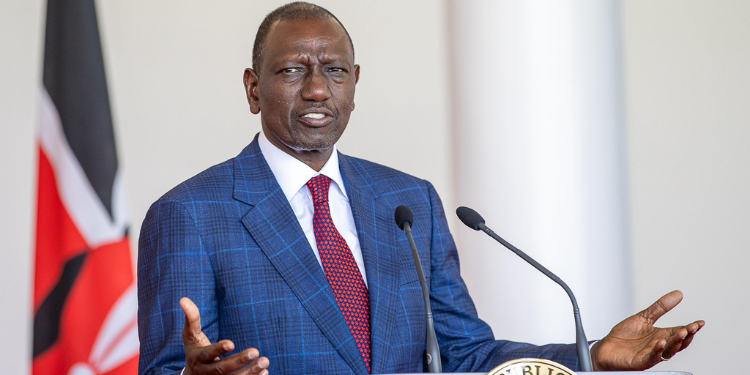
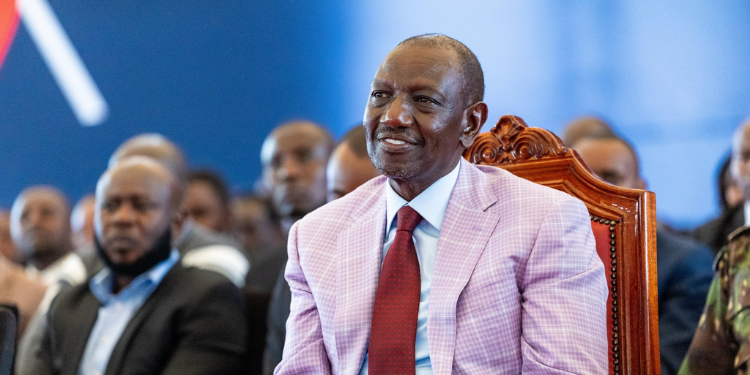
President William Ruto has defended the government’s new university funding model, comparing it to former President Mwai Kibaki’s introduction of free primary education.
Speaking at State House on July 23, Ruto said the government was seeking to entrench the funding model through the Higher Education Loans Board (Amendment) Bill, which is currently before Parliament.
According to the President, the proposed law will ensure that every student admitted to a university or Technical and Vocational Education and Training (TVET) institution receives full financial support to pursue their studies.
“There is currently legislation before Parliament, the Higher Education Loans Board (Amendment) Bill, which will enable us to ensure that every Kenyan child who earns a place in a TVET institution or a university will have access to funding,” he said.
Ruto Seeks Support for HELB Bill to Guarantee University Funding
Drawing a parallel with Kibaki’s landmark education reforms, Ruto said critics had similarly doubted the feasibility of free primary education when it was introduced.
The President urged Kenyans to support the reforms, saying they would expand access to higher education and ensure that no qualified student is left behind due to a lack of funding.
“When Kenya’s third President, Mwai Kibaki, announced free primary education, many people mocked him and said it could not be done. Today, I am saying that our children who join universities and other tertiary institutions will also have access to education,” he said.
Also Read: Ruto Announces Full Govt Funding for All University, College Students from September 2026
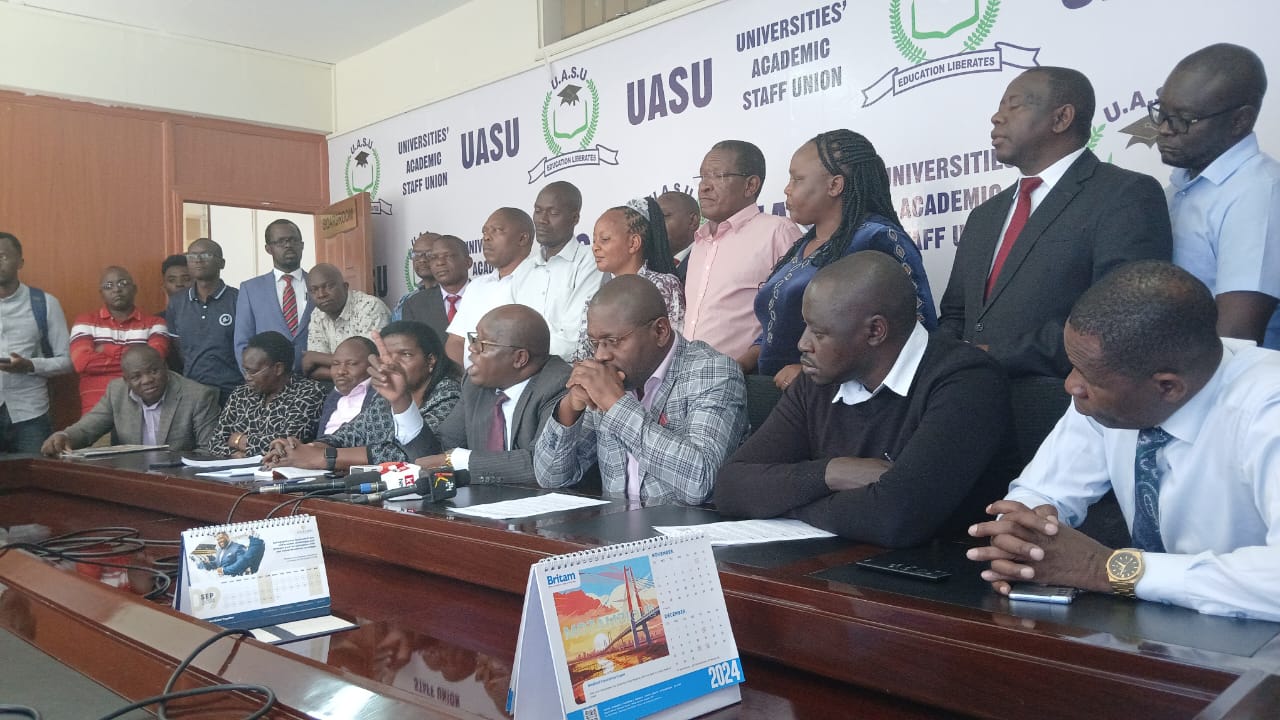
Ruto also justified the new higher education funding model, stating that universities were experiencing significant financial difficulties when his administration began in 2022.
The President maintained that education remains the government’s biggest equalizer, saying this informed increased investment in the sector.
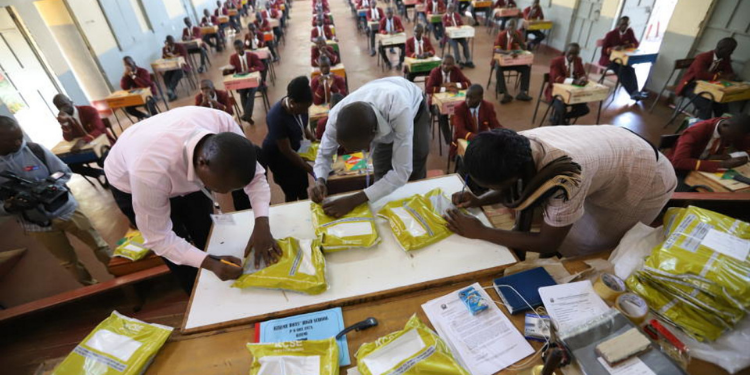
He said the education budget had risen from KSh500 billion in 2022 to KSh780 billion this year, enabling the government to recruit 100,000 teachers, build 23,000 classrooms, reform the Competency-Based Curriculum into the Competency-Based Education (CBE) system, and expand funding for universities and TVET institutions.
Also Read: KMTC Certificate and Diploma Courses Students Can Apply for After KUCCPS Reopens Portal
What Changes Were Made to the HELB 2022 Amendment Bill?
The Higher Education Loans Board (Amendment) Bill, 2022 sought to amend the Higher Education Loans Board Act, 1995 by preventing the Board from rejecting loan applications solely because a student is under the age of 18.
The Bill also proposed that students below the age of 18 who are granted HELB loans must have a parent or legal guardian co-sign the loan agreement to ensure its legal validity.
According to the Memorandum of Objects and Reasons, the Bill aimed to ensure that:
- Eligible students were not denied higher education funding because of their age.
- Students who entered university before attaining the age of 18 could access HELB loans on the same terms as other learners.
- Parents or guardians acted as co-signatories to safeguard the legality of the loan agreement.
Further, it stated that its enactment would not require additional public expenditure and does not affect county governments, as universities and other institutions of higher learning are a function of the national government.
Follow our WhatsApp Channel and X Account for real-time news updates.