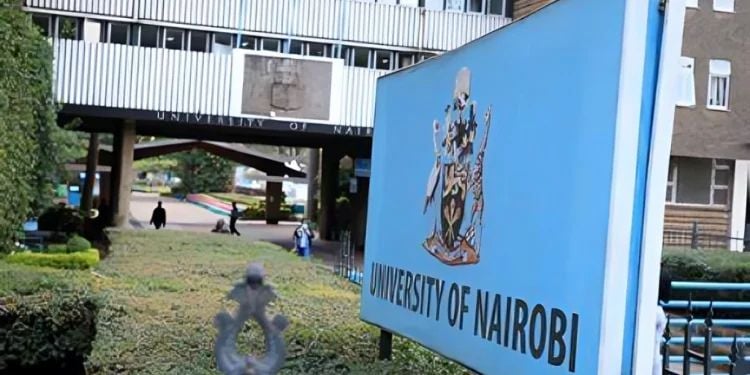
The University of Nairobi (UoN) has been given 14 days to provide documents explaining billions of shillings in unpaid pension contributions and statutory deductions.
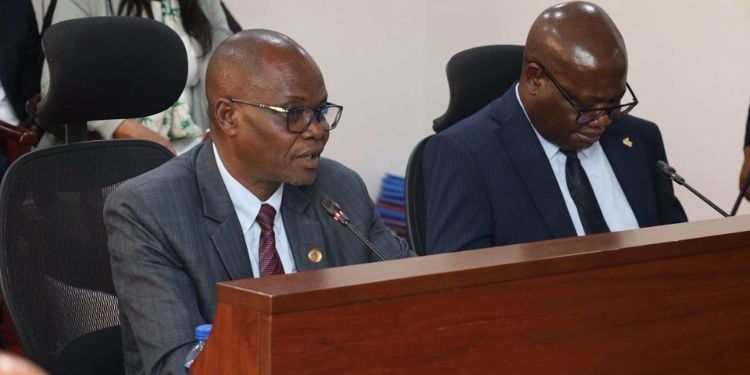
This directive was issued on Wednesday, October 28, during a review of Auditor-General reports covering the 2020/2021 to 2024/2025 financial years by the National Assembly Public Investments Committee on Governance and Education.
Chaired by Luanda MP Dick Maungu, the committee questioned Vice-Chancellor Prof. Eng. Ayub Njoroge Gitau and his management team on outstanding pension contributions, unpaid Pay As You Earn (PAYE) taxes, and proposed measures to address the growing liabilities.
Maungu said the university’s explanations lacked sufficient supporting evidence, making it difficult for the committee to establish the extent of the problem and assess the effectiveness of corrective measures.
“There’s nothing to support the good stories,” Maungu told the university officials, insisting that management provide documents showing what it had done to address the outstanding obligations.
MPs Question Billions in Unpaid Pension and Tax Deductions
Concerns arose after the Office of the Auditor-General reported that the University of Nairobi failed to remit approximately KSh1.4 billion in pension contributions and KSh50 million in PAYE during the 2021/2022 financial year alone.
The audit discussion also highlighted substantial accumulated balances from previous years, prompting MPs to question why management had not remitted deductions from employees’ salaries to the relevant institutions.
Kasipul MP Boyd Were questioned the management over unpaid PAYE, warning that penalties and interest could significantly increase the outstanding amount.
Lungalunga MP Chiforomodo Mangale also demanded an explanation for the accumulated pension and tax liabilities, questioning how the amount had reached billions of shillings.
“How did it happen that there was an accumulation of up to Sh5 billion?” asked Mangale.
He warned that the committee would not accept explanations without supporting documents.
“We are not here to sanitise issues. We need to get to the root of what happened,” Mangale said.
Central Imenti MP Moses Kirima called for a thorough examination of the liabilities, drawing parallels with concerns previously raised over financial irregularities at Moi University.
Kirima urged the committee to establish how the debts accumulated and whether weaknesses in the institution’s financial management had contributed to the situation.
University of Nairobi Explains Pension Recovery Plan
Prof. Gitau told MPs that the University of Nairobi had started paying pensions to retiring employees and had resumed remitting pension deductions in recent months.
Also Read: How Ayub Njoroge Gitau Spent 24 Years at UoN, Rising from Lecturer to Vice-Chancellor
He acknowledged that the institution still faces a deficit and said management is working with pension scheme trustees to develop a recovery plan.
The vice-chancellor disclosed that the University of Nairobi was exploring the possibility of using some of its land and other assets to help address the pension deficit, which he said had grown from about KSh5 billion to more than KSh10 billion.
He also revealed that the government still owed the university slightly more than KSh3 billion in outstanding funding and payments related to the Higher Education Loans Board.
According to the management, pending government payments had reduced from nearly KSh5 billion to just over KSh3 billion, although the remaining amount continued to place pressure on the institution’s finances.
Deputy Vice-Chancellor in charge of Finance, Planning and Development Prof. Josiah Omollo Aduda told the committee that the university had submitted a remedial payment plan to the Retirement Benefits Authority and was engaging the Kenya Revenue Authority over unpaid taxes.
Aduda said the University of Nairobi had met with the relevant agencies and was working to meet its statutory obligations.
However, MPs insisted that management produce correspondence, payment records and other documentation to substantiate its explanations and demonstrate progress in settling the outstanding liabilities.
University Cites Financial Pressures as MPs Set Deadline
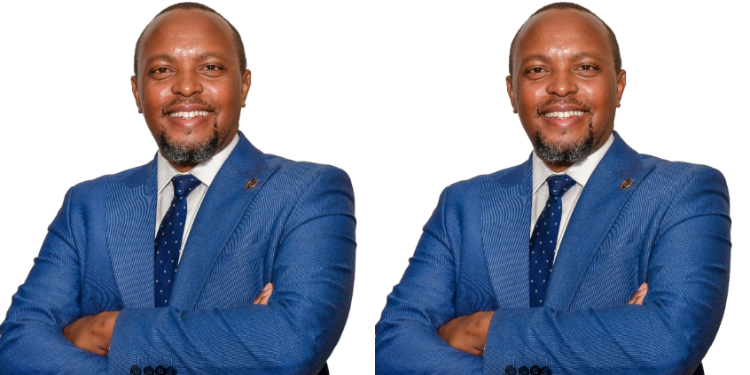
Acting Director of Finance Stephen Kimeli attributed the university’s financial difficulties to several factors, including the cost of collective bargaining agreements, reduced student numbers, changes in university funding and the effects of the Covid-19 pandemic.
Also Read: Who Is Ahmed Rashid Burrow Hajji? Meet UoN’s First Muslim Student President
He said the institution had undertaken reforms to reduce expenditure, including measures targeting personnel costs, post-retirement contracts and staff meal payments.
Kimeli added that the university was pursuing the commercialisation of its assets to generate additional revenue and had valued its property.
He said the university council had received the proposals for consideration.
Management also cited a staff strike as another challenge affecting the university’s day-to-day revenue.
Despite the explanations, Maungu directed the institution to submit the outstanding documents within two weeks. The committee said it needed to compare the university’s financial position over the years and verify the measures taken to resolve the liabilities.
Members will use the submitted documents alongside the Auditor-General’s findings to assess the university’s progress and determine whether the proposed interventions are producing tangible results.
Follow our WhatsApp Channel and X Account for real-time news updates and subscribe to our YouTube Channel for in-depth interviews.