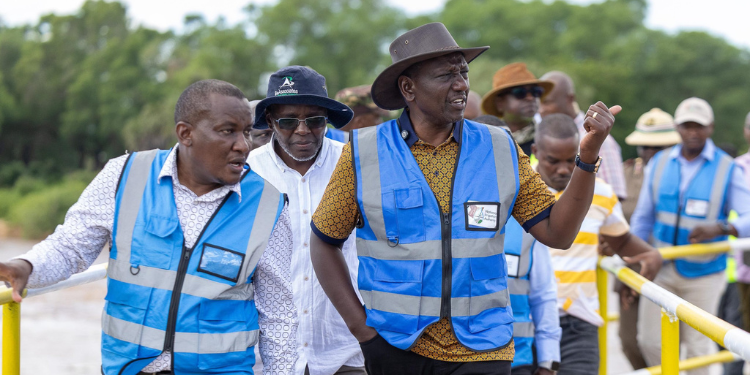
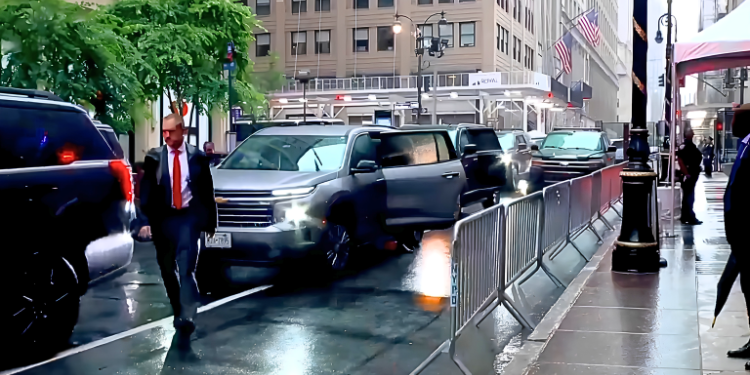
President William Ruto’s motorcade in New York is part of a security operation that sees hundreds of diplomatic convoys move through Manhattan during the United Nations General Assembly (UNGA) week.
The summit brings nearly 200 national delegations, about 100 heads of state, and hundreds of diplomatic motorcades to Manhattan under security arrangements coordinated by the U.S. Secret Service, the NYPD, and other agencies.
Who Owns the Vehicles?
Visiting delegations typically use vehicles hired from New York-based executive transport companies that provide cars and chauffeurs for diplomats, government officials and other VIP visitors during UNGA.
These firms operate fleets of luxury SUVs, sedans and executive vans throughout the summit period.
The vehicles used during UNGA are generally owned by:
- Executive chauffeur companies based in New York.
- Firms specializing in diplomatic and VIP transportation.
- Private contractors providing transport and logistics services to embassies and visiting delegations.
- Agencies supporting official security operations.
According to Detailed Drivers, a New York-based executive transportation company, heads of delegation and ambassadors prefer the Mercedes-Benz S-Class, which the company says offers executive rear seating, luxury fittings, and protocol-appropriate transport.
What Vehicles Are Commonly Used?
According to a UNGA transportation guide published by Detailed Drivers, diplomatic delegations attending the United Nations General Assembly commonly use a mix of luxury sedans, executive SUVs, and passenger vans depending on the rank of the official being transported
Also Read: Ruto Takes Dangote to UNGA to Sell $17 Billion Lamu Refinery
For heads of delegation and ambassadors, the preferred vehicle is the Mercedes-Benz S-Class.
The company describes it as a protocol-appropriate vehicle with executive rear seating and luxury amenities.
Detailed Drivers lists the S-Class at US$230 per hour during UNGA week.
For ministers and senior officials traveling with aides, the company recommends either a Mercedes-Benz S-Class or a Cadillac Escalade ESV.
The Escalade ESV, priced at US$150 per hour, is also used for senior staff groups and can accommodate up to six passengers and six bags.
Larger delegations typically use Mercedes-Benz Sprinter executive vans, which can carry 7 to 14 passengers.
The Sprinter is listed at US$240 per hour and allows delegations to move entire teams in a single vehicle.
The company also offers executive sedans for advance teams and logistics personnel at US$120 per hour, providing a lower-cost option for staff movements during the summit.
Vehicle Cost to Hire
| Role | Recommended vehicle | Rate | Why |
| Head of delegation / Ambassador | Mercedes-Benz S-Class | $230/hr (KSh 29,762/hr)
|
Protocol-appropriate first-class cabin; executive rear seats, Burmester sound, AIRMATIC suspension |
| Minister / Deputy Ambassador | Mercedes-Benz S-Class or Escalade | $230/hr S-Class (KSh 29,762/hr); $150/hr Escalade (KSh 19,410/hr) | S-Class for solo; Escalade if traveling with 2–3 staff members |
| Senior staff (3–6 pax) | Cadillac Escalade ESV | $150/hr (KSh 19,410/hr) | 6 passengers, 6 bags — group-appropriate VIP transport |
| Full delegation (7–14 pax) | Mercedes-Benz Sprinter Van | $240/hr (KSh 31,056/hr) | Keeps team together through UNGA traffic; replaces 3–4 sedans |
| Advance team/logistics | Executive Sedan | $120/hr (KSh 15,528/hr) | Cost-effective for solo staff movements and venue scouting |
| Media/press team | Sprinter Van or Escalade | $240/hr Sprinter (KSh 31,056/hr); $150/hr Escalade (KSh 19,410/hr) | Equipment capacity; repeated trips through closure zone |
Who Drives the Vehicles?
The drivers assigned to diplomatic vehicles during the United Nations General Assembly are typically professional chauffeurs employed by executive transportation companies serving foreign delegations, diplomats, and VIP visitors in New York.
These chauffeurs are trained to operate in a high-security environment where road closures, restricted zones and last-minute route changes are common.
During UNGA week, drivers work closely with dispatch teams that monitor traffic conditions, security restrictions and motorcade movements across Manhattan.
Many executive transport firms also advertise protocol-trained chauffeurs and confidentiality agreements as part of their diplomatic transportation services.
The role of the chauffeur extends beyond driving.
Also Read: Museveni Names Mystery Kenyan Senator, Makes U-Turn on Ruto
Drivers maintain schedules, coordinate pick-ups and drop-offs around security perimeters, and ensure officials reach meetings, hotels, and airports despite extensive traffic restrictions imposed during the summit.
Challenges of Moving Diplomats During UNGA
The security perimeter around the United Nations headquarters is one of the biggest transport challenges during UNGA.
First Avenue and surrounding streets face security restrictions, forcing transport operators to work around designated pick-up and drop-off points.
Rolling road closures triggered by diplomatic motorcades can affect traffic across Manhattan, requiring transport operators to adjust routes throughout the day.
Hotels hosting foreign delegations often impose additional security measures, including restricted curb access, vehicle screening requirements, and designated staging areas.
Airport operations also become more complicated during the summit. JFK, LaGuardia, Newark, Teterboro and Westchester County Airport experience increased traffic as heads of state, diplomats and support teams arrive and depart.
Transport operators monitor traffic conditions, security restrictions, and route availability in real time, adjusting schedules as road closures and motorcade movements occur.
Follow our WhatsApp Channel and X Account for real-time news updates.