Iran rebuked President Donald Trump on Wednesday, July 8, after he described Iranian leaders as “scum” and “evil” during the NATO summit in Ankara.
Trump made the remarks while defending his administration’s approach toward Iran, saying it was difficult to negotiate with Iranian leaders because “they are liars.”
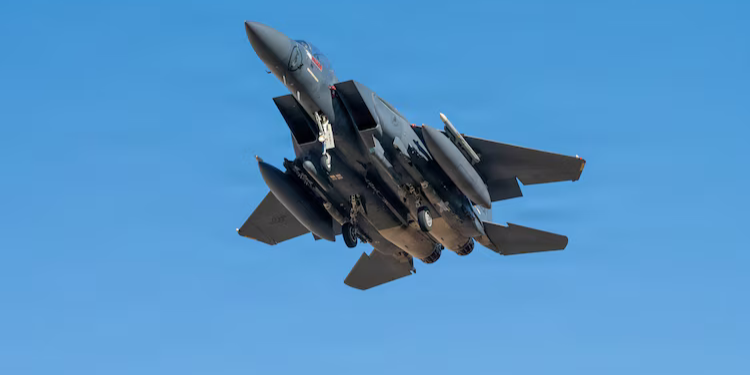
The comments came as the United States continues military and diplomatic initiatives following Iranian attacks on commercial vessels in the Strait of Hormuz.
Iran Rejects Trump’s Remarks as Insult to the Nation
Iranian Foreign Minister Seyed Abbas Araghchi responded on social media, saying Trump’s language did not diminish Iran or its people.
“Addressing the Civilized and Courageous Nation of Iran with derogatory language does not diminish its Greatness,” Araghchi wrote on X.
“Iranians are known for their civility, culture, and strong moral values. We do not answer vulgarity with vulgarity, but with action: fearlessly and with great valor.”
Araghchi posted his response as a defense of the Iranian people rather than the country’s leadership, emphasizing Iran’s history, culture, and national identity.
His statement marked Tehran’s first official response to Trump’s latest comments during the NATO summit.
Iran Says It Will Answer With Action, Not Insults
Araghchi’s post suggested Iran would respond through policy and action rather than engaging in personal attacks.
The foreign minister did not specify what actions Iran could take but said the country would not mirror what he described as vulgar rhetoric.
His remarks came as diplomatic relations between Tehran and Washington remain strained despite recent Memorandums of Understanding the two nations signed, which were meant to halt direct military confrontation for at least 60 days to pave the path for further negotiations on key matters like Iran’s nuclear ambitions.
Another senior Iranian official also accused Washington of abandoning diplomacy.
Also Read: US Launches ‘Powerful’ Strikes on Iran After Attacks on Ships in Strait of Hormuz
Deputy Foreign Minister Kazem Gharibabadi said Trump’s latest statements reflected weakness rather than strength.
According to Gharibabadi, years of sanctions, pressure and military threats had failed to force Iran to change its policies.
He argued that Washington’s continued reliance on insults and threats demonstrated that its long-running strategy had not succeeded.
“The criminal and murderous Trump must be spoken to in his own language; apparently, he understands the language of force best,” Gharibabadi said.
Iran Accuses U.S. of Violating Strait of Hormuz Agreement
Foreign Ministry spokesperson Esmaeil Baghaei separately accused the United States of violating a memorandum of understanding governing maritime security in the Strait of Hormuz.
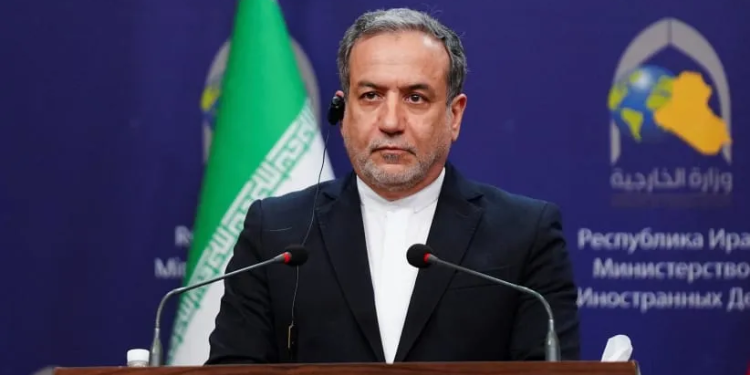
Baghaei said the agreement had never been based on trust but instead on reciprocal commitments.
He argued that recent U.S. military operations against Iranian targets had undermined the framework of the agreement. The U.S. said it struck Iran after Tehran targeted commercial ships in the Strait of Hormuz.
Dispute Expands Beyond Diplomatic Rhetoric
Baghaei also said Washington had challenged Iran’s role in determining arrangements for safe navigation through the Strait of Hormuz.
According to him, U.S. military actions directly contradicted the agreement’s provisions concerning maritime security.
“The Islamic Republic of Iran will resolutely pursue the protection of its national interests and the exercise of its sovereignty,” Baghaei said.
Also Read: Trump to Lose Nearly $5.8 Million After Judge Orders Payment to E. Jean Carroll in Assault Case
The Strait of Hormuz has become one of the main flashpoints between Iran and the United States after repeated attacks on commercial shipping and subsequent American airstrikes on Iranian military infrastructure.
Those strikes targeted air-defense systems, anti-ship missile sites and other military facilities after Iran attacked commercial vessels earlier this week.
The military escalation prompted renewed concerns about regional peace and global energy supplies because roughly one-fifth of the world’s oil passes through the strategic waterway.
War of Words Follows Military Escalation
Trump’s comments at the NATO summit came as his administration defended recent military operations while also insisting it remains open to negotiations with Tehran.
U.S. officials have repeatedly said Iran must return to talks while ending attacks on international shipping.
Iran, however, has argued that Washington’s military actions undermine any possibility of trust.
Despite the increasingly hostile rhetoric, diplomatic contacts between the two countries have not been formally abandoned.
Both governments have indicated they remain interested in negotiations, though each continues to accuse the other of violating previous commitments.