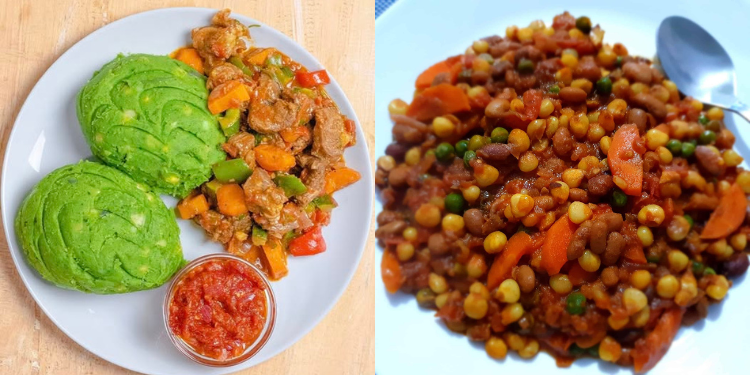
If you are looking to lose weight, several Kenyan foods can fit into a healthy eating pattern when you consider portions and preparation methods.
Kenya’s National Guidelines for Healthy Diets and Physical Activity, developed by the Ministry of Health, recommend eating a variety of foods from different food groups, including whole or unprocessed starchy foods, vegetables, fruits, legumes, fish, lean meat, poultry, and eggs. The guidelines also advise using oil and fat in moderation and limiting sugar and salt.
Here are 15 familiar Kenyan-style meal combinations that can form part of a balanced diet:
- Tilapia, Sukuma Wiki and Ugali
A plate of grilled or lightly cooked tilapia, sukuma wiki and a moderate portion of ugali can provide protein, vegetables and carbohydrates.
The Ministry of Health recommends fish and other lean protein sources as part of a varied diet. Whole or unprocessed starchy foods can also be part of meals.
- Bean Stew and Managu
Beans served with managu combine legumes and vegetables.
Kenya’s dietary guidelines include beans among the legumes it recommends for eating regularly.
- Ndengu and Mixed Vegetables
Green grams (ndengu) with mixed vegetables are another familiar option.
Ndengu provides plant protein, while vegetables add fiber and other nutrients to the meal.
- Githeri With Vegetables
A serving of githeri with plenty of vegetables provides legumes and a starchy food in the same meal.
- Skinless Chicken and Vegetables
Skinless chicken with steamed or lightly cooked vegetables provides a protein-rich meal without requiring a complicated recipe.
The Ministry of Health guidelines list poultry among the recommended sources of protein.
- Lean Beef Stew and Sukuma Wiki
For people who enjoy beef, lean beef stew with sukuma wiki can also fit into a balanced eating pattern.
The emphasis should be on a reasonable portion of meat and plenty of vegetables rather than a plate dominated by meat.
Also Read: Top 10 Street Food Dominating Kenya in 2026
- Boiled Eggs and Sweet Potatoes
Boiled eggs with sweet potatoes can make a simple breakfast or light meal.
Kenya’s dietary guidelines include eggs among the sources of protein that can form part of a varied diet, while sweet potatoes are among the country’s commonly consumed starchy foods.
- Arrowroots and Boiled Eggs
Arrowroots with boiled eggs offer another familiar Kenyan breakfast combination.
Instead of adding large amounts of sugar or fat, you can accompany the meal with unsweetened tea or water.
- Millet Porridge and Plain Yogurt
Millet porridge with plain yogurt and fresh fruit combines cereals, dairy, and fruit.
If the porridge is sweetened heavily, however, the added sugar increases the overall calorie content. Kenya’s guidelines recommend using sugar sparingly.
- Sorghum Porridge and Eggs
Sorghum porridge with boiled eggs provides another locally familiar breakfast option.
Sorghum is among the whole or minimally processed starchy foods included in Kenya’s dietary guidance.
- Fish, Spinach and Sweet Potatoes
Fish served with spinach and a moderate portion of sweet potatoes brings together protein, vegetables and a starchy food.
The combination also shows that a weight-management diet does not require eliminating carbohydrates altogether.
- Chicken and Vegetable Soup
A chicken and vegetable soup can provide protein and vegetables while allowing someone to limit the amount of added fat used during preparation.
- Beans, Kunde and Ugali
Bean stew with kunde and a moderate serving of ugali combines a Kenyan staple with legumes and vegetables.
The portion of ugali can be adjusted depending on an individual’s nutritional needs and overall diet.
- Ndengu, Terere and Brown Rice
Green grams with terere and a moderate serving of brown rice provide legumes, vegetables and a whole-grain carbohydrate.
The focus should remain on the overall balance of the plate rather than treating brown rice as a special “weight-loss” food.
- Plain Yoghurt and Fresh Fruit
Plain yogurt paired with pawpaw, oranges, or watermelon offers a light, healthy breakfast or snack option, providing dairy and fruit without the added sugar found in sweetened yogurt products.
Kenya’s dietary guidelines recommend fresh milk, fermented milk or yoghurt daily and encourage regular consumption of fruits and vegetables.
Kenyan Nutritionists Stress Balance Over Restrictive Diets
The idea that people must completely abandon traditional foods to lose weight is not supported by Kenya’s national dietary guidance.
Kenya’s guidelines recommend variety, including vegetables and fruits every day, regular consumption of legumes, and regular inclusion of fish, lean meat, poultry, or eggs. They also recommend using fats and oils in moderation and sugar sparingly.
Kenyan nutrition professionals have similarly highlighted the importance of a balanced diet rather than extreme restrictions.
Consultant nutritionist Kepha Nyanumba says traditional foods, including sorghum ugali, beans, sukuma wiki, arrowroots, and sweet potatoes, support balanced eating.
“Balanced meals are safer and more sustainable. Traditional staples like sorghum ugali, beans, sukuma wiki, arrowroots, and sweet potatoes can keep sugars steady without relying on expensive or restrictive diets,” says Nyanumba.
Also Read: Best Budget-Friendly Kenyan Meals to Cook at Home for Under KSh 500
Even nutritious food can contribute to excess calorie intake when eaten in very large portions.
That is why the same Kenyan meal can look very different depending on how much ugali, rice, potatoes, meat, oil, or other ingredients you put on the plate.
Nutrition consultant Lucy Muli advises against eliminating carbohydrates and instead emphasizes controlled amounts based on individual needs.
“Don’t avoid carbohydrates entirely, but eat them in controlled amounts according to individual needs,” stated Muli.
How You Prepare the Food Also Matters
A meal of vegetables cooked with a large amount of oil will have a different calorie content from vegetables prepared using a smaller amount of oil.
Kenya’s national guidelines specifically advise people to use oil and fat in moderation and limit solid fats.
This means you can often prepare familiar foods differently without removing them from the menu.
For example, grilled tilapia can replace deep-fried fish, while boiled or roasted sweet potatoes can replace versions prepared with added fat.
Fresh fruits such as pawpaw, oranges and watermelon can also be included.
Kenya’s dietary guidelines recommend eating fruits every day alongside green leafy and other vegetables.
Nutrition consultant Kesha Nyanumba has also highlighted the role of fiber in whole fruits, particularly when compared with fruit juice.
“When it comes to nutrition, each option has its pros and cons. However, whole fruits are particularly rich in fiber, which aids digestion, stabilizes blood sugar and supports weight management.”
For someone trying to reduce calorie intake, whole fruit can therefore be a more useful everyday choice than regularly consuming sugary fruit drinks.
Exercise Is Part of the Picture
Kenya launched its first National Physical Activity Guidelines in June, with the Ministry of Health saying the guidelines provide evidence-based recommendations for different population groups and aim to promote healthier lifestyles and reduce the burden of non-communicable diseases.
Activities such as walking, cycling, jogging and strength exercises can therefore complement changes in eating habits.
The Ministry of Health has also warned that Kenya is facing a growing burden of overweight, obesity and diet-related non-communicable diseases, alongside undernutrition and micronutrient deficiencies.
If you are trying to manage your weight, the answer does not necessarily lie in expensive “diet foods” or eliminating familiar meals.
Beans, ndengu, sukuma wiki, managu, kunde, fish, eggs, sweet potatoes, arrowroots, millet, sorghum and other local foods can all have a place in a balanced diet.
The bigger considerations are portion size, preparation method, variety, and the overall balance of the diet.
People with medical conditions, those taking medication, or anyone who needs a personalized weight-management plan should seek advice from a qualified nutritionist, dietitian, or healthcare professional.
Follow our WhatsApp Channel and X Account for real-time news updates.