
Tuesday, June 2, 2026
  • News
    • Latest News
    • Breaking News
    • Fact Check
    • Investigations
    • Explainers
  • Politics
    • Global Politics
    • Elections
    • Government & Policy
    • Diplomacy
    • Conflicts & Security
    • Political Analysis
  • Business
    • Global Economy
    • Markets
    • Technology
    • Startups
    • Energy
    • Finance
  • World News
    • Americas
    • Asia
    • Asia Pacific
    • Africa
    • Europe
    • Middle East
  • Africa
    • Central Africa
    • East Africa
    • West Africa
    • Southern Africa
  • Health
    • Global Health
    • Public Health
    • Health Policy
    • Medical Research
    • Diseases & Conditions
    • Mental Health
    • Nutrition
    • Climate & Health
    • Health Explainers
  • Sports
    • Athletics
    • Basketball
    • Boxing
    • Cricket
    • Football
    • Formula 1
    • Golf
    • Rugby
  • Weather
    • Climate Business
    • Climate Change
    • Climate Solutions
    • Living Green
  • Culture
    • Arts
    • Film & TV
    • Food
    • Music
    • Lifestyle
    • Travel
  • Opinion
    • Editorials
    • Letters
  • Behind The Brand
REGISTER
LOGIN
No Result
View All Result
The Kenya Times
  • News
    • Latest News
    • Breaking News
    • Fact Check
    • Investigations
    • Explainers
  • Politics
    • Global Politics
    • Elections
    • Government & Policy
    • Diplomacy
    • Conflicts & Security
    • Political Analysis
  • Business
    • Global Economy
    • Markets
    • Technology
    • Startups
    • Energy
    • Finance
  • World News
    • Americas
    • Asia
    • Asia Pacific
    • Africa
    • Europe
    • Middle East
  • Africa
    • Central Africa
    • East Africa
    • West Africa
    • Southern Africa
  • Health
    • Global Health
    • Public Health
    • Health Policy
    • Medical Research
    • Diseases & Conditions
    • Mental Health
    • Nutrition
    • Climate & Health
    • Health Explainers
  • Sports
    • Athletics
    • Basketball
    • Boxing
    • Cricket
    • Football
    • Formula 1
    • Golf
    • Rugby
  • Weather
    • Climate Business
    • Climate Change
    • Climate Solutions
    • Living Green
  • Culture
    • Arts
    • Film & TV
    • Food
    • Music
    • Lifestyle
    • Travel
  • Opinion
    • Editorials
    • Letters
  • Behind The Brand
  • News
    • Latest News
    • Breaking News
    • Fact Check
    • Investigations
    • Explainers
  • Politics
    • Global Politics
    • Elections
    • Government & Policy
    • Diplomacy
    • Conflicts & Security
    • Political Analysis
  • Business
    • Global Economy
    • Markets
    • Technology
    • Startups
    • Energy
    • Finance
  • World News
    • Americas
    • Asia
    • Asia Pacific
    • Africa
    • Europe
    • Middle East
  • Africa
    • Central Africa
    • East Africa
    • West Africa
    • Southern Africa
  • Health
    • Global Health
    • Public Health
    • Health Policy
    • Medical Research
    • Diseases & Conditions
    • Mental Health
    • Nutrition
    • Climate & Health
    • Health Explainers
  • Sports
    • Athletics
    • Basketball
    • Boxing
    • Cricket
    • Football
    • Formula 1
    • Golf
    • Rugby
  • Weather
    • Climate Business
    • Climate Change
    • Climate Solutions
    • Living Green
  • Culture
    • Arts
    • Film & TV
    • Food
    • Music
    • Lifestyle
    • Travel
  • Opinion
    • Editorials
    • Letters
  • Behind The Brand
No Result
View All Result
The Kenya Times ~ Trending, Breaking News and Videos
No Result
View All Result
ADVERTISEMENT

Abortion in Kenya and Benin: Medical Safety isn’t enough – women and girls need to feel safe socially too

Ramatou OuedraogobyRamatou Ouedraogo
October 1, 2022
Reading Time: 7 mins read
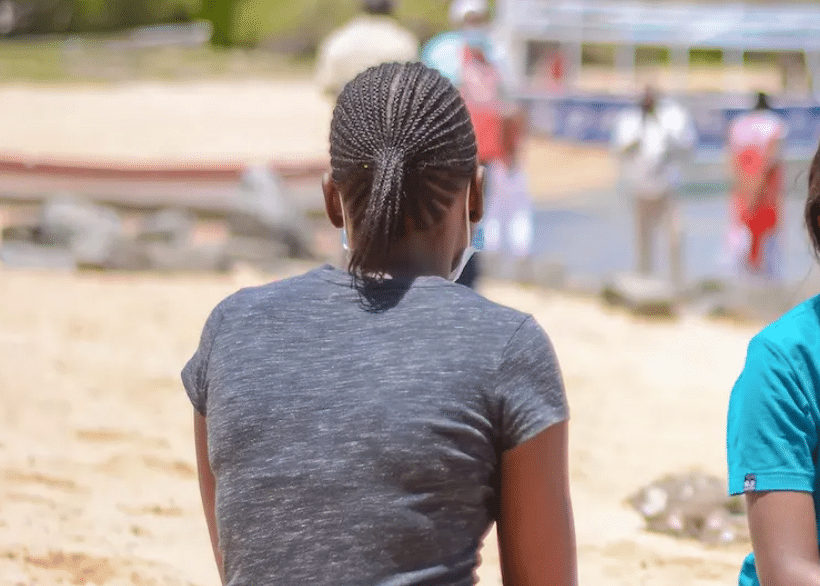
Social Safety Is Only Attained When The Abortion Is Achieved Discreetly | Photo Courtesy

Social safety is only attained when the abortion is achieved discreetly | Photo Courtesy

FacebookTwitterLinkedInRedditWhatsApp
Advertisement

Safe abortion and post abortion care are essential health services. But until the publication of the 2022 World Health Organization (WHO) abortion care guidelines there was a narrow definition of abortion safety. In previous WHO guidelines, medical safety was the guiding principle of safe abortion.

Safety, according to the WHO, referred to abortion carried out using the recommended methods, by a person with the necessary skills or in an environment that conformed to minimal medical standards, or both.

However, research shows that many girls and young women do not search for medical safety when seeking abortion care.

They prioritize “social safety”. This is the case regardless of whether they live in settings with restrictive or more liberal laws. Women’s priority is avoiding prosecution and social stigma.

Their need for secrecy is one of the reasons why women and girls continue to use unsafe methods for abortion.

The latest WHO guidelines have a more holistic approach.

ADVERTISEMENT

They move beyond the focus on medical safety towards promoting quality abortion care. These guidelines respect the right to non-discrimination and equal access to abortion services. But will this shift make a difference for girls and young women in rural areas or countries with restrictive abortion laws, where social safety remains a must?

Social safety goes beyond physical health. It includes women’s emotional and economic well-being, social status, reputation, and relationships. In the context of abortion, it means being able to find an affordable provider, conceal the abortion and be protected from law enforcers.

We conducted a study in Kenya and Benin to find out more about what makes girls and young women feel safe (or unsafe) when they want an abortion. In both study locations, the rate of unintended pregnancies and medically unsafe abortions is high. And abortion is socially frowned upon.

The study found that in these settings, social safety is only attained when the abortion is achieved discreetly.

Social safety

We carried out a six-month study in urban and rural settings in Kilifi County (Kenya) and Atlantique Department (Benin). We observed girls and young women recruited from health facilities and the surrounding communities. We also conducted informal and in-depth interviews.

ADVERTISEMENT

Our study documented that women were aware of safe abortion methods such as medical abortion drugs and surgical abortion in health facilities.

But for women and girls who wanted an abortion, health facilities were not the first choice. This was because privacy was not guaranteed. The care was offered in the maternity or casualty ward, with no private spaces for the procedures.

Also, women and girls feared being reported by providers or bumping into their neighbors at the facility. They also faced emotional or physical abuse from judgmental healthcare providers.

Instead, the girls and women in our study would start their abortion process by trying alternative methods that were locally available, inexpensive, and used to treat other ailments.

These include plant-based concoctions, and high dosages of anti-malaria drugs, pain killers or antibiotics. This concealed their abortion – but only temporarily. Most of the cases would progress to complications needing urgent treatment or even resulting in death.

In Benin, a study showed that close to half of the cases of women treated for post-abortion care were related to unsafe abortion complications. In Kenya, close to 30% of induced abortion ended in complications treated in health facilities.

Where the understanding of safety among abortion seekers conflicts with the public health definition, the solution can in some contexts be found in self-care.

Self-care for social safety

In recent years, and especially since the COVID-19 pandemic, the idea of self-care has come to the fore in public health.

The WHO defines self-care as:

the ability of individuals, families, and communities to promote health, prevent disease, maintain health, and to cope with illness and disability with or without the support of a healthcare provider.

Self-care for abortion includes being able to manage abortion on one’s own as much as one wants to. It includes obtaining access to information and medical abortion pills without prescription. It also involves the use of digital platforms to support access to and use of abortion pills.

Research has shown a self-care success rate of more than 93% in liberalized and high-income countries.

Abortion self-care allows women and girls to be more discreet about obtaining an abortion and enhances their autonomy and control. In theory, then, self-care for abortion could offer social safety.

It allows for discretion, and could avoid the interaction with unsympathetic providers, or the lack of privacy and risk of arrest in health settings.

In practice, however, it is very hard to imagine how it would reach poor and less educated women and girls who might not have their own mobile phone, let alone a smartphone or the internet or the money to make use of these devices.

Inequalities in digital access, gender, social class, and literacy stand in the way of abortion self-care access for many poor girls and women. For them, abortion self-care is not yet the solution.

Social safety around abortion might only be obtained through home-based abortion methods that may cause severe complications. Therefore, work on increasing the accessibility to safe abortion needs to continue.

One route is through investing in user-centered discreet abortion services, for example through health intermediaries. But there remains a need for addressing provider bias, community attitudes, and making law enforcers and authorities understand the existing laws better and improving them where needed.

Our study findings showed that partners, relatives, and community champions can also be intermediaries.

Therefore, another avenue could be gender transformative interventions. These would involve male partners and other relatives in abortion self-care interventions. Men are often involved in pathways to abortion and often have better digital technology access. Provided they are well informed, they can support women in search of self-care.The Conversation

Ramatou Ouedraogo, Associate Research Scientist, African Population and Health Research Center and Grace Kimemia, Research officer, African Population and Health Research Center

This article is republished from The Conversation under a Creative Commons license. Read the original article.

Tags: AbortionAbortion LawsBeninKenyaPublic healthRoe v WadeUnsafe AbortionsWomen and GirlsWomen's Health
Ramatou Ouedraogo

Ramatou Ouedraogo

Ramatou works under the Population Dynamics and Sexual and Reproductive Health and Rights (PDRH) unit on two projects: Quality post-abortion care services in Burkina Faso, Kenya, and Nigeria, and the In Their Hands Evaluation Project in Kenya. She holds a PhD in Social Anthropology from the University of Bordeaux (France), and a master's degree in Sociology from the University of Ouagadougou (Burkina Faso). Before joining APHRC, she served as a post-doctoral fellow at the Fondation Maison Sciences de l’Homme (FMSH) and as a Project coordinator at the Institut National de la Santé et de la Recherche Médicale (INSERM) both in Paris (France).

Related Posts

Moe Has Vowed To Take Action Against Utumishi Girls School Principal Over School Fire That Killed 16 Learners.

Opinion | How Kenya Failed the Girls of Utumishi Academy

June 2, 2026
The Temporary Closure Of Lenana Schools Comes Days After Multiple Schools Closed Due To Student Unrest And Fire Outbreak Incidences.

Lenana School Suspends Learning After Student Unrest

June 2, 2026
Maurice Ogeta Reveals Raila’s Last Moments In India

Maurice Ogeta Finally Reveals Raila’s Last Moments and How He Died 

June 2, 2026
Ruto Details Kenya-Us Health Partnership Behind Laikipia Air Base Approval

Ruto Explains Why He Allowed US to Have Ebola Quarantine at Laikipia Air Base

June 2, 2026
ADVERTISEMENT

The Kenya Times Facebook

LATEST ARTICLES

  • Opinion | How Kenya Failed the Girls of Utumishi Academy
  • Lenana School Suspends Learning After Student Unrest
  • Maurice Ogeta Finally Reveals Raila’s Last Moments and How He Died 
  • Ruto Explains Why He Allowed US to Have Ebola Quarantine at Laikipia Air Base
  • Opinion | The Mother Who Hates Her Own Children: Kenya’s Moral Collapse
  • Bolt Sets the Record Straight on Reports of Shutting Down in Kenya
  • Ex-Catholic Priest Arrested Over Calls to Overthrow Ruto
  • Nairobi Mentioned as Trump Cut Number of Embassies in Africa
  • Why Transgender Troops Can Now Serve in the U.S. Military
  • “I Couldn’t Care Less” Trump Responds After Iran Ends Talks With US
  • Jill Biden Reveals Regret Over Joe Biden’s 2024 Run in New Interview
  • Stars Abroad: Moses Shumah, Kenyan Striker Breaking Records in Zambia
  • Doctors Question Transparency of Trump’s Heart Test Results
  • Corazone Aquino: Kenyan Star Named After Philippines’ Former President
  • KMA Reveals How to Know Licensed Doctors After Deadly Kitale Surgery
ADVERTISEMENT

Company

About Us

Our Authors

Our Experts

Social Media

Policies

Privacy Policy

House Rules

Standards and Policies

Terms and Conditions

Subscription

My Account

Contact Us

Contact Us

Join Our Team

Advertise With Us

© Copyright 2026 | The Kenya Times | All Rights Reserved

Welcome Back!

Sign In with Facebook
Sign In with Google
Sign In with Linked In
OR

Login to your account below

Forgotten Password? Sign Up

Create New Account!

Sign Up with Facebook
Sign Up with Google
Sign Up with Linked In
OR

Fill the forms below to register

All fields are required. Log In

Retrieve your password

Please enter your username or email address to reset your password.

Log In
Your Privacy and Cookies
We use cookies on our website to give you the most relevant experience by remembering your preferences and repeat visits. By clicking “Accept”, you consent to the use of ALL the cookies.
Do not sell my personal information.
Cookie settingsACCEPT
Privacy & Cookies Policy

Privacy Overview

This website uses cookies to improve your experience while you navigate through the website. Out of these cookies, the cookies that are categorized as necessary are stored on your browser as they are essential for the working of basic functionalities of the website. We also use third-party cookies that help us analyze and understand how you use this website. These cookies will be stored in your browser only with your consent. You also have the option to opt-out of these cookies. But opting out of some of these cookies may have an effect on your browsing experience.
Necessary
Always Enabled
Necessary cookies are absolutely essential for the website to function properly. This category only includes cookies that ensures basic functionalities and security features of the website. These cookies do not store any personal information.
Functional
Functional cookies help to perform certain functionalities like sharing the content of the website on social media platforms, collect feedbacks, and other third-party features.
Performance
Performance cookies are used to understand and analyze the key performance indexes of the website which helps in delivering a better user experience for the visitors.
Analytics
Analytical cookies are used to understand how visitors interact with the website. These cookies help provide information on metrics the number of visitors, bounce rate, traffic source, etc.
Advertisement
Advertisement cookies are used to provide visitors with relevant ads and marketing campaigns. These cookies track visitors across websites and collect information to provide customized ads.
Others
Other uncategorized cookies are those that are being analyzed and have not been classified into a category as yet.
SAVE & ACCEPT
LOGIN | REGISTER
  • Login
  • Sign Up
  • Cart
No Result
View All Result
  • News
    • Latest News
    • Breaking News
    • Investigations
    • Explainers
    • Fact Check
  • Politics
    • Global Politics
    • Conflicts & Security
    • Elections
    • Diplomacy
    • Government & Policy
    • Political Analysis
  • Business
    • Global Economy
    • Markets
    • Technology
    • Startups
    • Energy
    • Finance
  • World News
    • Americas
    • Asia
    • Asia Pacific
    • Africa
    • Europe
    • Middle East
  • Africa
    • East Africa
    • West Africa
    • Southern Africa
    • Central Africa
  • Health
    • Global Health
    • Public Health
    • Health Policy
    • Medical Research
    • Diseases & Conditions
    • Mental Health
    • Nutrition
    • Climate & Health
    • Health Explainers
  • Sports
    • Athletics
    • Basketball
    • Boxing
    • Cricket
    • Football
    • Formula 1
    • Golf
    • Rugby
  • Weather
    • Climate Business
    • Climate Change
    • Climate Solutions
    • Living Green
  • Culture
    • Arts
    • Film & TV
    • Food
    • Lifestyle
    • Music
    • Travel
  • Opinion
    • Editorials
    • Letters
  • Behind The Brand
  • Contact Us

Not enough quota to unlock this post
Unlock left : 0
Are you sure want to cancel subscription?