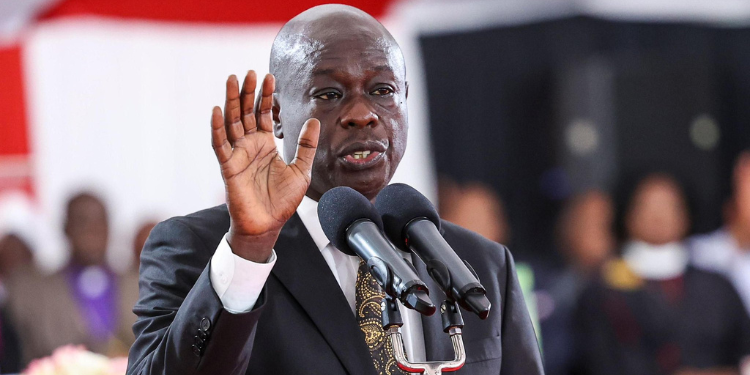
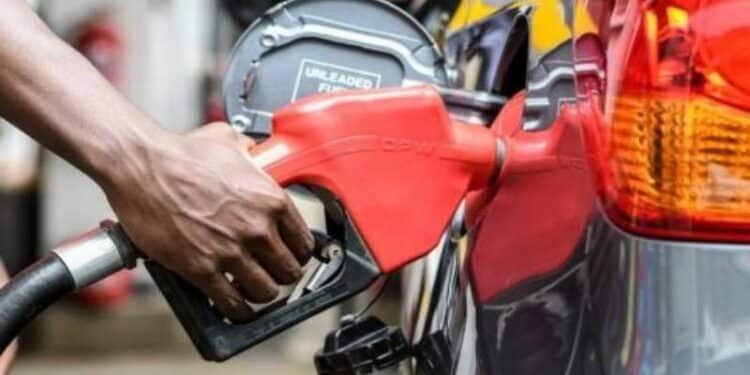
Former Deputy President Rigathi Gachagua has claimed that petrol prices could rise by KSh12 per liter and diesel by KSh9 ahead of the Energy and Petroleum Regulatory Authority (EPRA) review.
In a statement on October 14, Gachagua accused Ruto of ordering the proposed increases and alleged that the additional revenue would fund political bribery and mobilization ahead of the next election.
“Kenyans are demanding cash from him everywhere he goes, including in his native Rift Valley backyard. Cash is running out, especially after that Zimbabwean died with his cash. Desperate to raise more cash, he ordered last evening an increase in the price of diesel by Ksh9 and petrol by Ksh12,” he said.
Gachagua Claims Ruto Has Ordered New Fuel Price Increases
Gachagua also claimed that Gulf Energy was involved in the alleged plan and accused Energy Cabinet Secretary Opiyo Wandayi of being instructed to justify the proposed increases by citing rising global oil prices.
The allegations came as Kenyans awaited the latest pump-price review by EPRA scheduled for today, October 14.
“That so-called expert, Mr. Opiyo Wandayi, has been instructed to call a press conference and justify the increase, citing global prices,” part of the statement read.
In Nairobi, motorists paid Ksh214.03 for a litre of Super Petrol and Ksh217.86 for diesel under the pump prices that took effect on September 15 and remained in force until October 14.
Also Read: Kenya Pipeline Addresses Fuel Supply Disruption After Strike Notice
What Wandayi Said About Fuel
Energy Cabinet Secretary Opiyo Wandayi warned that Kenyans could face further pressure on pump prices as the conflict in the Middle East drove up the cost of importing petroleum products, despite assurances that the country’s fuel supply remained secure.
In a statement issued on October 13, Wandayi said global disruptions had increased shipping and insurance charges while reducing the volume of petroleum products reaching the market.
The landed cost of Super Petrol at the Port of Mombasa rose from approximately USD1,199 (Ksh155,378) per tonne in August to USD1,385 (Ksh179,516) in September.
According to Wandayi, diesel import costs also increased over the same period, climbing from about USD1,200 (Ksh155,508) to USD1,313 (Ksh170,167) per tonne.
Also Read: Motorists Demand Overhaul of EPRA Fuel Pricing Formula
Despite the rising costs, Wandayi assured Kenyans that the country had not experienced fuel supply interruptions, with cargoes arriving and being offloaded as scheduled and petroleum products available at petrol stations across all counties.
He said Kenya had maintained supplies despite attacks on oil tankers and strikes targeting pipelines and loading facilities in the Middle East.
The Cabinet Secretary attributed the continued supply partly to the Government-to-Government (G-to-G) fuel procurement arrangement, which had enabled international oil companies supplying Kenya to load cargoes from alternative ports and regions when disruptions affected their usual loading points in the Gulf.
He said the arrangement had helped sustain deliveries despite disruptions to major shipping routes and oil infrastructure.
As of today, October 14, 2026, global crude oil prices stood at approximately USD94.42 per barrel for West Texas Intermediate (WTI) and USD106.03 for Brent crude, amid persistent supply risks and escalating tensions in the Middle East.
Follow our WhatsApp Channel and X Account for real-time news updates.