Long before matatus and transport Saccos came to dominate Kenya’s roads, companies such as Kenya Bus Services (KBS), Akamba Bus and OTC were the backbone of public transport, moving passengers across Nairobi and the rest of the country.
Their names became synonymous with travel, reliability and dominance on the country’s roads. Some operated vast fleets, while others controlled key routes and set industry standards.
Yet despite their success, many of these once-powerful transport firms ultimately disappeared, brought down by debt, competition, changing market conditions, management challenges and shifting government policies.
Today, some survive only in memory, while others have been replaced by newer players.
Here are six transport giants that once ruled Kenya’s roads before fading into history.
Kenya Bus Services (KBS)
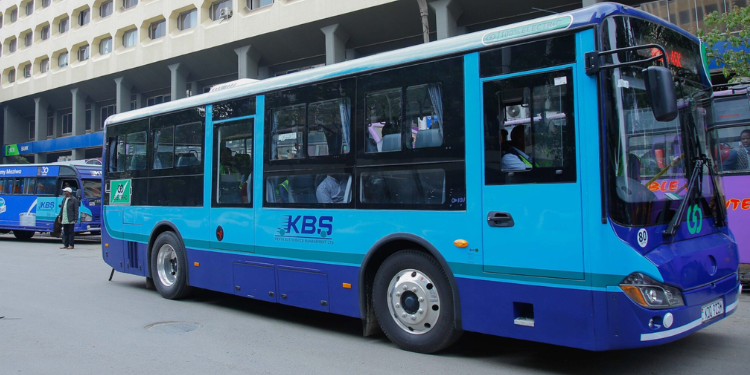
Few transport firms can claim the influence Kenya Bus Services (KBS) once enjoyed.
The company operated an extensive network across Nairobi and became the dominant provider of scheduled urban transport, carrying thousands of commuters daily.
Also Read: How Simba Became a Leading East African Bus and Parcel Transporter
In the 1990s, British transport giant Stagecoach acquired a majority stake in the company, making Kenya one of the few African countries where the multinational had a major investment.
Despite its dominance, KBS struggled to compete with the rapid growth of privately operated matatus, which offered more flexible services and routes.
KBS also faced rising operating costs, worsening traffic congestion, and mounting financial pressures.
These challenges gradually eroded its market share and weakened its financial position.
The original KBS company eventually collapsed in 2005, ending the reign of a transport operator that had dominated Nairobi’s public transport system for decades.
However, the KBS name later survived through successor management and franchise arrangements, so the famous brand outlasted the original company.
Akamba Bus
Akamba Public Road Services, popularly known as Akamba Bus, grew from a small transport business into one of the largest bus operators in Kenya and the wider East African region.
Founded by businessman Sherali Hassan Nathoo, the company built an extensive network linking major towns in Kenya and extending services into Uganda, Tanzania and Rwanda.
At its peak, the operator had a fleet of more than 100 buses and was widely regarded as a market leader in long-distance passenger transport.
The company began facing difficulties after the death of its founder in 2000.
Management disputes involving family shareholders, boardroom wrangles, debt challenges and increased competition gradually weakened the once-dominant operator.
Former executives also left to start rival transport businesses, further eroding Akamba’s market share.
The decline culminated in liquidation proceedings and the disposal of company assets, ending a transport empire that had dominated Kenya’s highways for decades.
By 2023, creditors were being invited to share proceeds from realized assets as the liquidation process neared completion.
Overseas Transport Company (OTC)
Overseas Transport Company (OTC) was among the earliest organized public transport operators in Kenya.
Also Read: Modern Coast Express Owners, Routes, Parcel Services and Travel Classes Explained
The company operated urban bus services in Nairobi and also ran long-distance passenger services, becoming a major player in the country’s transport sector before the rise of private matatu operators.
For decades, OTC was at the center of Nairobi’s transport network.
Its Racecourse Road terminal became so prominent that the area came to be popularly known as OTC, a name that remains in use long after the company disappeared.
Historical records indicate that OTC’s services collapsed around 1990 as private operators increasingly entered the market and transformed Kenya’s public transport landscape.
Nyayo Bus Service
Launched during President Daniel arap Moi’s administration, Nyayo Bus Service was created as a state-backed public transport provider meant to offer affordable and reliable services while challenging the dominance of private operators in the sector.
The company quickly became a familiar sight on major routes, particularly in Nairobi.
Its buses were widely recognized and carried thousands of commuters daily.
However, financial difficulties began to pile up, and the corporation struggled to remain viable.
The situation worsened over time, leading to insolvency.
In 1997, the High Court ordered the winding up of the company, bringing an end to one of the government’s most ambitious transport ventures.
Its collapse marked the end of an era for a company once seen as the future of public transport.
Mawingo Bus Services
Mawingo Bus Services was once among the notable long-distance transport operators serving western Kenya.
The company built a strong presence on routes linking Nairobi with major towns in the western region, becoming a familiar name to passengers travelling across the corridor.
During its peak years, Mawingo competed with other established operators for passengers travelling between Nairobi and western Kenya.
However, the company’s position weakened as competitors expanded their fleets, introduced newer buses and increased frequencies on the same routes.
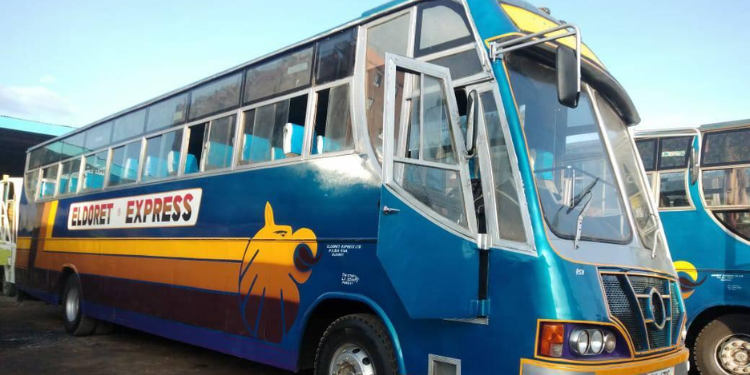
By the time companies such as Eldoret Express emerged as major players on the corridor, Mawingo’s influence had significantly declined before eventually disappearing from prominence.
Crossland Sacco
Crossland Sacco was among the transport investment groups that operated shuttle and matatu services in parts of Rift Valley and western Kenya during the growth of the shuttle transport sector.
However, business and operational challenges gradually affected the Sacco’s performance.
Investors became dissatisfied with the direction of the company and eventually concluded that it no longer offered a viable future for their investments.
In 2004, a group of investors withdrew from Crossland and established North Rift Shuttle, effectively creating a successor operation and ending Crossland’s prominence in the regional transport market.
Follow our WhatsApp Channel and X Account for real-time news updates.