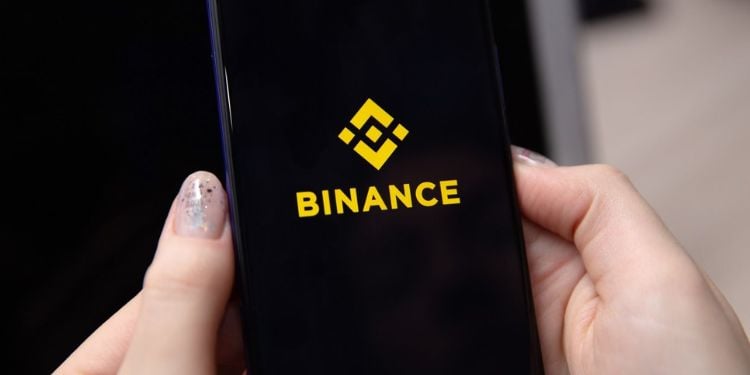
Kenyan cryptocurrency traders using Binance are on alert after the global exchange temporarily suspended deposits and withdrawals following a security incident.
In a security incident progress report published on Friday, October 30, the exchange said preliminary investigations pointed to a possible compromise of a DevOps engineer’s laptop.
The suspected breach allegedly allowed attackers to access an internal service container and submit unauthorised withdrawal transactions.
However, Binance said it had not found evidence of a leaked wallet private key, adding that investigations were ongoing to determine how the attackers gained access and the full extent of the incident.
“Preliminary Binance investigations indicate that this security incident may involve a DevOps engineer’s laptop being compromised, allowing attackers to access a service container and submit unauthorized withdrawal transactions. During the completion of security checks, deposits and withdrawals will be temporarily suspended,” part of the incident report read.
How the Security Breach Occurred
According to Binance, investigators suspect that the incident began when a DevOps engineer’s laptop was compromised.
The attackers allegedly exploited the access to enter a service container, a software environment used to run applications and internal services, before submitting unauthorized withdrawal transactions.
As investigations continue, the exchange has not disclosed the identity of the employee, the number of transactions involved or the precise systems affected.
In contrast, it said it would release a detailed technical review once investigations were complete and the findings verified.
Also Read: CMA Appeals to Kenyans for Crypto Evidence in QVSE Investment Scheme Probe
Binance Freezes KSh 390 Billion in Assets
The exchange placed the estimated financial impact of the incident at KSh 819 billion.
Of this amount, the exchange froze approximately $3 billion (KSh 390 billion) on-chain in cooperation with blockchain partners.
According to the exchange, the freezing operation is part of efforts to restrict the movement of affected digital assets and support their recovery.
“The total impact of this incident is estimated at $6.3 billion. We have worked with blockchain partners to freeze affected assets, and have currently frozen approximately $3 billion on-chain,” Binance stated.
The exchange also revoked authorizations for affected addresses to prevent further unauthorized activity.
Binance further explained that the services would resume after the security issue had been fully resolved.
Binance Commits to Covering Losses
The company confirmed it would cover all losses arising from the incident through its Secure Asset Fund for Users (SAFU) and company funds.
According to Binance, it established SAFU as an emergency reserve to provide additional financial protection for users in extreme circumstances.
The firm also announced plans to publish an updated Proof of Reserves certificate after completing the repair work.
Binance, in coordination with law enforcement agencies and blockchain intelligence partners, is working to trace the affected assets, identify those responsible, and pursue their recovery.
Customers were advised to rely on announcements from its official communication channels and warned against fraudulent links, suspicious messages, and requests for sensitive account information.
Also Read: Domestic Markets vs. Global Markets: Why the Distinction Still Matters for Crypto Traders
Crypto Market in 2026
According to Chainalysis figures reported in March 2026, Kenya’s cryptocurrency market remains active, with an estimated 733,300 with digital assets.
Binance executives previously cited more than 4.4 million active crypto users in Kenya, active in the wider market rather than Binance account holders.
On the regulatory front, Kenya made further progress in 2026 with the publication of the Virtual Asset Service Providers Regulations, 2026, on the CMA website in July.
The regulations provide implementation guidance for the country’s virtual asset framework, including licensing and oversight requirements for service providers.
According to CMA, the regulations followed a public consultation process announced by the National Treasury in March 2026, with the CBK and CMA inviting submissions on the draft rules.
The proposed framework addressed licensing, cybersecurity, safeguarding customer assets and consumer protection.
Developments build on the Virtual Asset Service Providers Act, 2025, which took effect on November 4, 2025.
According to the Financial Reporting Center’s September 2023 national risk assessment, the assessment collected 341 responses from public and private sector participants, including virtual asset service providers, regulators and financial institutions.
It found that most surveyed crypto users were under 40. Most reported investing KSh100,000 or less, mainly using personal income and savings.
Bitcoin, Ethereum, and Tether (USDT) were among the most commonly used assets.
Among stablecoins reported in the assessment, USDT accounted for 49 per cent, followed by USD Coin (USDC) at 31 per cent and Binance USD (BUSD) at nine per cent.
Follow our WhatsApp Channel and X Account for real-time news updates and subscribe to our YouTube Channel for in-depth interviews.