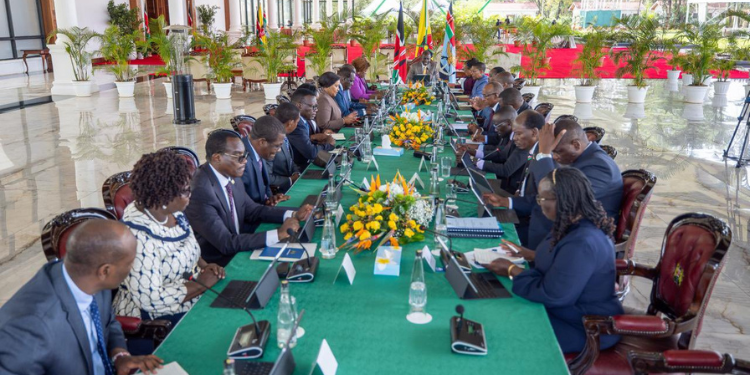
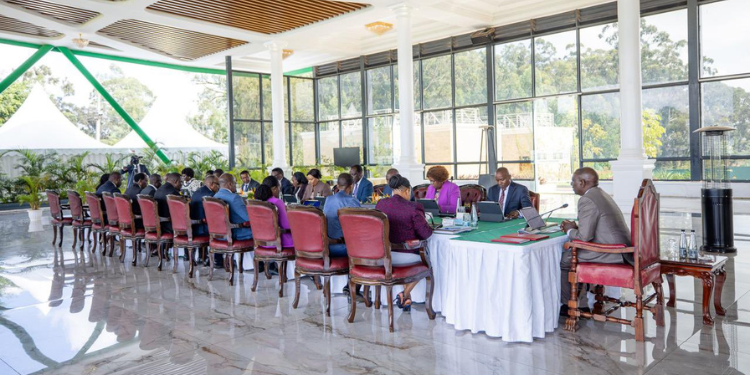
The Cabinet has approved the establishment of the National Infrastructure Fund and the Sovereign Wealth Fund, following a meeting chaired by President William Ruto.
In a dispatch on Monday, December 15, 2025, State House said that the two approved funds will anchor the country’s long-term development and economic transformation.
The National Infrastructure which was approved as a limited liability company “will serve as the central engine for aligning the administration’s financial resources with national development priorities.”
“Through innovative mobilisation of domestic resources, strategic monetisation of mature public assets, democratisation of ownership through capital markets and the deployment of national savings, the Government will unlock large-scale private sector capital to finance priority investments while reducing reliance on borrowing and taxation.”
All privatisation proceeds under the new framework will be ring-fenced and invested strictly in public infrastructure projects that generate and preserve long-term value.
National Infrastructure Fund and Sovereign Wealth Fund
According to the dispatch, every shilling invested through the Fund is expected to crowd in up to additional Ksh10 from long-term investors, including pension funds, sovereign partners, private equity funds and development finance institutions.
Also Read: Ruto Secures IFC Backing for Kenya’s New Infrastructure Fund in Washington
The approved Sovereign Wealth Fund Policy on its part, establishes a “comprehensive framework for the prudent management and investment of revenues from mineral and petroleum resources, dividends from public investments and a portion of privatisation proceeds through a dedicated national fund.”
“Anchored on inter-generational savings, protection against external shocks and strategic investments with commercial returns, the Sovereign Wealth Fund will strengthen fiscal discipline, enhance resilience and support long-term national competitiveness,” the dispatch adds.
“It also operationalises Article 201 of the Constitution on inter-generational equity and advances the Kenya Kwanza Manifesto’s investment-led growth agenda.”
The Cabinet has maintained that both funds will be professionally and independently managed under clear governance, transparency and accountability frameworks.
The National Infrastructure Fund will be overseen by a competitively appointed Board and CEO, while the Sovereign Wealth Fund will operate under a robust policy framework to ensure prudent investment, fiscal discipline and inter-generational equity.
Smart licences
Meanwhile, the Cabinet approved the rollout of second-generation smart driving licences under a public–private partnership.
The smart licences will be integrated with an instant fines system, mobile licence wallet and driver merit and demerit points to enhance road safety and modernise licensing.
Also Read: Govt to Introduce Instant Fines for Motorists and Boda Boda Riders
The Cabinet further approved the Livestock Value Chain Support Project to boost dairy productivity, reduce post-harvest losses and improve farmer incomes by strengthening genetics, feeds and fodder production, expanding cold-chain infrastructure and supporting farmer organisations.
It also approved the National Energy Policy to guide sector reforms and accelerate access to modern, reliable and sustainable energy.
The policy addresses low electricity access, reliance on traditional biomass, unreliable supply, limited investment and climate risks, while promoting renewables, private sector participation and climate-resilient development.
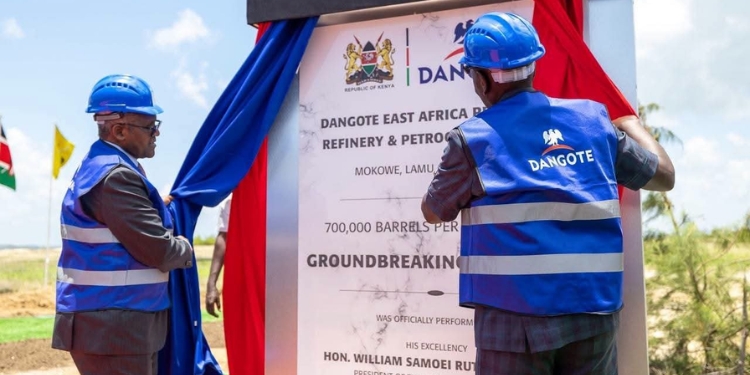
Also endorsed is the National Petroleum Policy, which updates the outdated 2004 framework in line with the Constitution and recent oil discoveries.
The policy aims to strengthen governance, attract investment, enhance energy security, promote value addition and LPG uptake, improve revenue management and safeguard the environment.
In addition, the Cabinet gave the green light to an innovative financing model to mobilise funding for priority transport projects.
These include the Naivasha-Kisumu Standard Gauge Railway (SGR) Phase 2B, the SGR link to Uganda, the Nairobi Railway City Central Station, Bus Rapid Transit Lines 2 and 3, commuter rail and nonmotorised transport.
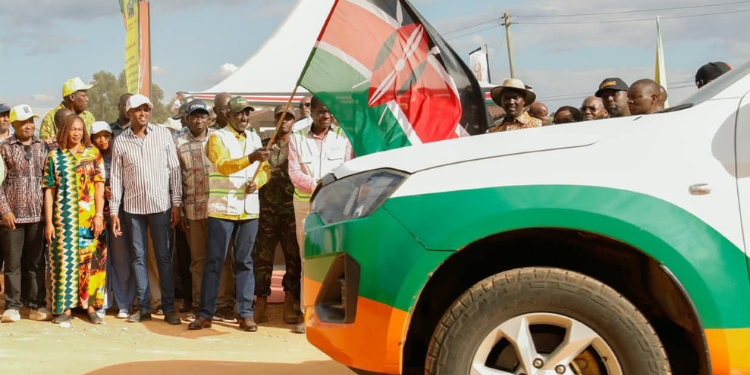
Additionally, the Cabinet noted that all pending bills for certified works and accrued interest in the Ministry of Roads, up to 31 December 2024, have been fully settled, with the ministry having paid Ksh123 billion.
“Overall, the payment programme has unlocked or accelerated 875 road contracts since April 2025.”
National Integrated Security Command and Control System
The Cabinet also gave its nod to the establishment of the National Integrated Security Command and Control System to modernise public safety infrastructure and strengthen coordinated national security response.
The system will replace the current obsolete platform with an integrated, technology-driven architecture linking security agencies and enabling real-time intelligence sharing and response
According to the dispatch, the initial deployment will give priority to major urban centers and corridors, including Nairobi, Mombasa, Kisumu, Nakuru, Eldoret and key border counties.
Follow our WhatsApp Channel and X Account for real-time news updates.