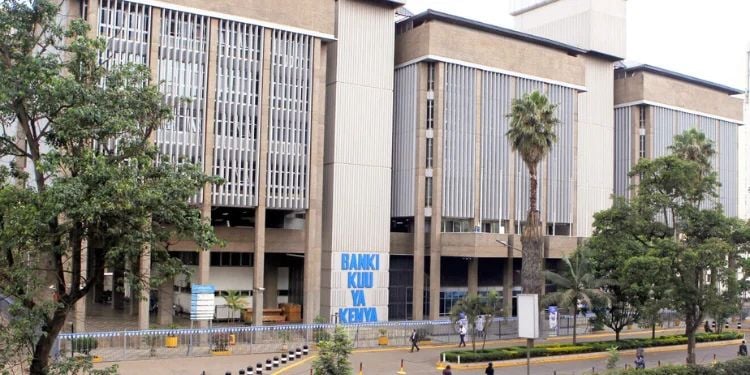

The Central Bank of Kenya (CBK) Governor, Dr. Kamau Thugge, has explained why the bank lowered lending rates from 9.25% to 9%.
Speaking at the post Monetary Policy Committee (MPC) meeting on December 10, 2025, the Governor said the decision was primarily based on the MPC’s view that inflation will remain below the midpoint of the target range in the near term, supported by lower processed food prices, stable energy costs, and a steady exchange rate.
“During its meeting on December 9th, 2025, the MPC decided to lower the Central Bank Rate by 25 basis points to 9 percent, noting that inflation is projected to stay within target,” Governor Thugge said.
He also said that central banks in major economies have continued to ease monetary policy. Still, they are doing so cautiously and at different speeds, depending on their inflation and growth outlooks.
CBK lists Factors That Influenced the Reduction of Lending Rates
Additionally, the committee noted that average lending rates in the domestic market have continued to decline, while private-sector credit growth has improved, though at a slower pace than desirable.
As such, the Committee concluded that there was scope for a further easing of the monetary policy stance by reducing the CBR by 25 basis points.
“This will augment the previous policy actions aimed at stimulating lending by banks to the private sector and supporting economic activity, while ensuring inflationary expectations remain firmly anchored, and the exchange rate remains stable,” said the CBK governor.
Thugge further noted that the MPC will continue monitoring the impact of the policy decision, as well as developments in global and domestic markets, and stands ready to take additional action if necessary. The next meeting is scheduled for February 2026.
Also Read: CBK Opens Ksh60 Billion Treasury Bond Investment to Kenyans from as Low as Ksh50,000
The committee also reviewed global economic developments, noting that despite higher trade tariffs, global inflation is projected to decline in both 2025 and 2026, driven by lower energy prices and reduced global demand. Global headline inflation is expected to fall from 5.8% in 2024 to 4.2% in 2025, and further to 3.7% in 2026.
Regarding International Oil Prices, Thugge noted that they have moderated due to increased production and subdued global demand, though they remain volatile amid heightened geopolitical uncertainty. OPEC+ producers raised oil output by 137,000 barrels per day in both November and December 2025. Non-OPEC producers are also expected to increase production.
The MPC warned that the main risks to oil prices stem from possible supply disruptions linked to escalating geopolitical tensions, particularly in the Middle East and the ongoing conflict between Russia and Ukraine.
Why Central Banks Lowered Lending Rates
- When loan demand is low, banks are more inclined to lower rates to attract borrowers.
- High competition in the banking sector can pressure individual banks to lower their lending rates to remain competitive and attract customers.
- Central banks use various tools to influence lending rates. Lowering reserve requirements for commercial banks, for instance, frees up more money for them to lend, increasing the money supply and putting downward pressure on interest rates.
Also Read: Why Bankers Want CBK to Lower Lending Rates Again
- Broader global economic uncertainty or geopolitical events can influence a central bank’s stance, leading it to adopt more accommodative policies (lower interest rates) to safeguard the domestic economy.
Follow our WhatsApp Channel and X Account for real-time news updates