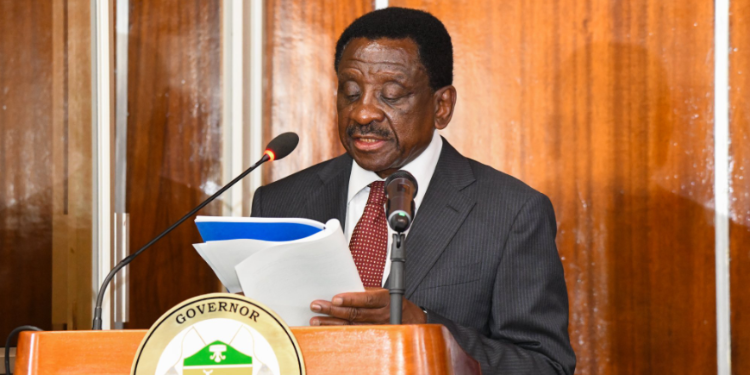
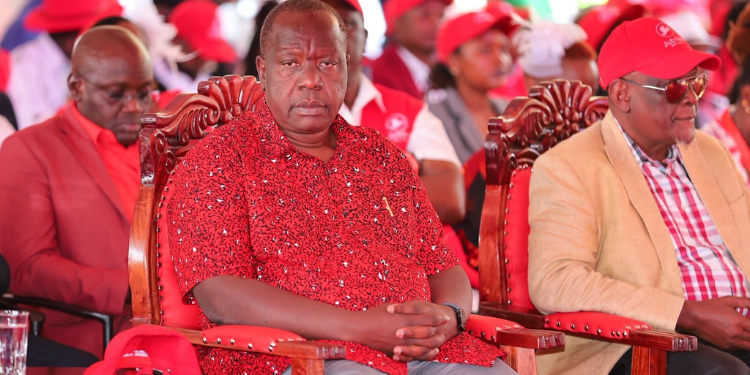
Rep. Don Bacon, a Nebraska Republican, issued a warning on Thursday, June 11, that President Donald Trump’s keenness for a deal to end the war with Iran is giving Tehran the upper hand in negotiations.
“I’ve been studying these guys my whole life,” Bacon said when he spoke to reporters. “If you look too eager for a deal with Iran, they will exploit it. Trump is perceived as wanting a deal too badly, and Iran is going to take advantage of that. They should be begging us for a deal, not the other way around.”
The comments come as the United States and Iran push forward with talks aimed at ending months of tension that led to a missile exchange early this year.
Trump has repeatedly signaled he wants a swift agreement, saying recently that a deal could be days away. His public optimism, according to Bacon, risks weakening America’s position at the table.
Republican Lawmaker Argues Tehran Is Exploiting Negotiations
Bacon, a member of the House Armed Services Committee and an Air Force veteran with years of experience studying Iran, noted that Iran is taking advantage of Trump’s eagerness to end the war to frustrate the negotiations.
He supported Trump’s earlier military actions against Iranian nuclear sites when the president ordered strikes after a deadline for talks expired.
Those operations, paired with Israeli attacks, damaged Iran’s capabilities and forced a fragile ceasefire. But Bacon now worries the administration’s push for diplomacy is sending the wrong signal.
Iran’s regime has a long record of playing hardball. For decades, it has used delays, denials, and proxy attacks across the Middle East to extract concessions.
After the 2015 nuclear deal under President Barack Obama, which Trump later abandoned, Tehran expanded its regional influence and advanced its nuclear program in secret.
Also Read: FISA Extension Fails as Trump DNI Pick Sparks Political Revolt
U.S. officials say Iran keeps on enriching uranium at high levels and supports militant groups that threaten American allies.
Current negotiations are focused on limiting Iran’s nuclear work, removing enriched uranium from the country, and reopening key shipping lanes such as the Strait of Hormuz.
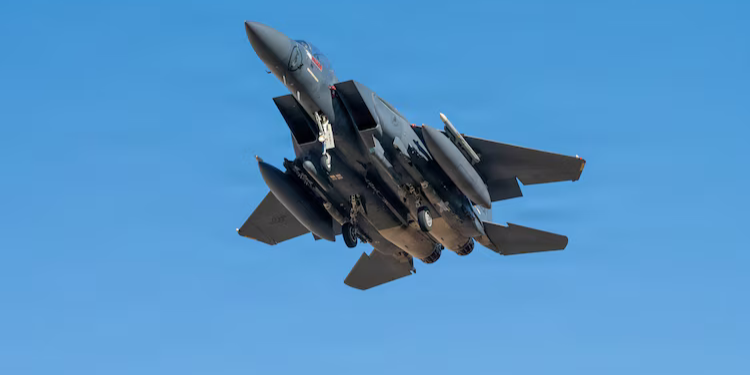
In return, the U.S. has talked about relaxing some sanctions. Trump’s team has said broad outlines of a deal are in place, but there are still sticking points over verification.
Before Iran downed a U.S. Forces helicopter earlier this week, which triggered an American response, Trump had described the talks as a chance for peace.“We don’t want endless war,” he said in recent remarks.
His administration cites weakened Iranian forces following recent fighting and economic pressure from sanctions as reasons Tehran should compromise.
Also Read: Panic in Tehran as Iran Reaches Out to Trump During Heavy U.S. Missile Strikes
Yet public comments from the president about wanting a deal quickly have drawn criticism even from some Republicans.
As recently as earlier today, Trump threatened to hit Iran hard tonight, saying the United States plans to take Tehran’s key regions rich in gas. The aim of the threat is to pressure Iran into making a deal.
Bacon says the route Trump has taken is only going to be exploited by Iran. His concern echoes longstanding advice from Middle East experts, who have been saying authoritarian regimes like Iran’s view urgency from the West as weakness.
With midterm elections approaching and war fatigue mounting, Bacon believes Iran can delay negotiations, offer lowball prices, and wait for political pressure to build on the American side.
Republicans and Democrats Differ on Best Path Forward
However, some Republicans argue the U.S. should keep maximum pressure, through sanctions and the threat of renewed strikes, until Iran accepts strict limits on its nuclear program and ends support for terrorism.
Democrats, meanwhile, have urged steady diplomacy but criticized Trump’s earlier withdrawal from the 2015 deal as destabilizing.
It is believed that any flawed agreement could allow Iran to creep toward a nuclear weapon while gaining relief from economic pain.
At the same time, a collapse in talks might lead to escalated military action, with unanticipated consequences for oil prices, regional peace, and American troops in the area.
Follow our WhatsApp Channel and X Account for real-time news updates.