National Treasury is presenting the 2026/27 Budget to Parliament as part of Kenya’s fiscal calendar on June 11.
The budget reading session involves the Cabinet Secretary for the National Treasury, John Mbadi, who will explain the government’s revenue plans, expenditure priorities, taxation measures, and economic outlook.
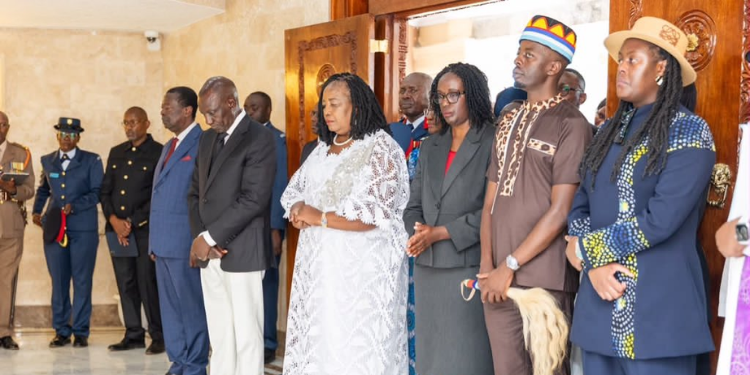
Officials, including Treasury and State Department officials, Members of Parliament, and representatives of constitutional commissions, are in attendance.
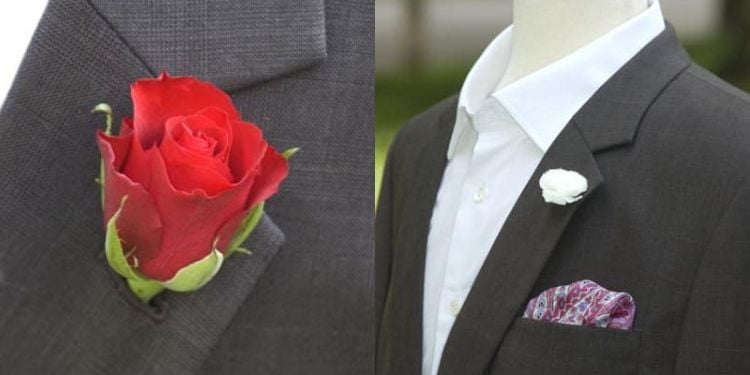
During the June 11 budget reading session, National Treasury officials attending the budget reading were observed wearing flowers on their suit lapels known as boutonnières.
Senior government officials had red-flowered boutonnières on the left side of their suit pockets.
In Kenya, government officials wear lapel flowers as a ceremonial fashion accessory at major events, including budget presentations, state ceremonies, diplomatic events, and national celebrations.
The lapel flowers on the suits not only boost the appearance of men but also symbolize confidence, according to Antonio Centeno, a men’s style expert.
“This is a shame. Nothing adds panache to a man’s appearance like the confidence embodied in wearing a stylish boutonniere,” Antonio Centeno noted.
Also Read: LIVE: CS John Mbadi Presents the 2026/2027 Budget in Parliament
Boutonnière History and Meaning
Historically, flowers were used by the ancient Aztecs and Egyptians, who wore them at sporting events to symbolize their supported teams.
In the Victorian era, red flowers symbolized passion and devotion, while myrtle represented love in marriage.
In the 15th century, boutonnières were worn by the European knights to represent the various ruling families.
Furthermore, great politicians, warriors, and poets wore the flower on their lapels to symbolize confidence.
The modern boutonnière evolved in the 19th century, alongside the suit jacket, with the establishment of the lapel buttonhole on the Redingote and Ghillie collar jackets.
According to Adam Lehman, Prince Albert is said to have invented the first lapel buttonhole to hold the flowers given to him by Queen Victoria.
Public figures like King Charles III wore different boutonnières, including delphinium and fuchsia, at the christenings of his grandchildren.
Also Read: Treasury PS Kiptoo Backs Ruto’s Government on New Budget
How to Place Boutonnières
Boutonnières are worn on the left lapel of a suit, jacket, or overcoat and are positioned above the wearer’s heart.
The flower is tucked through a lapel buttonhole that is usually 1 to 2 inches below the buttonhole on the reverse side of the lapel.
Alternatively, the attachment can be pinned to the lapel if the buttonhole loop is uncut.
Wearing a boutonnière can stand in for a pocket square, or they can be worn together if the colors are balanced.
Follow our WhatsApp Channel and X Account for real-time news updates.