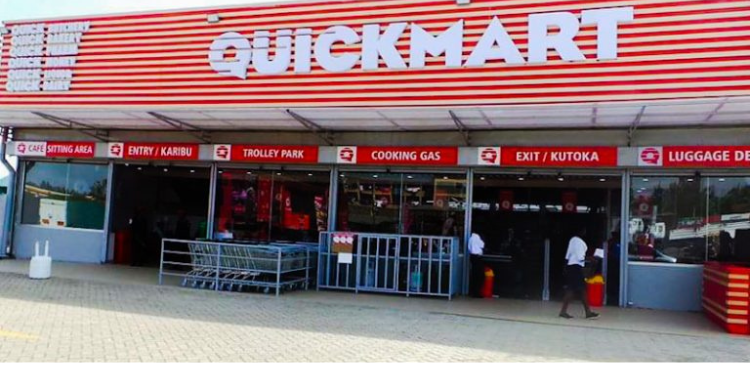
Shiquo addressed the incident in a video shared on her official TikTok account, in which she discussed the impact of the operation.
She said the raid resulted in the removal of all her stock, effectively bringing business at the outlet to a halt.
According to her account, the store was left empty following the seizure.
The incident has captured the attention of Kenyans online, not only because of the scale of the losses involved but also because of the questions it raises about what happens to confiscated goods and how Kenya’s anti-counterfeit laws are enforced.
Anti-Counterfeit Authority Explains What Happens After a Raid
According to the Anti-Counterfeit Authority (ACA), goods seized during enforcement operations undergo a strict legal process to ensure they do not return to the market, in line with Kenya’s Anti-Counterfeit Act, 2008 (as amended).
Also Read: Popular Nairobi TikTok Seller Raided, Goods Worth Over Ksh 20M Taken Away
During a raid, ACA officers seize and detain suspected counterfeit goods and prepare an official inventory, known as Form ACA 2.
The items are then secured either by moving them to ACA storage facilities or by sealing them on-site if they are too bulky to transport. The trader is also issued with a formal notice documenting the seizure.
The Authority then moves to the investigation and verification stage, working closely with intellectual property rights holders, including brand owners, to confirm whether the goods are counterfeit.
If the goods are confirmed to be fake, the case may proceed to legal action, as counterfeiting is a criminal offense under the law.
During this period, the goods remain in custody as evidence. Depending on the case, the matter may proceed fully through the courts or be resolved through legally provided settlement options.
Finally, once the goods are formally declared counterfeit, they are forfeited to the state.
The ACA notes that the most common outcome is destruction, carried out under supervision by methods such as incineration or shredding. A destruction certificate (Form ACA 16) is issued to confirm the process.
In limited cases, goods may be disposed of without harming the original brand, but the Authority is clear that counterfeit goods are never allowed back into the market once confirmed as such.
What to Do If Your Business Is Raided
According to the Anti-Counterfeit Authority (ACA), how a trader responds during a raid can affect the outcome of the case.
Also Read: New Job Opportunities for Kenyan Graduates in Japan as Universities Seal Deal
The Authority advises that business owners should cooperate fully with officers carrying out the operation, as they are acting within the law. Obstructing or resisting inspectors is itself a criminal offense under the Anti-Counterfeit Act and may result in additional charges.
Traders are also encouraged to confirm the identity of officers by requesting to see their official Certificate of Authority (Form ACA 1). This helps ensure that the raid is being conducted by authorized personnel.
During the process, business owners have the right to receive a complete inventory of all seized goods.
The ACA requires officers to prepare this record, and traders should ensure it is accurate and retain a copy for their own reference.
The Authority further warns against attempting to hide, remove, or tamper with goods during a raid, as this can worsen the situation and lead to more legal consequences.
To protect their interests, traders should take note of key details during the operation, including officers’ names, badge numbers, the date and time of the raid, and the items taken. Where possible, they may document the process for their own records, provided they do not interfere with the officers.
If the goods are genuine, the ACA advises traders to provide supporting documents, such as invoices, supplier information, and import records, to help verify authenticity.
Finally, the Authority stresses the importance of seeking legal advice immediately after a raid. A qualified lawyer can guide the trader through the legal process, explain their rights, and advise on the next steps.
Follow our WhatsApp Channel and X Account for real-time news updates.