The Kenya Civil Aviation Authority (KCAA), under the Civil Aviation Authority Unmanned Aircraft Systems Regulations, 2020, lists the requirements for owning and operating a drone in Kenya.
According to KCAA drone regulations, any individual intending to operate a drone must comply with specific legal and safety requirements to avoid penalties and the confiscation of the drone.
Further, to legally operate an Unmanned Aircraft System, including drones, for commercial purposes, one must obtain a Remote Aircraft Operator Certificate (ROC) from the Authority.
“Any person who operates an Unmanned Aircraft System for commercial activities, reward or hire shall obtain a Remote Aircraft Operators Certificate (ROC) from the Authority,” KCAA System Regulations 2020 dictates.
KCAA Drone Registration Requirements
All drones, whether used for recreation or business, must be officially registered by the Authority before operation.
The registration process enables KCAA to monitor drone activities and enhance accountability among operators and prevent legal penalties for the operator.
In addition to registering, drone operators must train and obtain the necessary licenses based on the category of the drone and the intended use.
Medium- and high-risk drone operations require a Remote Pilot License (RPL) issued through a KCAA-approved training institution.
During the training, the operators receive focused instruction in aviation safety, airspace regulations, emergency response procedures, and responsible drone handling.
On the other hand, Commercial drone operators may also need a Remote Air Operator Certificate (ROC) for activities such as aerial photography, surveying, inspections, and deliveries.
Also Read: Kenyan Aviation Company Receives Airbus Helicopters1000th H130 Helicopter
Operational Rules and Restrictions
According to the established KCAA drone operational guidelines, drones are allowed to fly only up to a maximum altitude of 400 feet above ground level.
In addition, drone operators must maintain visual line of sight with the drone during flights.
However, despite the drone operation rule allowing a maximum altitude of 400 feet above ground level, operating drones near airports, military installations, government facilities, and restricted zones is prohibited.
For a drone operator to have access to the prohibited areas, according to KCAA, they must have authorization from the Authority.
Additionally, flying drones over crowds and heavily populated areas without approval is also prohibited due to safety concerns.
National parks and wildlife reserves, including Maasai Mara and Amboseli National Park, restrict unauthorized drone use.
Special permits from KCAA, park authorities, and the Kenya Film Commission must be obtained before initiating drone operations in restricted areas.
Also Read: Details of Kenya Airways’ 400-Seat Boeing 777 Giant Aircraft.
Drone Importation and Insurances
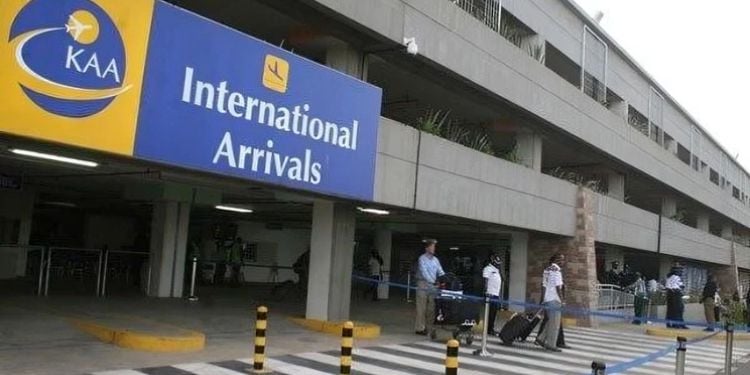
Foreign visitors and tourists bringing drones into Kenya must obtain approval from the KCAA before entering the country.
KCAA requires temporary import permits for non-residents intending to use drones within Kenya to avoid detention at the airports and border entry points.
Although drone insurance is not mandatory, KCAA advises operators to have insurance to cover liabilities arising from drone activities.
Drone Categories
- Category A – Low-risk operations
- Category B – Medium-risk operations
- Category C – High-risk operations
Follow our WhatsApp Channel and X Account for real-time news updates.