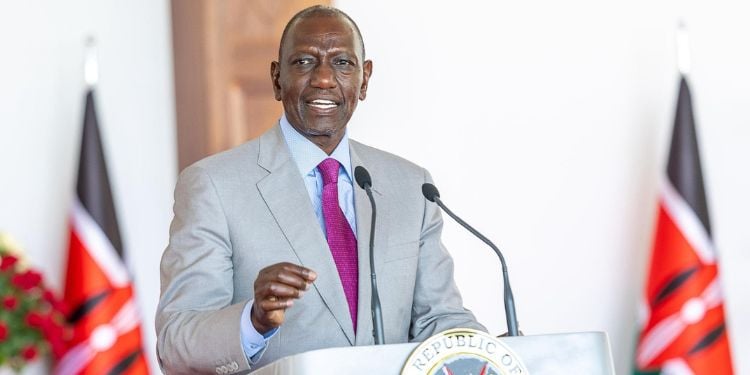
President William Ruto convened an emergency meeting and directed the National Security Council Committee (NSCC) to assess the situation following the death of a Kenyan confirmed to have an imported case of Ebola Virus Disease.
In a statement issued on October 6, the Government outlined directives and additional public health measures to prevent further transmission of the disease.
“President William Ruto this afternoon ordered the National Security Council Committee (NSCC) to convene and assess the situation following the death of a patient confirmed as an imported case of Ebola Virus Disease, and to recommend the necessary measures to safeguard the country,” read part of the statement.
Ruto Gives Way After Kenya Records Imported Ebola Case
During the meeting, the Government directed that contact tracing continue, with eight family members of the deceased placed under quarantine and subjected to daily symptom monitoring.
The Government also directed that 21 healthcare workers who attended to the deceased remain under quarantine and undergo close monitoring.
Further, Ruto directed that contact tracing be extended to passengers who traveled on the same flight as the deceased into Kenya.
So far, they have identified and contacted 27 passengers who may have had contact with the deceased, and have undertaken appropriate public health measures.
As of October 6, Kenya had screened 652,584 travellers, and tested 267 samples across five laboratories: the National Virology Reference Laboratory (NVRL), KEMRI Nairobi, KEMRI Kisumu, and two mobile laboratories deployed at the Busia border in Busia County and the Lwakhakha border in Bungoma County.
Of the 267 samples tested, only one had returned a positive result, belonging to the deceased patient. No additional positive cases had been detected.
Also Read: How Ebola Patient Evaded Detection While Travelling From DRC Through Kampala to Nairobi
The Government also directed continued training and preparedness of healthcare workers, with 4,971 healthcare workers already trained at national and sub-national levels in Ebola prevention, detection and management.
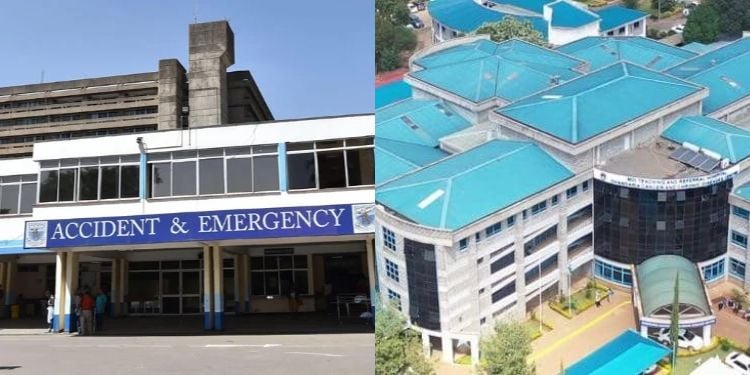
Designated facilities for the management of Ebola Virus Disease include Kenyatta National Hospital, with eight beds; Moi Teaching and Referral Hospital, with 50 beds; National Police Hospital, with 49 beds; and The Nairobi Hospital, with 143 beds, alongside a number of county isolation centres.
Ruto also directed that this capacity be expanded, with additional facilities designated as the situation evolves.
Surveillance and rapid response teams were directed to continue operations, building on Kenya’s preparedness and surveillance systems established since the Ebola outbreak began in May 2026.
Also Read: Kenya Confirms First Ebola Case
First Ebola Case
On October 6, the Ministry of Health confirmed that Kenya’s first imported Ebola case involved a Kenyan citizen who had lived in the Democratic Republic of Congo (DRC) for seven years.
The patient had reportedly fallen ill about a month before leaving the DRC and sought treatment at several hospitals in the country before beginning his journey to Kenya.
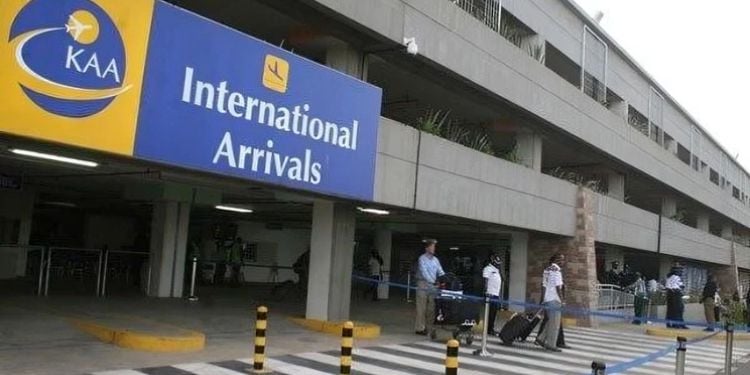
Health Cabinet Secretary Aden Duale said the patient travelled by road from the DRC to Kampala, Uganda, before boarding Jambojet flight number 85-23 to Nairobi. He arrived at Jomo Kenyatta International Airport (JKIA) on Saturday, October 3, at 1:10 p.m.
The patient underwent routine public health screening by Port Health officials at JKIA and was cleared before proceeding through immigration and leaving the airport.
He fell ill and was later admitted to hospital after developing symptoms that included bleeding. He was immediately isolated in a separate room within the Accident and Emergency area.
Follow our WhatsApp Channel and X Account for real-time news updates.