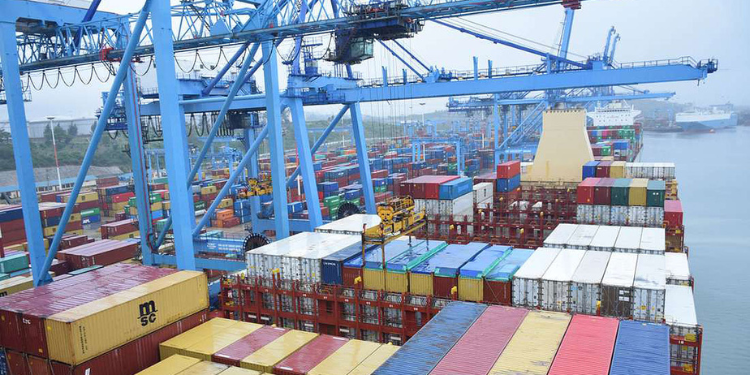
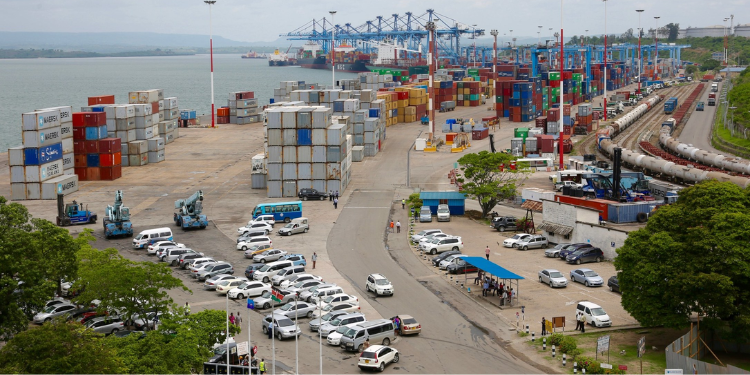
Kenya has tightened oversight on cargo entering and leaving the country as part of efforts to prevent the illegal movement of nuclear and radioactive materials.
In a public announcement dated April 21, the Kenya Nuclear Regulatory Authority (KNRA) notified exporters and licensed cargo agents, warning that all cargo must now undergo mandatory radiation screening at points of entry and exit.
The directive applies to both containerized and non-containerized cargo arriving or departing through ports, border points, and inland depots across the country.
The Authority said the move is aimed at strengthening national security and ensuring safe and peaceful use of nuclear technology.
Kenya Introduces New Radiation Monitoring Rules
KNRA, which operates under the Nuclear Regulatory Act of 2019, is mandated to regulate the use of atomic energy and nuclear technology and to oversee the production and management of radiation sources and radioactive waste.
In the notice, KNRA said all cargo entering or leaving Kenya must undergo specialized screening to detect and prevent illicit trafficking of special nuclear and other radioactive materials.
“All cargo must undergo mandatory screening to detect nuclear and radioactive materials at all Kenyan ports of entry,” read part of the announcement by KNRA.
To achieve this, the Authority has installed radiation portal monitors at strategic locations, including the Port of Mombasa and Inland Container Depots.
Also Read: KIM Responds After Govt Ordered Closure of Its Campuses
The monitors are designed to detect gamma and neutron radiation without interfering with normal cargo movement.
KNRA said any cargo found to contain radioactive sources must be properly declared and accompanied by a valid license from the Authority.
Failure to declare such cargo or provide the required documentation will be treated as a serious offense, according to the regulator.
“Accurate documentation, including the correct Harmonized System codes, is required for all cargo,” the Authority said, warning agents and importers against falsifying or omitting information.
The notice further outlined responsibilities for importers and cargo agents, focusing on strict compliance with security procedures.
Importers, Drivers Face Stricter Compliance and Penalties
Truck drivers and terminal operators have been instructed to follow designated traffic flows within ports and depots to avoid bypassing security checkpoints.
Also Read: Kenya Met Lists Nairobi Among Areas to Experience Heavy Rains This Week
KNRA said any attempt to evade screening will attract sanctions.
The Authority also called for close cooperation between importers, agents, and multi-agency teams operating at ports and border points.
According to KNRA, coordinated action is essential in reducing clearance delays while maintaining high security standards.
Verification fees for radiation screening and licensing will be charged in accordance with the Third Schedule of Legal Notice No. 160.
KNRA said it will continue working with other government agencies to enforce the directive and raise awareness among stakeholders in the cargo handling sector.
The directive, according to KNRA, takes effect from May 1, 2026.
Importers and exporters have been advised to familiarise themselves with licensing requirements and compliance procedures to avoid disruption of cargo movement.
KNRA urged stakeholders seeking clarification to visit its offices or contact its headquarters in Nairobi.
The Authority is headquartered at KASNEB Towers, 9th floor, along Hospital Road, Nairobi.
The move comes amid growing global concern over illegal trafficking of nuclear and radioactive materials, which pose serious risks to public safety, the environment, and national security.
KNRA said the latest directive is part of broader efforts to align the country with international nuclear safety and security standards and to support safe trade and development.
The regulatory body concluded by asking stakeholders to comply fully and warned that enforcement will be firm once the directive takes effect.