The government has stepped up preparations and identified a county expected to face the highest impact as Kenya prepares for the forecast El Niño rains between October and December.
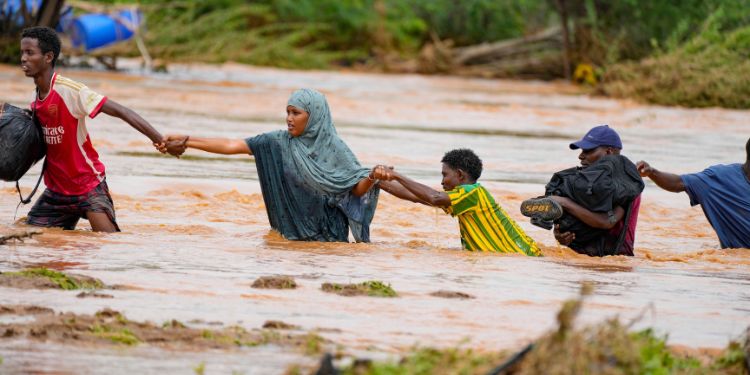
Garissa County projects that up to 89,000 households, or about 150,000 people, could be affected by the rains.
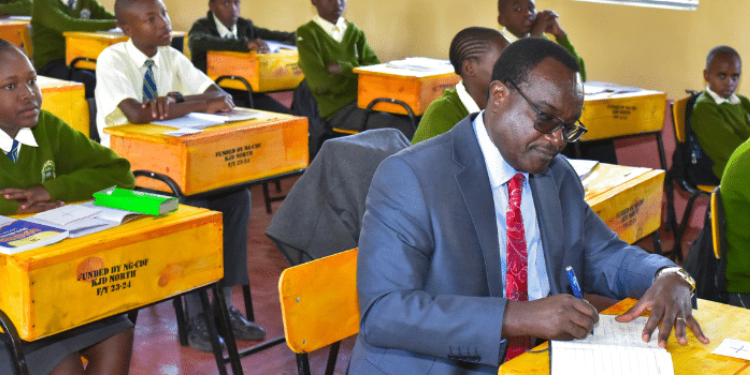
Speaking at a closed-door meeting with senior government officials and heads of agencies involved in El Niño preparations, the Deputy President, Kithure Kindiki, said the situation borders on national security.
He urged Kenyans to strictly follow safety instructions issued by security and disaster management agencies, particularly in areas vulnerable to flooding, landslides and mudslides.
“A situation like this is a matter of national security. The public is asked to comply with all instructions issued by security and disaster management agencies and other actors.”
Garissa Prepares for High Flood Risk
The Government has identified Garissa as the county expected to face the highest impact as heavy El Niño rains approach between October and December.
From the discussion, Garissa County’s preparations are being guided by a history of flooding along the Chana River.
Five sites have been identified within Garissa town to accommodate residents who may be displaced by flooding.
Garissa County has set aside KSh113 million for anticipatory action ahead of the rains.
A further KSh1.3 billion has been allocated for response, bringing the total amount set aside for anticipatory action and response to KSh1.413 billion.
Government Orders Evacuation Measures
Kindiki said security agencies and administrators had been directed to enforce evacuation orders and movement restrictions in flooded areas as preparations intensify in high-risk zones.
Also Read: Heavy Rain and Strong Winds to Hit 36 Counties This Week
He also said the government was taking measures to protect post-harvest crops and livestock from diseases that could emerge during the rainy season.
“We are also seized of the need to protect the crops by providing dryers for moisture after the harvest and also vaccinating livestock against potential diseases that may break out during this season.”
El Niño Preparedness Update
The national and county governments have adopted a two-tier preparedness approach to plan for two possible El Niño scenarios in Kenya.
In a statement issued on September 23, 2026, the Ministry of Interior said the approach covers a weak, low-impact scenario and a strong, high-impact scenario.
Under the plan, counties have the capacity to support up to 250,000 affected people.
National contingency arrangements provide for a larger-scale response of up to one million people if conditions escalate.
Also Read: Govt Issues Fresh Alert on Expected El Niño Rains, Reveals Plans in Place
The Ministry said the approach is intended to allow both levels of government to prepare for varying levels of impact as the El Niño season approaches.
Sakaja Deploys More Machines as Nairobi Braces for Heavy Rains
Nairobi Governor Johnson Sakaja has deployed earth-moving equipment to flood hotspots across the city as preparations intensify ahead of the expected heavy rains.
Sakaja inspected drainage works on September 22 along the KIRDI/Bellevue–Mombasa Road corridor, where multi-agency teams are desilting and widening drains to improve storm-water flow.
“We cannot wait for the rains to come before we act. We must be proactive,” Sakaja said, urging residents in riparian areas to relocate to safer locations.
He said the response will follow a “One County, One Plan, One Command” approach, with a four-day multi-agency simulation exercise planned later this month to test Nairobi’s emergency response capacity.
Follow our WhatsApp Channel and X Account for real-time news updates.