



Principal Secretary for the State Department for Energy, Alex Wachira, has assured Kenyans that electricity prices are unlikely to rise despite a sharp increase in fuel costs.
Appearing before the National Assembly Public Accounts Committee on April 15, Wachira said the impact of higher petroleum prices on power tariffs would be minimal due to the limited reliance on diesel in electricity generation.
He added that diesel accounts for only a small share of electricity generation, noting that most of Kenya’s power is sourced from hydropower, geothermal, wind, and solar energy.
“We generate power through hydropower, geothermal, wind, solar, and diesel. Diesel generators are mainly used in off-grid areas,” he said.
“As a ministry and State Department, we will do our best to ensure that power prices remain as stable as possible. We are increasing generation from hydropower and have also increased power imports from Ethiopia and Uganda.”
Electricity Prices to Remain Stable in the Coming Days
His remarks came as MPs raised concern over the recent spike in fuel prices, warning that the cost of living could worsen for many households already under strain.
He assured legislators that any adjustments to electricity tariffs, if at all, would be marginal.
Some MPs also sought clarification on the effectiveness of the government-to-government oil deal, which was intended to cushion consumers from global price shocks.
Lawmakers maintained that the government must take urgent measures to shield Kenyans from rising living costs, particularly by ensuring electricity prices do not rise in the wake of the fuel hike.
Also Read: How Kenya’s Fuel Prices Compare With Uganda, Tanzania, Rwanda, and Ethiopia
Fuel Prices Revised
The assurance came amid outrage over the sharp hike in fuel prices announced on Tuesday, April 14.
However, the Energy and Petroleum Regulatory Authority (EPRA) later announced a reduction in fuel prices late Wednesday, April 15, following a government decision to lower value-added tax on petroleum products, a move expected to ease pressure on consumers and businesses.
The National Treasury revised VAT from 13 percent to 8 percent, prompting the adjustment.
EPRA set new pump prices in Nairobi, with Super Petrol, Diesel, and Kerosene now retailing at KSh197.60, KSh196.63, and KSh152.78 per liter, respectively.
Also Read: EPRA Reveals High Electricity Consumption Times in Kenya
The regulator also noted that the subsidy on kerosene has been reduced from KSh108.10 to KSh96.56 per litre.
“Pursuant to Legal Notice No. 70 dated 15th April 2026, the Cabinet Secretary for National Treasury has revised the Value Added Tax rate from 13% to 8%,” the authority said.
“Super Petrol, Diesel, and Kerosene now retail at Ksh197.60, Ksh196.63, and Ksh152.78.”
The announcement came a day after EPRA had increased fuel prices on April 14, with diesel rising by a record KSh40 per litre and petrol by KSh28, rates set to remain in place until May 14, 2026.
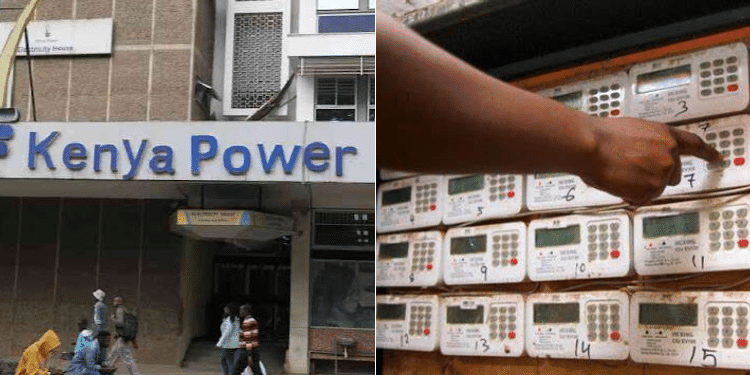
Photo/Kenya Power/Money 254



![Tsc Jss Teacher Qualifications 2026: Kcse Grades, Degrees And Subjects Required [Full List]](https://cdn.thekenyatimes.com/2026/07/Stakeholders-TSC-X-2026-06-09-36.png "Tsc Addresses Circular On Deployment Of Degree And Diploma Teachers To Junior School")