For one Kilifi family, the George Kithi Foundation’s 2025 medical outreach marked the start of a medical journey they could not have managed alone.
A father had taken his nine-year-old child to the second edition of Kilifi Medical Services Week after the child developed swelling in the genital area. Doctors at the camp examined the child and recommended further treatment, including surgery.
The procedure revealed an underlying condition that required further specialist assessment. But the cost of treatment was beyond what the family could afford, and another challenge emerged.
The George Kithi Foundation stepped in, supporting the family with the medical bill and enabling the child to continue receiving care and specialist follow-up.
For the father, the experience showed what can happen when healthcare comes closer to communities.
A year later, that commitment returned to Kilifi in a bigger way.
From August 21 to 23, 2026, Chasimba Primary School in Chonyi Sub-County became the centre of the third edition of Kilifi Medical Services Week, organized by the George Kithi Foundation in partnership with Pwani University and other stakeholders.
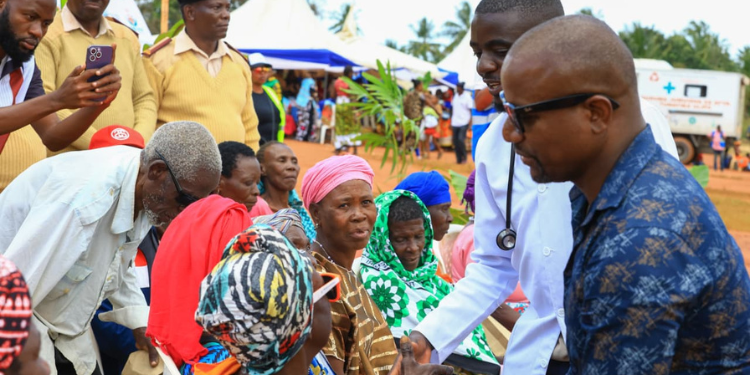
What began as a three-day medical outreach attracted a massive response from residents, with more than 7,000 people having accessed the services by the end of the second day.
The turnout also presented a clear picture of some of the health concerns affecting residents.
Among the cases encountered by medical teams were eye-related conditions, heart-related problems, high blood pressure, cancer-related concerns, and ENT conditions, among others.
Eye Care Emerges as a Key Need
Eye-related conditions were among the notable health concerns identified during the outreach.
Kwale Eye Care was among the healthcare providers at the camp, offering specialised eye services to residents.
For some patients, the outreach went beyond consultation and screening.
About 40 residents with cataract conditions underwent surgery and were subsequently discharged, giving patients who might otherwise have struggled to access specialized eye care an opportunity to receive treatment closer to home.
The experience highlighted the importance of early detection and access to specialized healthcare, particularly in communities where the cost and distance associated with treatment can become barriers to care.
A Community Responds
The large turnout throughout the three days was an indication of the demand for accessible healthcare services within the community.
Organizers say the medical outreach followed residents’ requests, and the response exceeded expectations.
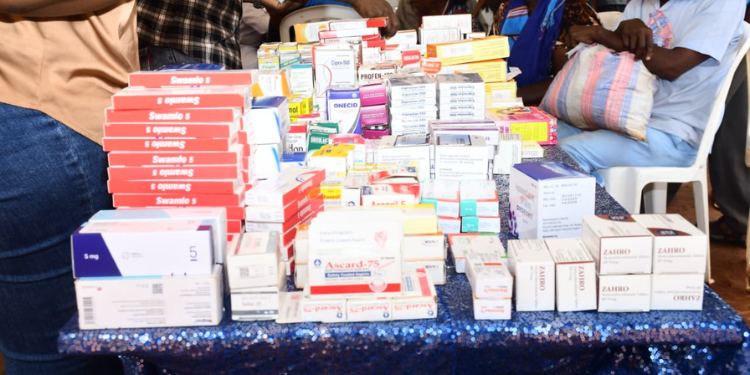
The high number of people seeking services also meant that medical supplies were heavily utilized, prompting efforts to mobilize additional supplies and medical personnel as the outreach progressed.
Medical teams remained on the ground throughout the three-day exercise, providing consultations, health checks, treatment, and medicine.
For cases requiring further treatment or specialized care, patients were referred for follow-up to ensure their medical needs could be addressed beyond the outreach.
Among the healthcare institutions and partners supporting the initiative were Pwani University, Kwale Eye Care and Aga Khan Hospital Mombasa, alongside other stakeholders.
Beyond Healthcare
The third edition of Kilifi Medical Services Week also demonstrated that community needs extend beyond medical care.
Residents could access a range of essential government and social services at the same venue.
These included SHA registration, National ID registration, voter registration, birth certificate registration, and social services registration and certificates.
Also Read: Kilifi Student Tops National NACADA Essay Competition After Beating 1,100 Learners Nationwide
Relevant and authorized personnel were available to assist residents, while organizers also engaged with local administration on ways of reducing existing backlogs and ensuring that residents could continue accessing the services beyond the three-day outreach.
Bringing these services together meant that residents could address several essential needs within one community outreach.
Looking Beyond the Three Days
The conclusion of the third edition of Kilifi Medical Services Week does not necessarily mark the end of the journey for the residents who were identified as requiring additional care.
For patients referred for further treatment, follow-up remains important.
For the organizers, the experience also provides an opportunity to understand the needs emerging from the community and consider how future initiatives can respond to them.
For George Kithi, the founder of the George Kithi Foundation and a candidate for the Kilifi Senate seat in the 2027 General Election, the outreach forms part of his continued engagement with communities in the county.
But beyond the political conversation, the three-day exercise offered a practical demonstration of the difference that partnerships can make when healthcare providers, institutions and community stakeholders work together.
Also Read: Kilifi County SHA-Approved Hospital and Clinics [List]
The story of the family that benefited from the 2025 outreach reminds us why such interventions matter.
Sometimes, a medical camp is not simply about a consultation or a packet of medicine.
It can be where a condition is discovered.
It can be where a patient finally receives the treatment they have been unable to afford.
It can be where a family gets a referral and a path forward.
And for the more than 7,000 residents reached by the second day of the 2026 outreach, Kilifi Medical Services Week offered another opportunity to take that first step.
The third edition may have ended at Chasimba Primary School, but for many of the residents who walked through its gates, their health journeys continue.