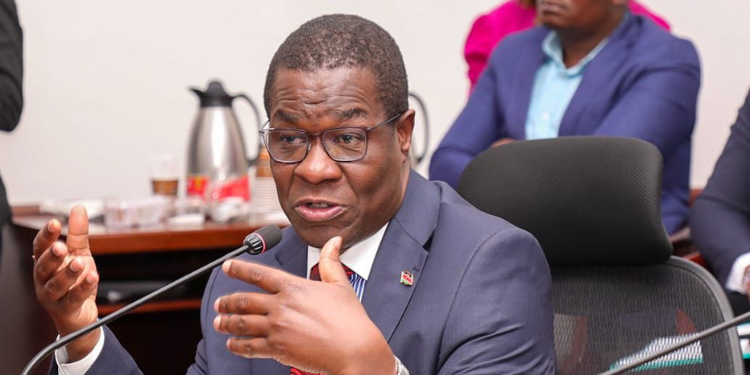
Energy Cabinet Secretary Opiyo Wandayi has revealed that efforts to reduce cooking gas prices in Kenya have taken a hit after talks between the government and Saudi oil giant Aramco collapsed.
Appearing before the Senate Energy Committee on March 31, Wandayi said a planned Memorandum of Understanding (MoU) with Aramco Trading Fujairah FZE was never finalized due to disagreements over key terms.
He said both sides were unable to reach a consensus, leading to the collapse of the proposed agreement to expand the country’s liquefied petroleum gas (LPG) infrastructure.
“The intended Memorandum of Understanding was not executed as expected given that parties were not able to amicably agree on the terms,” Wandayi told senators.
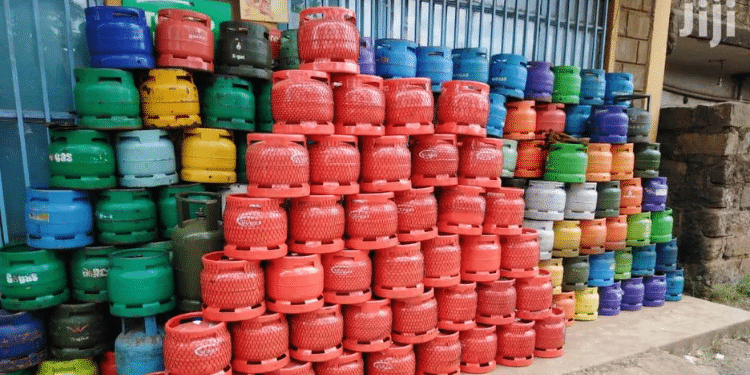
The failed negotiations mean the Saudi-backed Oil Sustainability Program, which aimed to support the distribution of about 8.4 million LPG cylinders, will not move forward as planned.
Kenyans to Wait Longer for Cheap Cooking Gas
According to Wandayi, the proposed $20 million (KSh2.5 billion) funding package came with strict conditions, including a requirement for exclusive LPG supply rights, terms the government declined.
He noted that the funding was also to be disbursed in phases, which the government found impractical.
Despite the setback, Wandayi said the State opted to walk away from the deal in favor of more workable options, while pledging continued engagement with the parliamentary committee.
The development raised concerns among lawmakers, with some questioning why the government did not proceed with preliminary approvals that could have unlocked the project.
Also Read: Tomatoes, Cooking Gas and Other Commodities Whose Prices Hiked in April
Wandayi on Market Dominance
At the same time, legislators raised concerns about complaints from small-scale petroleum dealers who accuse multinational firms of dominating the market.
Wandayi acknowledged the concerns, saying the Ministry of Energy is taking steps to address them, including reviewing petroleum allocation quotas and tightening oversight in the sector.
He added that the country has made progress in boosting LPG storage capacity in recent years, increasing significantly since 2022.
The CS also assured Kenyans of adequate fuel supplies in the short term, citing existing agreements with Gulf-based energy firms.
Also Read: How to Detect Original Cooking Gas Before Buying; EPRA
What is Next?
After the collapse of the Aramco deal, the government said it will shift its focus to private investors to drive the expansion of the LPG program.
The Ministry of Energy has already issued requests for proposals and shortlisted four local firms to support cylinder manufacturing as part of efforts to boost domestic capacity.
Energy Cabinet Secretary Opiyo Wandayi also cited Parliament’s approval of increased Petroleum Development Levy collections as a key funding stream for LPG infrastructure, including import and storage facilities.
Since 2024, Kenya has been engaging Saudi Arabia on plans to establish a floating LPG storage and processing facility off the Port of Mombasa, a project considered critical to enhancing supply and reducing costs.
The initiative was to form part of the government’s wider strategy to boost availability, stabilize prices, and deliver on a 2023 pledge to lower the cost of a 6kg gas cylinder.