Several African players at the FIFA World Cup 2026 opted to represent Africa rather than European nations in their careers, sacrificing the opportunity to play for the established European teams to pursue success and glory with their African teams.
Players including Manchester City’s Antoine Semenyo, West Ham’s Aaron Wan-Bissaka, Athletic Bilbao’s Iñaki Williams, Real Madrid’s Brahim Díaz, and PSG’s Achraf Hakimi all chose to embrace their African roots.
At the FIFA World Cup 2026, they are representing different African teams, posting mixed results but are hopeful of making history.
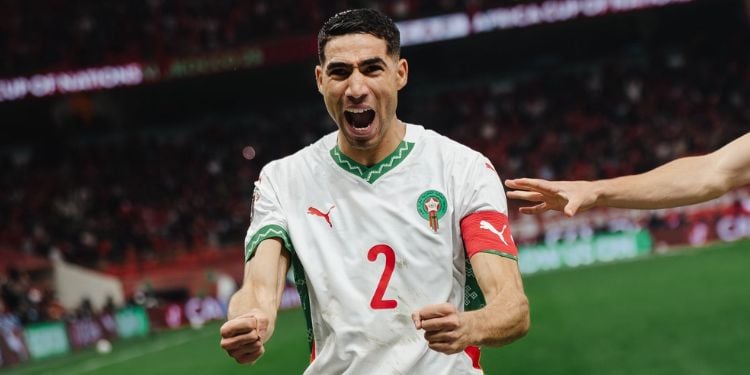
Achraf Hakimi
Born in Madrid, Spain, to Moroccan parents, Achraf Hakimi has made 78 appearances for Morocco, scoring 10 goals.
He chose Morocco over Spain in 2016, debuting for Morocco that year after developing through Real Madrid’s youth system in Spain, with a 100% Spanish youth career at Real Madrid Youth Academy before making his senior debut.
Having two national team options of Spain (his birth country) or Morocco (his parents’ country), Hakimi chose to represent his parents’ country, Morocco, over Spain, as he was never called up by Spain.
He went on to become Morocco’s captain and led the country to World Cup history, becoming the first African and Arab nation to reach the semi-finals in 2022.
At the 2026 World Cup, Hakimi is Morocco’s captain. His experience, pace, and defensive ability make him one of the best right-backs in the tournament. He has now played in the 2018, 2022, and 2026 World Cups.
Hakimi won the UEFA Champions League with PSG and is in top form going into this tournament.
Antoine Semenyo
Semenyo was born in Chelsea, London, to a Ghanaian father, Larry Semenyo, and a French mother, making him eligible to represent England, France, or Ghana.
Antoine Semenyo developed through Bristol and AFC Bournemouth before his £64 million transfer to Manchester City in January 2026.
Semenyo decided to play for Ghana when he was called up in 2022, debuting days later in a 3-0 win over Madagascar during 2023 AFCON qualifiers.
The Manchester City forward represented Ghana at the 2022 World Cup in Qatar and the 2024 Africa Cup of Nations, where Ghana was eliminated in the group stage, and now at the 2026 World Cup.
He has 32 caps in the Ghanaian shirt and 3 goals to his name.
The Ghanaian right-footed striker was named Man of the Match in Ghana’s World Cup opener win over Panama in Toronto, confirming his earlier statement about representing African culture.
“I will show our culture at the World Cup”, Semenyo said days before the World Cup in an interview.
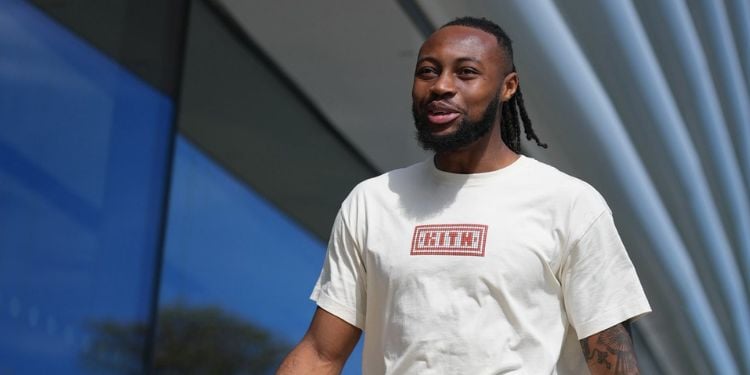
PHOTO | Antoine Semenyo | Instagram
Aaron Wan-Bissaka
Wan-Bissaka was born in Croydon, south London, in 1995 and developed in England’s youth system as a graduate of Crystal Palace Academy.
He was eligible to play for England as he was born there, but his parents were Congolese, also making him eligible to play for the African side.
Aaron represented DR Congo at U20 level in 2015 against England before switching to England at U20 and U21 levels.
He played at the 2019 UEFA European U21 Championship finals with England, made his England U21 debut in 2018, and played 3 games for the U21 team.
Wan-Bissaka received his first DR Congo international call-up in September 2025, and he made the decision to switch to DR Congo’s senior team in 2025.
On September 4, 2025, he made a winning DR Congo debut as the Leopards scored a 4-1 2026 FIFA World Cup CAF Group B qualifying victory in South Sudan, choosing to play for his parents’ country rather than the country of his birth.
At the 2026 World Cup, aged 30, he has earned 9 caps for DR Congo as a right-back since 2025. Wan-Bissaka is DR Congo’s defensive anchor and one of the continent’s best right-backs, whose experience, pace, and defending ability make him a world-stage player representing DR Congo in the most prestigious tournament in football.
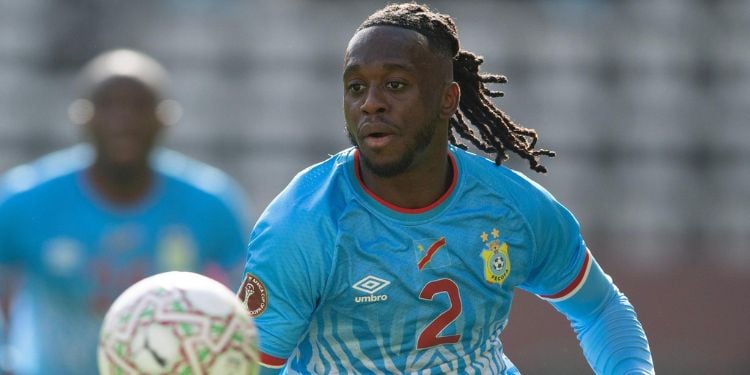
PHOTO | Wan-Bissaka | Awbissaka | Instagram
Also Read: Meet American Woman with a PhD in Analytical Chemistry and Referee at World Cup
Iñaki Williams
Born in Bilbao, Biscay, Spain, in 1994 to Ghanaian parents, Iñaki Williams, the Athletic Bilbao striker, grew up in Bilbao’s Athletic Club academy, the same club where he now plays professionally.
Inaki Williams represented Spain internationally before making the dramatic decision to switch his allegiance to Ghana in July 2022, officially announcing his choice that year and defending it publicly.
He has earned 50 caps for Ghana since his debut in a friendly vs Brazil in September 2022.
However, his brother Nico Williams chose Spain over Ghana and is representing Spain in the tournament.
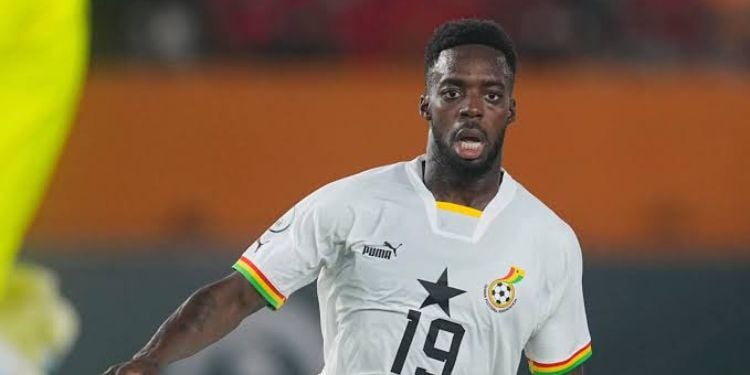
PHOTO | Inaki Williams | FB
Brahim Díaz
Díaz was born in Malaga, Spain, to Moroccan parents. Díaz was eligible to play for Spain, having been born there, and Morocco, where his parents come from.
The Real Madrid midfielder and winger, with 31 Morocco caps and 12 goals, made the bold decision to switch from Spain to Morocco in March 2024, debuting against Angola.
He represented Spain at every youth level from U-17 through U-21 with a 100% Spanish youth career, including 9 matches and 3 goals for Spain U-17, 8 appearances for Spain U-19, and 8 appearances with 2 goals for Spain U-21, scoring in 3 of 9 matches at U-17 and finding the net twice at U-21.
Brahim was convinced by the Football Federation’s president and the Moroccan minister delegate to switch allegiance. Brahim Diaz is one of the continent’s best attackers, having become a key figure for Morocco at AFCON 2025, and his World Cup debut is now a reality.
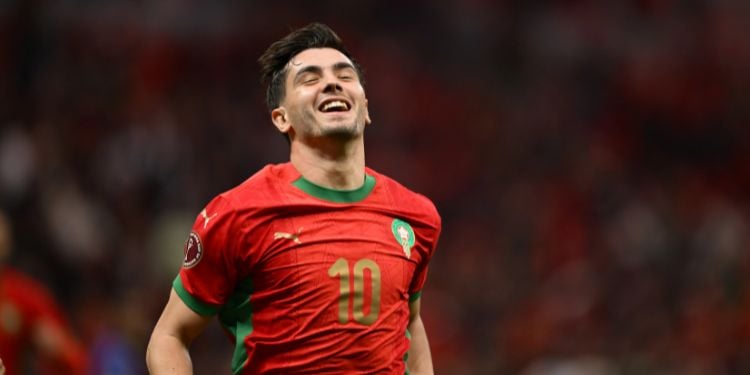
PHOTO | Brahim Diaz | Instagram
Also Read: African Teams at the 2026 World Cup: First Round Results, Standouts, and Knockout Hopes
Some Common Factors in Their Decisions
All the five players have African parents, making them eligible to represent their African countries, although they were not born in Africa.
They all developed through European youth academies: Crystal Palace, Bournemouth, Athletic Bilbao, and Real Madrid.
They have publicly defended their choices and have no regrets representing their African origins.
Historical Significance
For the first time in history, ten African nations are taking part in the expanded 48-team tournament, featuring players of African descent who chose Africa over Europe.
These players represent the rising generation of African football talent. They’re not just local players; they’re stars in Europe’s the leagues who chose to play for African national teams.
All five players are now on the world stage, representing their African national teams at the most prestigious tournament in football.
Could these players bring glory to Africa and change the story of African football?
Follow our WhatsApp Channel and X Account for real-time news updates
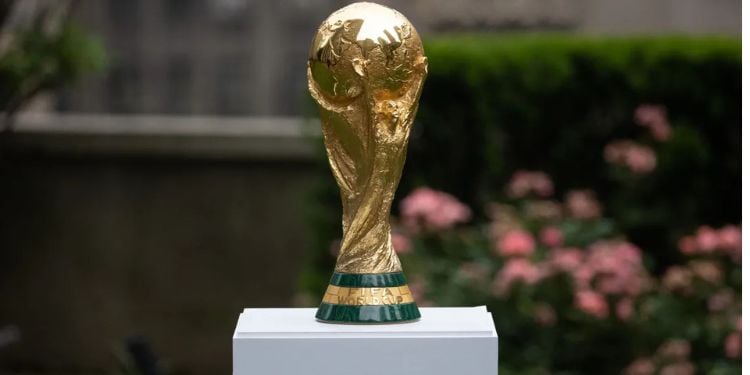
PHOTO | FIFA | X