


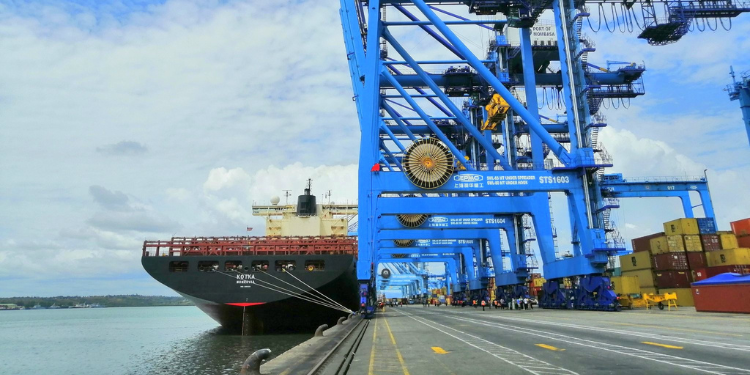
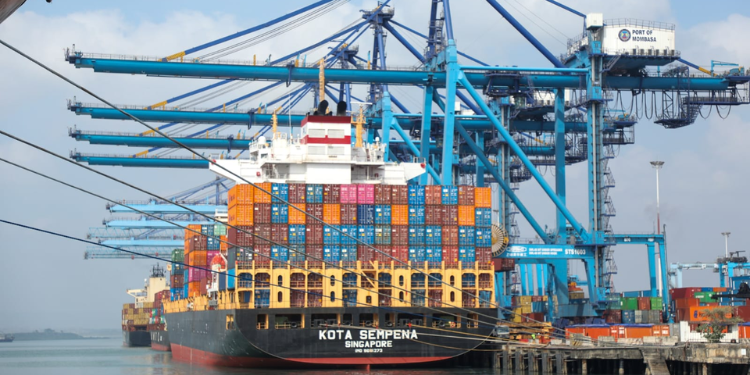
Kenya Ports Authority (KPA) has today, December 17, 2025, announced a busy schedule for Mombasa port, highlighting through a publication dated December 16, 2025, that 53 vessels were expected over the next 14 days.
The vessels include 29 container ships, 15 conventional cargo, eight car carriers, and one oil tanker.
According to the schedule by KPA, the number of cars expected to arrive in the Mombasa port only in December highlights a surge in demand for imported vehicles amid improving economic conditions.
The car carrier vessels are set to deliver thousands of vehicles, most likely imports from markets such as Japan, the UK, and Dubai.
The influx aligns with a rising trend in Kenya’s vehicle market, where new registrations have shown resilience and growth in 2025 despite economic challenges and the effort by the Kenyan president to revive the economy and make Kenya a first-world country.
Also Read: KAM Proposes Exempting Sugar Exports and Industrial Imports from 4% Levy
The arrival of these cars also reflects the increased confidence in Kenya’s automotive demand, with popularly imported cars including SUVs, sedans, pickups, and commercial vehicles, that are driven by several members of the rising middle class due to easier financing and the need for reliable transport.
The Kenyan vehicle import market is mainly dominated by used cars that constitute around 90% of most cars on the Kenyan roads, with strict regulations limiting imports to vehicles not older than 8 years from manufacture.
Factors contributing to the booming car economy
- Economic recovery and increased consumer Confidence
Kenya’s economy in 2025 showed great resilience, having a GDP growth of about 5%, following a period of challenges from high inflation, currency depreciation, and the long post-COVID disruptions.
Improved macroeconomic conditions have also boosted the demand for personal and commercial vehicles, especially as sectors like transport, logistics, construction, and agriculture have shown a rapid growth rate.
- Stabilization of the Kenyan Shilling
The shilling has held steady around KES 129-130 per USD in 2025, providing importers with a sense of predictability, reducing the risk of sudden cost increases for imported vehicles and their spare parts, and encouraging higher import volumes after years of struggles that suppressed import demand.
Also Read: Kenyan Motorists Warned of a 2-Month Traffic Disruption from Mombasa to Malaba
- Lower interest rates and improved financing access
The Central Bank of Kenya cut its benchmark rate to 9.25% in 2025, making vehicle loans more affordable.
These flexible financing options from banks and dealers have helped bridge the affordability gap, thus fueling surges in sales.
- Growing urbanization and increased demand for personal mobility
The rise of the middle class and increasing urbanization are driving demand for reliable used and new vehicles. Used imports, mainly from Japan, have dominated the Kenyan market due to affordability.
- Growth in Electric Vehicles (EVs)
Government policies, such as reduced import duties, excise duty exemptions, and VAT relief, are catalysts for electric vehicles, with EV registrations having grown rapidly and contributing to the overall import boom as Kenya aims for 5% EV market share by 2025.
The increased demand for trucks due to the rapidly rising construction and agriculture sectors, as well as infrastructure, buses, reflects expansion in logistics and industry, further increasing imports of specialized vehicles, thus boosting economic growth.
Follow our WhatsApp Channel and X Account for real-time news updates.




I am a plant mechanic looking forward to working with the port Big machines.How?