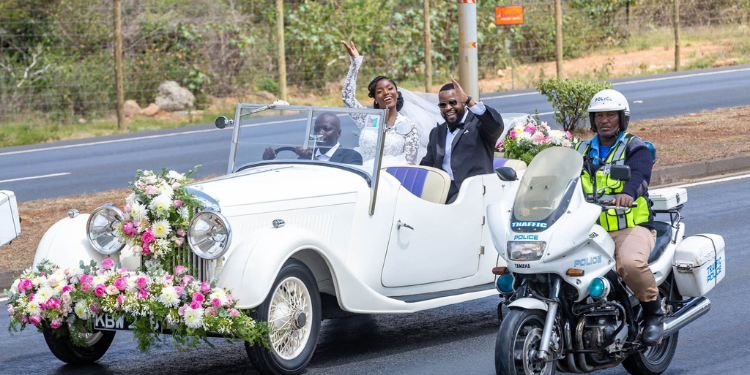

The Kenya National Police Service (NPS) allows citizens and organizations to hire police officers, patrol cars, and motorcycle riders.
The service offers both armed and unarmed officers, with rates starting from KSh. 75 per hour for unarmed constables.
Applications are processed online through the eCitizen portal, ensuring the quick and secure deployment of officers for security or event duties.
This service covers a wide range of cases, including private events, business security, and emergency response situations.
Steps to Apply Through eCitizen
For citizens and organizations to hire police services, the government has set the entire process through the official National Police Service eCitizen portal. The process involves the following steps:
Also Read: How to Join the U.S. Army- Requirements, Eligibility, and Salary Range Explained
- Log in to eCitizen – Access the portal using your registered eCitizen account.
- Navigate to Services – Go to the police services section and click Hire of Police Services
- Download and fill out the official NPS application form, providing personal or organization details, location, number of officers, and type of service, whether armed or unarmed
- Submit the filled form back on the portal.
- Pay the required amount through eCitizen based on the number of officers, their ranks, and the type of service.
Once payment is verified, the police officers, patrol cars, or motorcycles are deployed to the requested location.
The government has also set police ranks that can be hired
| Rank | Description |
| Inspectors | Senior officers who supervise operations, coordinate teams, and oversee security deployments. |
| Sergeants / Senior Sergeants | Mid-level officers are responsible for leading constables and corporals during assignments. |
| Corporals | Junior supervisory rank assisting sergeants and managing small teams. |
| Constables | Frontline officers who carry out security duties directly. |
Police Hire Rates
The NPS has set clear rates for hiring police officers, motorcycles, and patrol cars.
These rates vary by rank and whether the officers are armed or unarmed. All rates are per hour and apply to a maximum of 8 hours per day.
1. Armed Police Officer
| Rank | Rate (KSh.) |
|---|---|
| Inspector | 188 |
| Senior Sergeant / Sergeant | 150 |
| Corporal | 125 |
| Constable | 100 |
2. Unarmed Police Officer
| Rank | Rate (Ksh.) |
|---|---|
| Inspector | 150 |
| Senior Sergeant / Sergeant | 125 |
| Corporal | 100 |
| Constable | 75 |
3. Hire of Police 999 Patrol Car
| Item | Rate (Ksh.) |
|---|---|
| Police 999 Patrol Car | 5,000 |
4. Armed Motorcycle Rider
| Rank | Rate (KSh.) |
|---|---|
| Inspector | 2,000 |
| Senior Sergeant / Sergeant | 1,800 |
| Corporal | 1,500 |
| Constable | 1,200 |
5. Unarmed Motorcycle Rider
| Rank | Rate (Ksh.) |
|---|---|
| Inspector | 1,800 |
| Senior Sergeant/Sergeant | 1,500 |
| Corporal | 1,200 |
| Constable | 1,000 |
Also Read: Michael Arrum: Police Officer Who Introduced Utumishi Kwa Wote Motto
Police Act on Police Deployment
According to the National Police Service Act (NO 11A of 2011), the Inspector General may deploy an officer for private use only for the protection of goods.
“Private use of police officers, The Inspector-General may, on application by any person, station an officer for duty at such place and for such period as the Inspector-General may approve. Notwithstanding the subsection, the Inspector-General shall only deploy an officer for private use for the protection of the public good or interest. The monies paid for the private use of the police, as specified in subsection, shall be paid to the Treasury. The Inspector-General shall make regulations generally to have effect under this section.” Read part of the Act.