The Siaya County Assembly has summoned the top County Executive officials over stalled development projects, citing systemic failure just months before the financial year ends.
According to the Members of the County Assembly (MCAs), the County Executive’s failure to complete projects was a breach of constitutional duty.
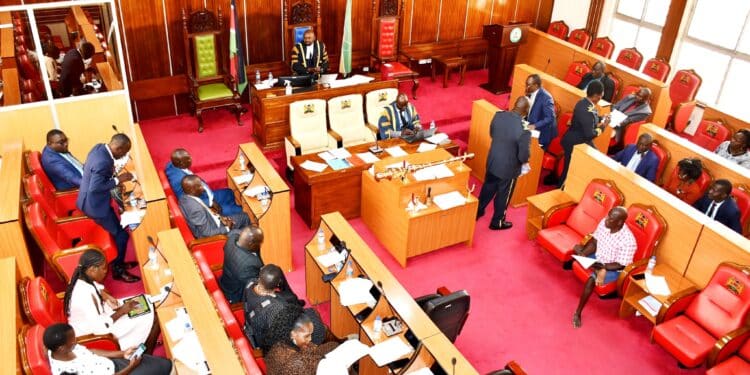
In a heated plenary session, the lawmakers expressed outrage over what they termed the executive’s neglect and refusal to fulfill obligations.
County Executive officials had failed to procure, award, and implement a substantial number of projects approved in the 2025/2026 budget, according to the MCAs.
Warning on the shortcomings of the County Executive officials, the MCAs argued that stalled development in the county threatened their political survival, as the public continues to lose faith in their leadership.
MCA Silas Mandingu called for the the County Executive Committee (CEC) members, all chief officers, and directors of procurement to appear before the Assembly due to their inaction.
In addition, Silas Mandingu reminded the Speaker of the Siaya County Assembly that all projects were to be tendered by the end of January 2026, as agreed upon during the joint consultative meeting held on December 10, 2025.
According to Mandingu, the projects had failed to be tendered, citing the commitment as having been flattened.
“That commitment has been flattened. A formal request for a status report elicited a vague, evasive, and unconvincing response, devoid of material particulars, timelines, and accountability,” Mandingu commented.
Also Read: Governors to Be Barred from Contesting MP, MCA Seats Under New Proposal
Effects of the Implementation Crisis in Siaya
MCA for South East Alego Ward, Scholastica Masidis Madowo, explained during the plenary session that the MCAs were the ones facing the aftermath of the County Executive officials’ failures.
In addition, she explained that the public in Siaya failed to differentiate between the roles of the MCAs and those of the County Executives.
Further, she stated that most of the MCAs would not attend the Assembly if no measures were taken.
“It is the MCA who bears the brunt. My people believe I am the one failing to deliver, yet my role is oversight,” she lamented. “Many of us will not come back to this House simply because of this lack of implementation,” Scholastica Madowo stated.
Similarly, Eunice Ndolo, MCA for South Sakwa, warned that the system was disadvantaging the MCAs, citing the abandoned project for a local Early Childhood Development (ECD) center, after a contractor left the site due to non-payment.
In support of the failure of the County Executives’ allegations of sabotage and gross incompetence surfaced during the deliberations with the East Gem MCA, Seth Baraka, pointing out the development in Vihiga County, while Siaya remained stagnant in development.
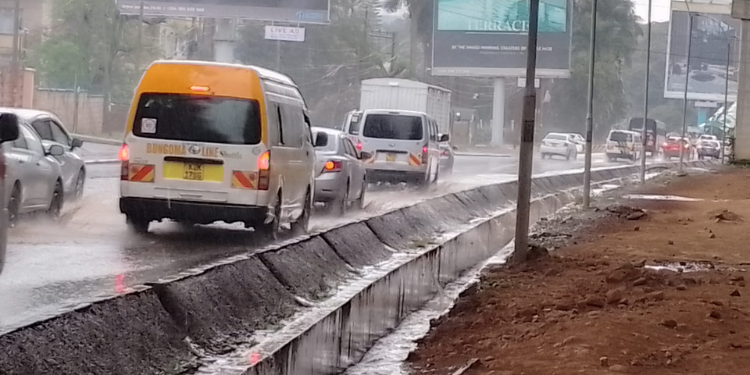
Additionally, he noted that in some wards, residents had resorted to planting bananas in the middle of dilapidated roads to protest the poor state of infrastructure.
The disconnect between the Governor’s public addresses and the reality on the ground was also highlighted by the West Uyoma, MCA Justus K’oguta.
MCA Justus K’oguta argued that a Sh47 million project aimed at reviving water services, which the Governor had touted as a success, was yet to be procured.
Also Read: Ruto Announces Plan for Pensions for Governors and MCAs
Proposed Action by MCAs
Following the allegations and complaints that had been presented in the Assembly, North Sakwa MCA Oliver Arika requested the House to invoke Article 181 of the Constitution to remove non-performing officials.
He noted that any executive who could not perform the duties as expected should be removed to ensure accountability in the county.
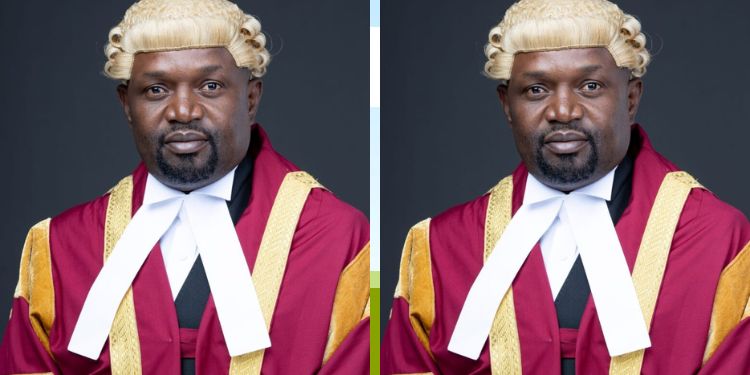
Speaker George Okode directed that the executive be formally required to submit a comprehensive response to the concerns raised before a substantive motion is debated.
Additionally, he emphasized that the Assembly would not be complicit in the executive’s failure to discharge its statutory obligations.
Furthermore, the House resolved to invite representatives of the public, civil society, and the media to the upcoming deliberations to ensure transparency and accountability.