


I write with utmost respect and profound urgency as a Kenyan Professional Counselor, Psychologist, and Family Therapist, deeply concerned by the growing crisis of substance abuse, illicit alcohol consumption, and the associated silent mental health pandemic in our beloved nation.
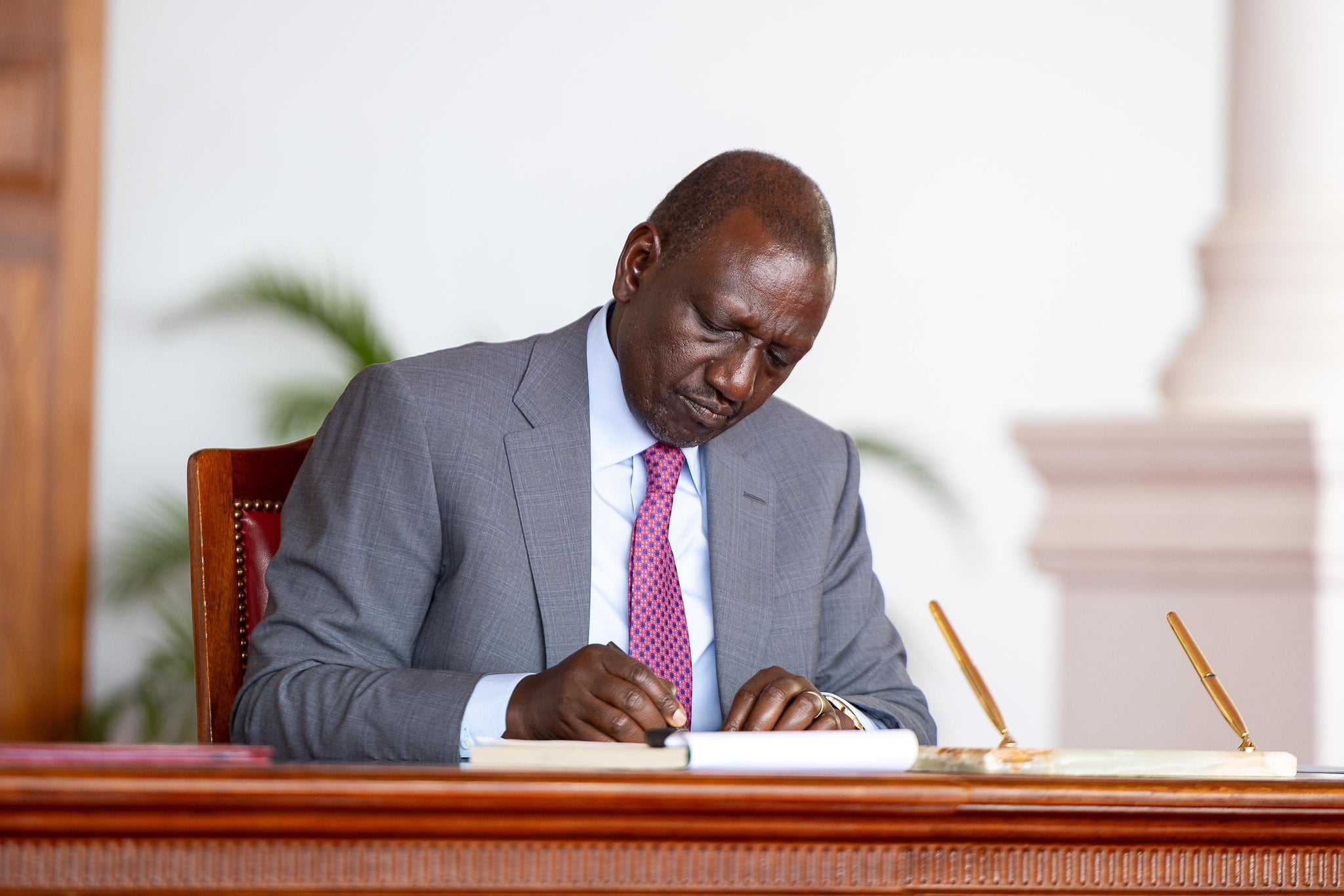
Your visionary announcement to establish a strengthened Anti-Narcotics Unit within the Directorate of Criminal Investigations (DCI) demonstrates a clear and bold commitment to confronting the scourge of drugs, illicit alcohol, and organised crime in 2026. This expanded unit, modeled to mirror the elite Anti-Terrorism Police Unit and equipped with enhanced operational capacity, is commendable, and I acknowledge your resolve to safeguard national security, health, and productivity.
However, this appeal stands on the irrefutable truth that addiction and substance abuse are far more than criminal justice issues; they are fundamentally psychological, social, and public health crises.
A recent Daily Nation survey revealed that Kenyan men are “dying in silence” with alarmingly high levels of mental distress, often hidden behind cultural expectations and unspoken pain. This silent suffering fuels substance dependence, emotional breakdown, and the tragic loss of lives.
Why Law Enforcement Alone Cannot Resolve This Crisis
- Addiction is not solely a crime problem.
Your Excellency, while illicit trafficking, production, and distribution must be dismantled through the formation of your suggested police unit, the root causes of substance abuse are deeply psychogenic and sociogenic, stemming from trauma, depression, economic stress, toxic masculinity norms, familial breakdowns, and unhealed psychological wounds.
- Mental health challenges are pervasive and silent.
Beyond illicit substances, the silent epidemic of mental health disorders, especially among men, demands open healing spaces, professional engagement, and sustained therapeutic intervention that extends beyond arrests and seizures.
- Criminalisation without rehabilitation risks repeated cycles.
A police-centric approach, without concurrent psychological care, leaves a vacuum where unaddressed trauma drives relapses, recidivism, social marginalisation, and rising suicide rates.
The Case for Counselors And Psychologists In National Response to address mental health
Your Excellency, Kenya’s universities, training institutions, and professional bodies annually produce competent Counselors, Counseling Psychologists, Mental Health Specialists, and Family Therapists. Yet, the government engagement of these skilled professionals remains minimal or ad hoc.
I respectfully propose that the Government of Kenya:
- Officially integrate mental health professionals (counselors, psychologists, therapists) into national interventions on drugs, addiction, and substance abuse.
- Establish multidisciplinary units where law enforcement works hand-in-hand with trained psychological practitioners to ensure:
– Early screening and assessment
– Trauma-informed rehabilitation
– Community psychoeducation
– Family and social reintegration support
Also Read: President Ruto’s New Year Address Loaded with Hope [FULL TEXT]
- Measure and evaluate outcomes to compare law enforcement activities with psychological and counseling interventions, guiding future policy decisions and resource allocation.
- Mandate comprehensive mental health policies in all workplaces (public and private), requiring each employer to provide:
– Effective mental health support infrastructure
– Trained counselors and psychologists on staff
– Employee mental health insurance that includes coverage for qualified counseling and psychological services
- Ensure mental health insurance coverage is not just formal but functional, working with accredited counselors and psychologists who deliver measurable therapeutic outcomes.
Sociological, Economic, And Biological Complexities Demand Professional Intervention
Mr. President, the causes of substance abuse extend beyond criminal conduct:
– Sociological factors: poverty, unemployment, family disruptions, cultural stigma around emotional expression
– Economic factors: loss of livelihoods, financial stress, lack of meaningful opportunities
– Biological and psychological factors: trauma, inherited stress responses, untreated mental disorders
Addressing these factors your Excellency requires scientifically grounded psychological strategies, not only punitive action.
Also Read: Ruto Orders IG to Deploy 1,860 Officers to New Police Unit
In conclusion your Excellency, the formation of a special police unit signifies your government’s strength, determination, and leadership. However, true resolution of this national crisis demands that Kenyans, especially those suffering in silence, are given healing, hope, and professional help, not just law enforcement pressure.
Supporting mental health practitioners to meaningfully contribute to national interventions will save lives, rebuild families, and strengthen communities.
I urge Your Excellency’s office to champion this integrated, multidisciplinary approach and to demonstrate Kenya’s leadership in humane, evidence-based national healing.
Thank you for your careful consideration of this appeal.
Respectfully,
Moffat M. Kago,
Counselor, Psychologist, & Family Therapist.
Follow our WhatsApp Channel and join our WhatsApp Group for real-time news updates.



thanks for info.