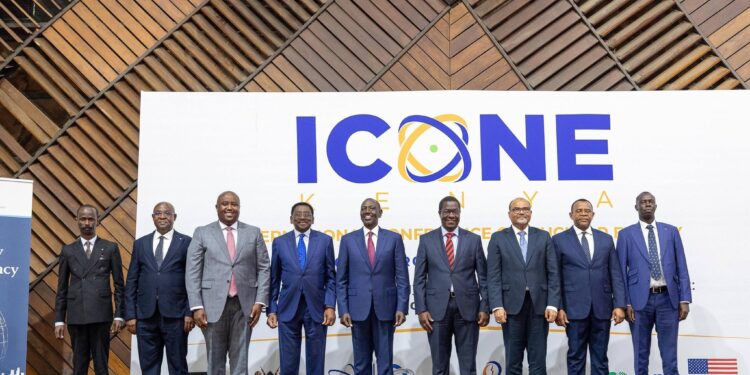
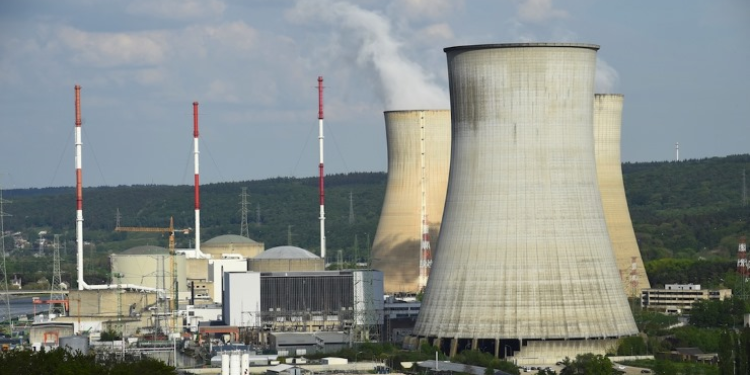
As Kenya plans for its future energy needs, nuclear power is one of several technologies being considered to provide reliable, low-carbon electricity alongside renewable energy sources.
But where could Kenya’s first nuclear power plant be built? What type of reactor might be used? How safe is nuclear energy? And what might a future nuclear-powered Kenya look like?
These are very critical questions we should answer, and we should debunk myths surrounding nuclear energy. Facts are stubborn, and closure is always key at this juncture.
A Potential Site: Siaya County
Following years of technical studies, the Nuclear Power and Energy Agency (NuPEA) has identified an area near the shores of Lake Victoria in Siaya County as a leading candidate for Kenya’s first nuclear power plant.
Several factors make the location suitable for further consideration.
Access to Water
Nuclear power plants require large amounts of water for cooling. Lake Victoria provides a substantial and reliable source of water, making it an important factor in the site’s selection.
Available Land
A nuclear power plant requires sufficient space not only for the facility itself but also for security zones and safety buffer areas around the site.
Connection to the National Grid
The region is located near existing electricity transmission infrastructure, which could be upgraded to distribute power to other parts of Kenya and the wider East African region.
Population Considerations
Areas with lower population density can make emergency planning and land-use management easier, although detailed assessments are always required before a final decision is made.
NuPEA has undertaken preliminary site studies and environmental assessments in collaboration with relevant national and county authorities. Public participation and community engagement remain important parts of the site-selection process.
Also Read: Kenya Partners with US to Enhance Preparedness for Chemical and Nuclear Emergencies
What Type of Reactor Could Kenya Use?
Kenya is evaluating several reactor technologies and has held discussions with several international nuclear technology providers.
One technology receiving significant attention globally is the Small Modular Reactor (SMR).
SMRs are smaller than traditional nuclear power plants and typically generate between 50 and 300 megawatts (MW) of electricity.
Why Are SMRs Being Considered?
They are better suited to smaller electricity grids.
A large conventional reactor can generate more than 1,000 MW of electricity. Smaller reactors can be introduced gradually as demand grows.
They may require lower initial investment.
Because many SMR components can be manufactured in factories and assembled on-site, construction may be more flexible than with traditional large reactors.
Many designs include enhanced safety features.
Several SMR designs incorporate passive safety systems that rely on natural physical processes, such as gravity and natural circulation, to help maintain safe operating conditions during emergencies.
Construction timelines may be shorter.
While timelines vary by project and technology, SMRs are generally designed to be faster to deploy than conventional large-scale reactors.
It is important to note that many SMR technologies are still emerging, and countries considering them continue to evaluate their costs, performance, and long-term suitability.
Also Read: Protests as Residents Oppose Ksh500 Billion Nuclear Plant in Kenya
Addressing Common Concerns
Is Nuclear Energy Safe?
Safety is often the first question people ask about nuclear energy.
Modern nuclear power plants are designed with multiple layers of protection intended to prevent accidents and minimise risks.
Nuclear energy is also one of the most heavily regulated industries in the world. Countries operating nuclear power plants must comply with strict international standards and undergo regular reviews.
Kenya’s nuclear regulatory framework is being developed in line with guidance from the International Atomic Energy Agency (IAEA), which supports countries in establishing strong safety and regulatory systems.
However, like any major industrial activity, nuclear power is not risk-free. Maintaining safety requires strong regulation, skilled personnel, effective oversight, and a long-term commitment to operational excellence.
What Happens to Nuclear Waste?
Nuclear waste is one of the most frequently discussed aspects of nuclear energy.
Although radioactive waste requires careful management, the volume produced by nuclear power plants is relatively small compared with many other industrial waste streams.
Most countries store used nuclear fuel safely in specially designed facilities while longer-term disposal solutions are developed and implemented.
If Kenya proceeds with nuclear power, waste management will form a key part of the regulatory and operational framework from the outset.
Environmental Considerations
Nuclear power plants do not produce greenhouse gas emissions while generating electricity.
When the entire lifecycle is considered—including construction, fuel production, operation, and decommissioning—nuclear energy is generally regarded as a low-carbon source of electricity.
At the same time, environmental assessments must consider local impacts, including water use, thermal discharge, biodiversity, and ecosystem protection.
For any future plant near Lake Victoria, protecting the lake’s ecological health would be essential.
What Could a Nuclear-Powered Kenya Look Like?
By 2040, Kenya’s demand for electricity is expected to be significantly higher than it is today.
If nuclear power becomes part of Kenya’s energy mix, it could provide a steady supply of electricity alongside renewable sources such as geothermal, hydro, wind, and solar power.
Reliable electricity could support industries, digital infrastructure, transportation, healthcare facilities, and growing urban centres.
Beyond electricity generation, a nuclear programme could also contribute to skills development, scientific research, medical applications, and technological innovation.
Looking Ahead
Kenya’s nuclear journey is still in progress. Many important decisions remain, including technology selection, financing, licensing, construction, and long-term waste management.
These decisions will require transparency, public participation, strong regulation, and sustained investment in education and technical expertise.
Whether nuclear energy ultimately becomes part of Kenya’s electricity system or not, the discussion is helping the country examine how best to meet future energy needs while supporting economic growth and environmental sustainability.
The choices made today will help shape Kenya’s energy future for decades to come.
Follow our WhatsApp Channel and X Account for real-time news updates.