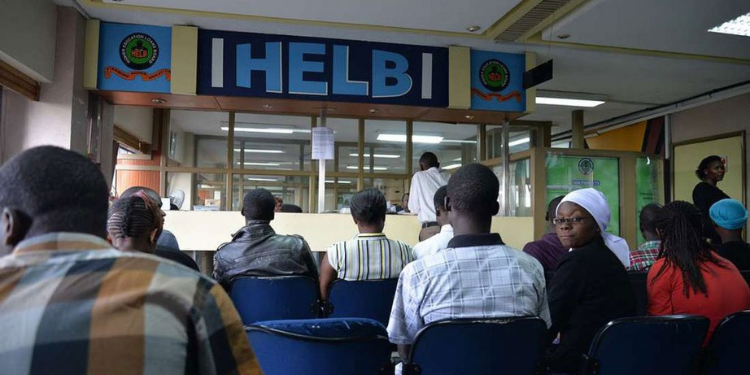
The National Assembly Departmental Committee on Regional Development is pushing for the creation of a Central Registry as part of broader efforts to streamline bursaries and scholarships, including the Higher Education Loans Board (HELB).
The proposals under discussion seek to address long-standing fragmentation in education financing, in which multiple institutions, including HELB, county governments, the National Government Constituencies Development Fund (NG-CDF), NGOs, foundations, and private-sector players, independently support students without a coordinated tracking system.
At the centre of the planned reforms is the proposed Automated Higher Education Students Financing Central Registry, which would consolidate data on all beneficiaries of student support programmes across the country.
HELB to Be Under New Centralized Student Funding System
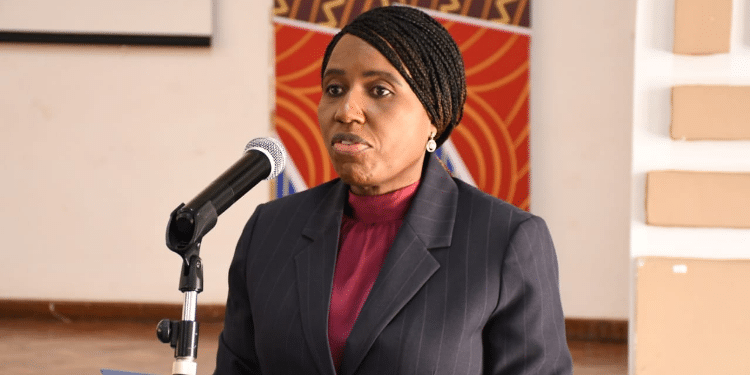
Appearing before the National Assembly Committee on Regional Development, Principal Secretary for Higher Education and Research Beatrice Inyangala said the registry would significantly reduce funding gaps and improve coordination among agencies supporting learners.
“When this system becomes operational, we expect to reduce funding gaps by at least 50 per cent,” she said.
PS Inyangala added that stakeholders had agreed to develop the registry within three months, alongside a broader harmonized policy framework for student financing.
She noted that reforms to the Student-Centred Funding Model had already removed student categorization, with allocations now based on household financial capacity, individual circumstances and a graduated scoring system.
Also Read: Govt Reveals New Funding Model for Grade 10 Students
MPs Back Proposed Reforms
On his part, Sigor Member of Parliament (MP) Peter Lochakapong called for the creation of a Central Registry to track every student receiving financial support, regardless of the source, including HELB loans, county bursaries, NG-CDF allocations, and support from development partners.
“There is a need to have one kitty and a centralized registry that will track what every student receives from national and county governments, NG-CDF, NGAAF, banks, foundations and other institutions supporting education in the country,” he said.
“We have engaged various stakeholders on the agreements, and they have largely indicated that the arrangements are in line with the law. We will continue engaging as many stakeholders as possible before making our final recommendations.”
Also Read: How Students Can Withdraw HELB Funds Directly to M-PESA
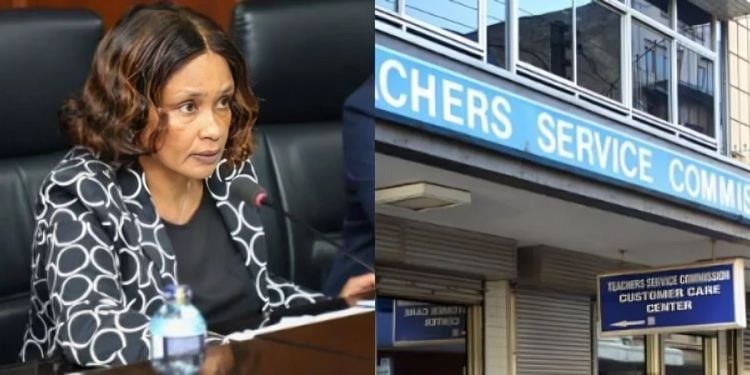
Controller of Budget Margaret Nyakang’o supported the reforms but cautioned counties against politicizing bursary allocations, especially as the country approaches the 2027 General Election.
According to submissions presented to the committee, Kenya’s higher education sector serves about 1.33 million students enrolled in universities and Technical and Vocational Education and Training (TVET) institutions. However, the absence of a centralized system has led to duplication of support, inefficiencies and gaps in accountability.
The Committee is expected to review all submissions before making recommendations to guide the implementation of a harmonized bursary and scholarship framework anchored on the proposed Central Registry.
Follow our WhatsApp Channel and X Account for real-time news updates.