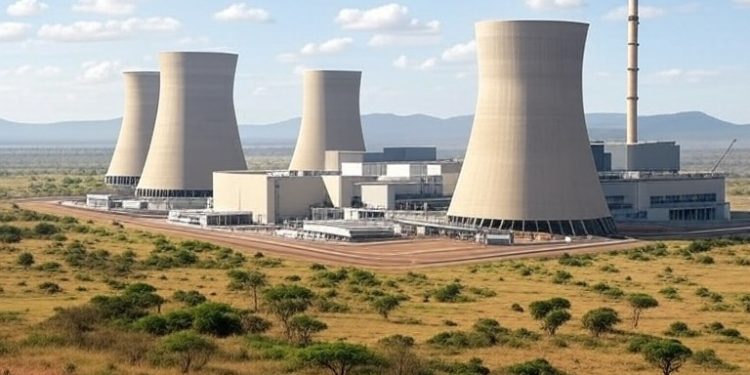
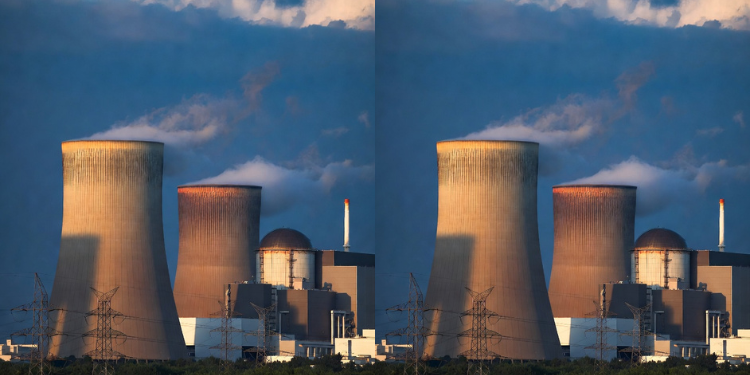
“A single kilogram of uranium can produce an extraordinary amount of energy compared to traditional fossil fuels, while generating virtually no carbon emissions during electricity production.”
Many people imagine a nuclear power plant as a place where mysterious, highly complex processes occur. In reality, it is essentially a sophisticated heat-and-steam system, one that uses one of the most energy-dense fuels known to humanity.
In this article, we follow the journey from uranium in the ground to electricity flowing through Kenya’s national grid.
Kenya Has Uranium Resources
A nuclear power plant begins long before a reactor is built. It starts with fuel.
Geological surveys conducted over the years have identified uranium occurrences in several parts of Kenya, including:
- Kwale County along the coast
- Kitui and Tana River counties in the southeastern region
- Turkana County in northern Kenya
While these resources have not yet reached the stage of commercial extraction, their presence is strategically important. If developed in the future, they could contribute to Kenya’s long-term energy security and help reduce reliance on imported fuel.
Also Read: Opinion | Can Siaya Nuclear Plant Solve Kenya’s Growing Energy Crisis?
For any future nuclear power plant, however, Kenya would initially obtain nuclear fuel from established international suppliers, as is common practice in many countries that operate nuclear power plants.
The Journey of Uranium: From Mine to Reactor
Before uranium can be used in a reactor, it passes through several carefully regulated stages.
- Mining
Uranium ore is extracted from the ground through conventional mining methods or through in-situ recovery, where specialized solutions are used to extract uranium from underground deposits.
- Milling
The mined ore is processed into a concentrated uranium oxide powder commonly known as “yellowcake.”
- Conversion
The yellowcake is then converted into a form suitable for further processing.
- Enrichment
Natural uranium contains only a small amount of the isotope uranium-235, which is needed to sustain the nuclear reaction used to generate electricity.
Most commercial nuclear reactors require this concentration to be increased through a process known as enrichment. This is a highly specialized activity carried out by a limited number of countries and facilities around the world.
- Fuel Fabrication
The enriched uranium is manufactured into small ceramic pellets. These pellets are sealed inside metal tubes known as fuel rods, which are assembled into fuel bundles and placed inside the reactor.
Inside the Reactor: How Nuclear Energy Produces Heat
The heart of a nuclear power plant is the reactor.
Inside the reactor, uranium atoms undergo a process known as nuclear fission. During fission, an atom splits into smaller atoms, releasing a large amount of heat energy.
This heat-producing process is carefully controlled using systems that regulate the reaction rate and ensure safe operation at all times.
Unlike a nuclear weapon, a commercial nuclear reactor is specifically designed for controlled energy production and cannot operate in the same way as a nuclear bomb.
Also Read: Kenya Emerges as Dangote’s Next Big Energy Gamble
Turning Heat into Electricity
Although the technology behind nuclear power is advanced, the process of generating electricity is surprisingly similar to that used in many conventional power plants.
- The reactor produces heat.
- The heat turns water into steam.
- The steam spins large turbines.
- The turbines drive generators that produce electricity.
The electricity is then transmitted through high-voltage power lines to homes, businesses, schools, hospitals, and industries.
In simple terms, the main difference between a nuclear power plant and a coal- or gas-fired power plant is the source of the heat used to produce steam.
Why Energy Density Matters
One of nuclear energy’s most significant advantages is its energy density.
A very small amount of uranium can produce a large amount of electricity. A single fuel pellet, roughly the size of a fingertip, contains enough energy to generate electricity equivalent to much larger quantities of coal, oil, or natural gas.
This means nuclear power plants require relatively small amounts of fuel to operate for long periods.
Why This Matters for Kenya
Understanding how nuclear power works helps explain why Kenya is exploring the technology as part of its long-term energy strategy.
As electricity demand continues to grow, policymakers must consider how to provide reliable, affordable, and low-carbon power to support households, industries, transportation, and digital infrastructure.
The choices Kenya makes today will influence the country’s energy future for decades to come.
Kenya is not starting from scratch. Through the Nuclear Power and Energy Agency (NuPEA), partnerships with universities, and collaboration with international organizations such as the International Atomic Energy Agency (IAEA), the country has already begun developing the expertise needed to evaluate and potentially implement nuclear technology.
Nuclear energy is not simply about building a power plant. It is also about building the scientific, technical, and regulatory capacity needed to manage a complex technology safely and responsibly.
The atom is powerful. The challenge and opportunity for Kenya is learning how to harness it wisely.
Follow our WhatsApp Channel and X Account for real-time news updates.