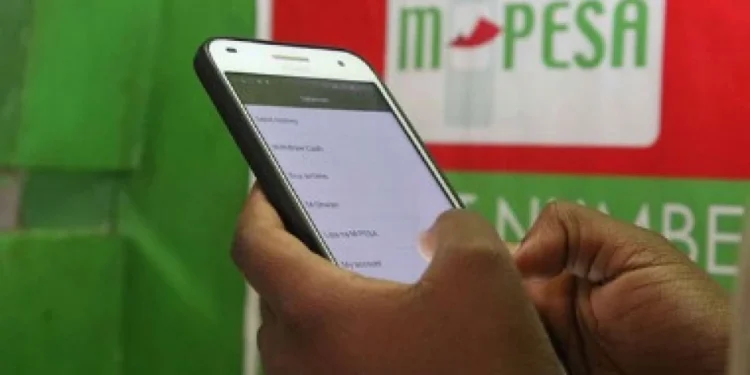
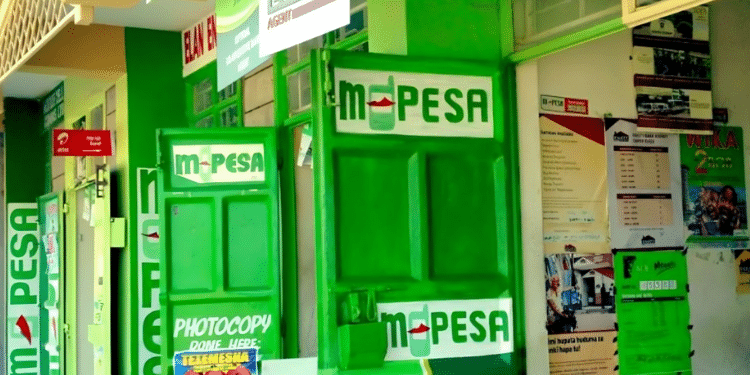
Mobile money platform M-Pesa began as a small mobile phone experiment to help microfinance institutions send and recover small loans more efficiently.
The idea was developed in 2003 by Nick Hughes while working at Vodafone, which was a major shareholder in Safaricom.
According to former Safaricom CEO Michael Joseph, the goal was to create a system that would allow people to receive and repay loans via their mobile phones rather than relying on expensive physical processes.
How M-Pesa Started as a Simple Loan Experiment
In 2000, the UK’s Department for International Development (DFID) created the Financial Deepening Challenge Fund (FDCF) to support private sector projects focused on expanding financial inclusion.
Vodafone later received nearly £1 million in funding to develop a mobile-based financial service in East Africa, matching the amount with its own investment.
Vodafone partnered with Safaricom in Kenya and began working with banks and microfinance institutions to understand the challenges people faced in accessing financial services.
The initial goal was to create a system that would enable microfinance loans to be disbursed and repaid via mobile phones.
By the end of 2005, a pilot project had been launched in Kenya. During the trial phase, researchers and developers closely observed how users interacted with the platform.
Also Read: Safaricom Explains Common Errors in New M-Pesa App and How to Fix Them
During the pilot phase, users began using the platform to send money to friends and relatives in addition to repaying loans.
Safaricom realized the service had much bigger potential beyond microfinance.
The company then transformed the system into a mobile money transfer service and officially launched M-Pesa in Kenya in 2007.
The original M-Pesa platform mainly allowed users to deposit and withdraw cash, send money to other users, and buy airtime. Over time, the service expanded into a wider financial ecosystem.
New services such as bill payments, bank transfers, merchant payments, and loan repayments were later added.
Safaricom and the Commercial Bank of Africa also introduced M-Shwari, a mobile banking platform that enabled users to save and borrow money directly through their phones.
Also Read: M-PESA Go: How to Set Up and Manage Your Child’s Account Safely
Customers and Users
In March 2026, M-PESA reached 40 million customers in Kenya as the service marked 19 years since its launch.
Under Fintech 2.0, M-PESA has transformed how Kenyans can save, invest and manage money directly from their mobile devices, while safeguarding both funds and personal data in an increasingly digital world.
The initiative has also lowered barriers to entry in wealth-building opportunities, making it possible for more Kenyans to plan, save and invest.
The platform now offers a range of financial services including wealth management products such as Ziidi MMF and Ziidi Trader, credit facilities like Fuliza and KCB M-PESA, as well as business payment solutions including Lipa na M-PESA, Pochi la Biashara and Global Pay.
Follow our WhatsApp Channel and X Account for real-time news updates.