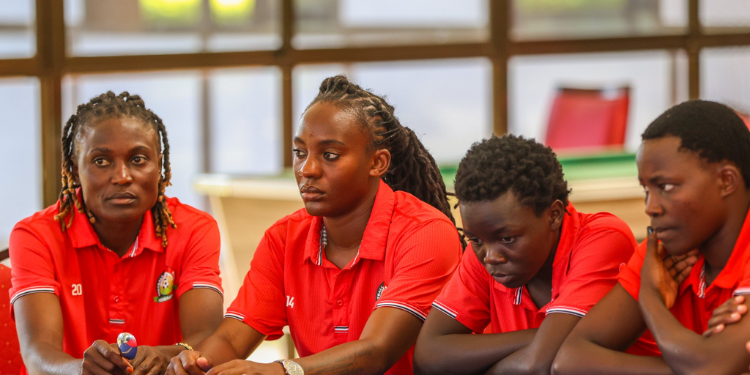
Football Kenya Federation (FKF) has issued a formal response after Women’s Premier League (WPL) clubs threatened to boycott league matches scheduled for March 14 and 15, 2026, citing unresolved concerns affecting the women’s game.
In a letter dated March 11, 2026, FKF acknowledged receiving correspondence from the FKF-WPL Club Caucus outlining several grievances that clubs say have remained unaddressed for months.
The caucus had earlier announced a unanimous decision by WPL teams to boycott the upcoming round of league fixtures until the federation takes concrete action.
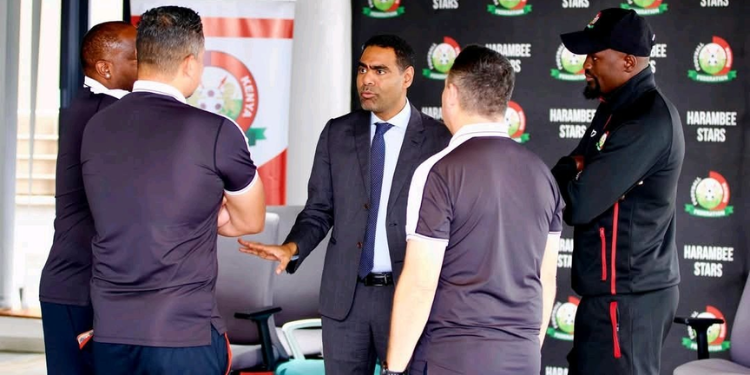
In response, FKF, through Acting General Secretary and Chief Executive Officer Dennis Gicheru, has said that the federation had already started structured engagements with clubs across all leagues to address emerging concerns.
FKF in Deep Trouble
FKF has stated that these engagements were part of a broader effort to streamline league operations and improve relations with member clubs.
“The Federation has scheduled a meeting with all FKF-WPL clubs on Tuesday, March 17, 2026, at 9:00 am at Kandanda House. In the meantime, we urge all clubs to honor all scheduled fixtures as planned in the best interest of football and to avoid bringing the game into dispute,” read part of the letter by FKF.
FKF said the meeting would provide a platform to address the concerns raised and agree on the way forward for the league.
Also Read: Profile of Beldine Odemba, Kenyan Coach Who Led Harambee Starlets to WAFCON Qualification
However, minutes from an FKF-WPL clubs leadership caucus meeting held virtually on March 11, 2026, show that clubs maintained their stand on the boycott.
Representatives from several WPL teams attended the meeting, including Vihiga Queens, Kibera Soccer Women, Ulinzi Starlets, Kenya Police Bullets, Kisped Queens, Zetech Sparks, Kisumu All Starlets, Trinity Starlets, Bungoma Queens, and Eldoret Falcons.
According to the minutes, clubs agreed that the caucus chairperson should officially engage FKF leadership and emphasize that the boycott had been reached unanimously.
The caucus noted that the sports body had not fully implemented prior resolutions and that promised interventions had not materialized.
WPL Team’s Complaints
The boycott threat by WPL clubs comes from a cluster of unresolved structural and administrative problems that clubs say have persisted for several seasons and worsened during the current campaign.
Also Read: Joe Kadenge: The Life and Legacy of Kenya’s Greatest Footballer
The primary issue is delayed and inconsistent funding, with clubs saying that.
FKF has failed to release agreed league grants on time, forcing teams to self‑fund travel, accommodation, player welfare, and matchday operations.
According to WPL caucus correspondence, some clubs have gone several months without receiving promised disbursements, despite meeting participation requirements.
Clubs say the delays have directly affected player salaries, training schedules, and medical care, making the league financially unsustainable for many teams.
The WPL teams also complain that FKF has not provided clear breakdowns on funds allocated to women’s football, including sponsorship revenue, FIFA Forward allocations, and development budgets.
The caucus noted that despite repeated requests, WPL teams have not been shown how much money is earmarked for the league or how those funds are spent.
This has fueled mistrust, especially against the backdrop of FKF’s wider financial struggles and legal liabilities.
Another major grievance is weak league administration and poor communication, with clubs complaining that critical decisions affecting fixtures, officiating, disciplinary matters, and logistics are often communicated late or verbally, with little written follow‑up.
The clubs also say that refereeing quality in the Women’s Premier League has declined, with poor officiating affecting match outcomes and raising concerns about fairness.
Finally, many WPL teams play at substandard venues without proper changing rooms, medical areas, security, or media facilities, causing considerable displeasure among them.