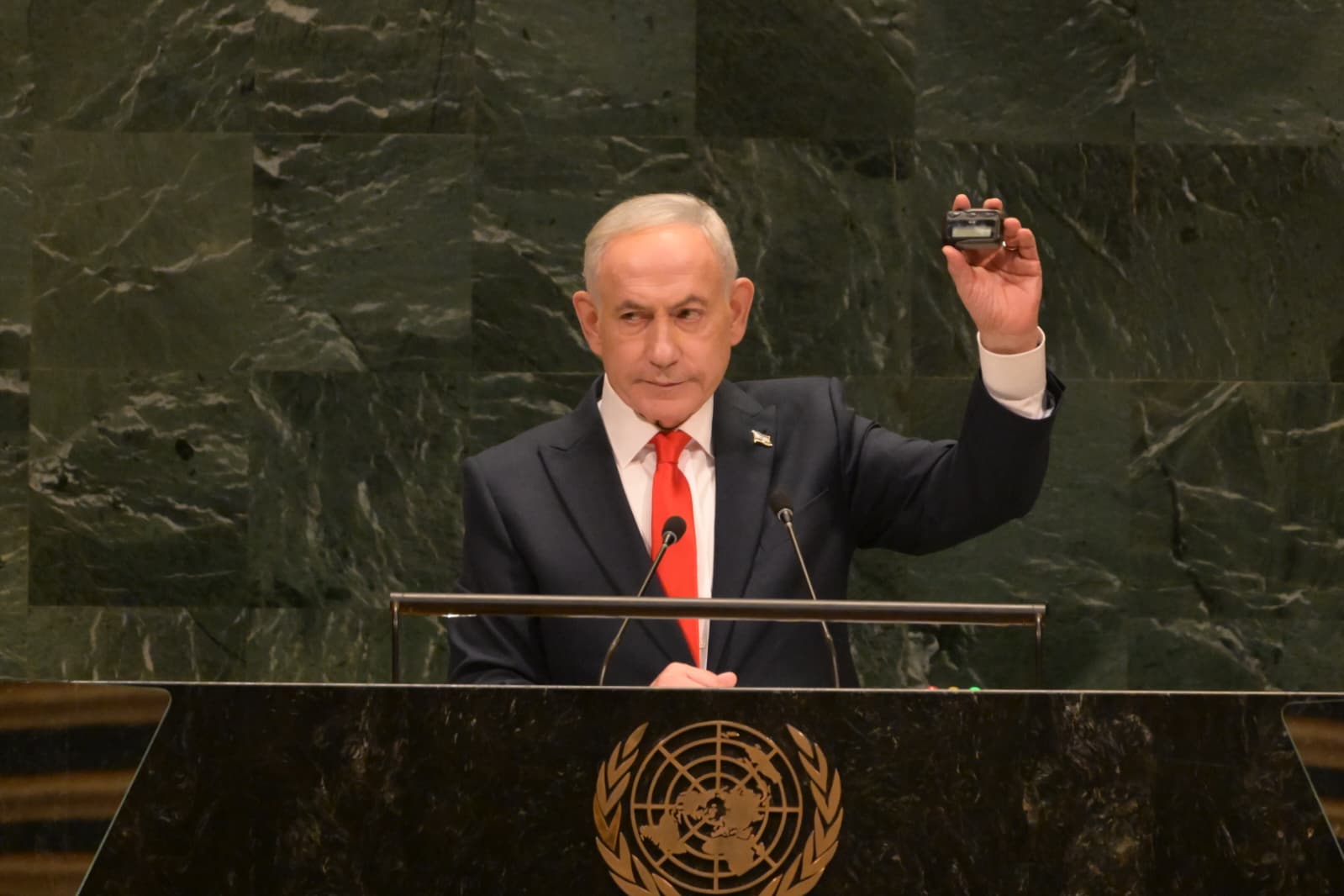
Britain has been thrown into a fresh security debate after US President Donald Trump suggested the United States (U.S) could leave NATO on April 1, 2026, raising fears about the future of the alliance and the safety of Britain’s nuclear weapons system, Trident.
The comments caused alarm across Europe, but in Britain, the response has been quick and intense.
Politicians and defense experts are questioning whether the country can still rely on the U.S. to support NATO, and what that means for U.S. national defense.
NATO has served as the backbone of UK defense policy since 1949, with the alliance built on the promise that an attack on one member is an attack on all.
Any US withdrawal would strike at the core of Britain’s security planning and weaken collective deterrence across Europe.
Liberal Democrats leader Ed Davey delivered the strongest response, stating that Trump wants to “rip up NATO” because allies refused to join what Davey described as an illegal war.
“Trump wants to rip up NATO because we refuse to be dragged into his illegal war. Threats to NATO today become threats to Trident tomorrow. We can’t rely on Trump for our national security,” read part of the statement by Ed Darvey.
Davey argued Britain must treat this moment as a wake‑up call.
“Britain needs a truly independent nuclear deterrent, committed to NATO’s defense,” Ed Darvey added.
Trident Under Scrutiny
Fears inside Britain’s political establishment now centre on Trident, the nuclear deterrent meant to protect the country from a nuclear attack.
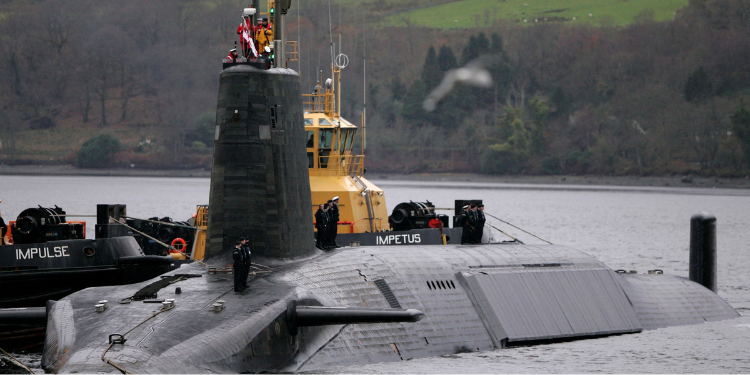
Trident consists of four Vanguard‑class nuclear submarines (SSBNs), operating under the Continuous At‑Sea Deterrence (CASD) policy.
At least one submarine is always on patrol, hidden at sea. Only the Prime Minister can authorise the use of the weapons.
While the launch decision is British, the system is not fully independent.
Trident missiles are US-built and maintained under long-standing US-UK defense agreements.
Missile servicing, upgrades and life‑extension programmes depend on American cooperation.
Also Read: Attorney John Sauer Details How the U.S. Would Handle Children Born Without Birthright Citizenship
Defence officials warn that nuclear deterrence relies on certainty.
If allies or adversaries start to doubt the long-term US commitment, the system’s credibility is undermined, even if the weapons themselves stay operational.
Trump’s remarks have introduced uncertainty during a crucial period.
Britain is planning long-term decisions about replacing Trident submarines and warheads, with costs reaching into the tens of billions of pounds over several decades.
NATO Alliance Shaken
The immediate trigger for the crisis was Trump’s anger over NATO allies refusing to support the US‑led war against Iran. Britain and several European states said the conflict fell outside NATO’s defensive mandate and lacked international legitimacy.
Trump accused allies of failing the US and questioned why America should continue to guarantee their security. He suggested NATO had become a burden rather than a benefit.
Although U.S law requires congressional approval to formally leave NATO, defense experts warn a president could still weaken the alliance by reducing troop deployments, cutting intelligence sharing, or refusing to honor Article 5 commitments.
UK Prime Minister Keir Starmer downplays the threat, asserting that NATO remains strong and US-UK security ties are solid.
Privately, however, U.K. officials admit that Trump’s language has exposed Britain to risks once considered unthinkable.
Across Europe, similar fears are emerging, with governments discussing higher defense spending and reduced reliance on the U.S.