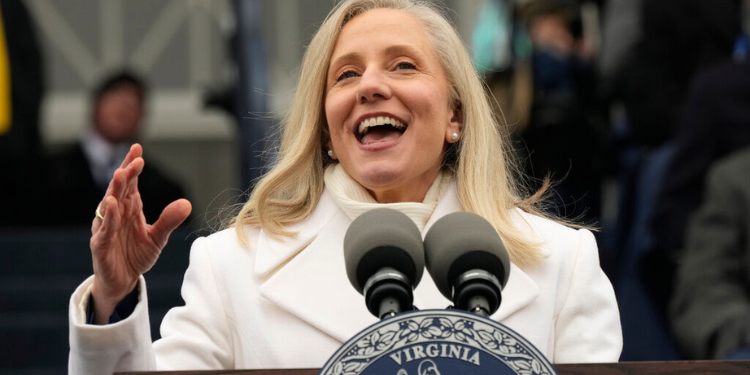
Virginia has taken a major step on worker pay after Democratic Governor Abigail Spanberger signed a new law raising the state’s minimum wage to $15 per hour (Ksh2,175).
The bill was signed in Richmond on April 8, 2026, ending years of debate over wages in the state and setting a clear path for higher pay for low-income workers.
The law does not raise wages to $15 (Ksh 1,935) at once.
Instead, it sets a phased increase over several years.
Virginia’s minimum wage is currently $12.77 per hour.
Virginia Governor Abigail Spanberger Approves Minimum Wage Increase
Under the new law, it will rise to $13.75 (Ksh 1,774) per hour on January 1, 2027.
The wage will then increase to $15 (Ksh 1,935) per hour on January 1, 2028.
Starting in 2029, the minimum wage will be adjusted each year based on inflation, using the Consumer Price Index.
The legislation is known as House Bill 1 and Senate Bill 1.
Democratic lawmakers introduced it, saying wages have not kept pace with the cost of living.
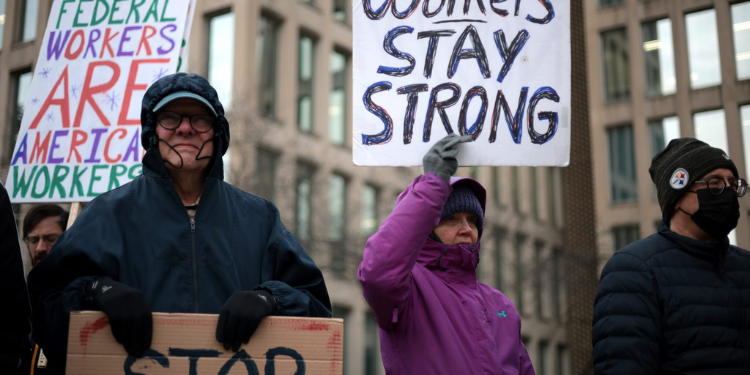
Supporters say many full-time workers still struggle to pay rent, buy food, and cover medical costs despite being employed year-round.
Also Read: Huge Win for Trump as NATO Finally Agrees to Support Him in Iran War
Lawmakers backing the bill say the goal is to ensure that people who work full-time can meet their basic needs.
They argue that rising prices for housing, groceries, fuel, and utilities have made current wages inadequate for many families.
Expanding Coverage and Economic Impact
The law also changes how farm workers are paid.
For the first time, farm workers will be guaranteed the same minimum wage as other workers.
This change will take effect on January 1, 2027, matching the start of the first scheduled wage increase.
Officials say the new wage law will affect hundreds of thousands of workers, especially those in retail, food service, hospitality, caregiving, and cleaning jobs.
The minimum wage applies across the entire state, with no local variations.
Business groups have raised concerns about the higher pay rate.
Some small business owners say increased labor costs may force them to raise prices, cut staff hours, or delay hiring.
Also Read: Pressure Mounts on Israel to Declare Ceasefire in Lebanon As Hezbollah Official Is Eliminated
Others argue the impact will be harder in rural areas, where profits are smaller, and consumer spending is lower.
Supporters of the law say the gradual increase gives businesses time to adjust.
They also say higher wages can reduce employee turnover and increase worker productivity, helping businesses over time.
The state government expects higher costs for publicly funded jobs and services.
Budget analysts estimate payroll expenses will increase each year as the wage rises and as inflation adjustments begin after 2028.
The new minimum wage is much higher than the federal minimum wage, which has stayed at $7.25 (Ksh935) per hour since 2009.
Many states have adopted their own wage laws, citing long-term economic shifts.
With the governor’s signature, the wage increase is now law.
Employers must comply with the new pay levels once they take effect.
Workers do not need to apply or take any action to receive the increase.
The law establishes a permanent framework for future wage growth and marks one of the most significant labor policy changes in recent years.
Governor Abigail Spanberger made the wage bill one of her first major labor actions, signalling her administration’s focus on worker pay and affordability.
By approving a phased increase and inflation-based adjustments, the governor set a long-term wage policy while aiming to balance worker protection with economic stability.