


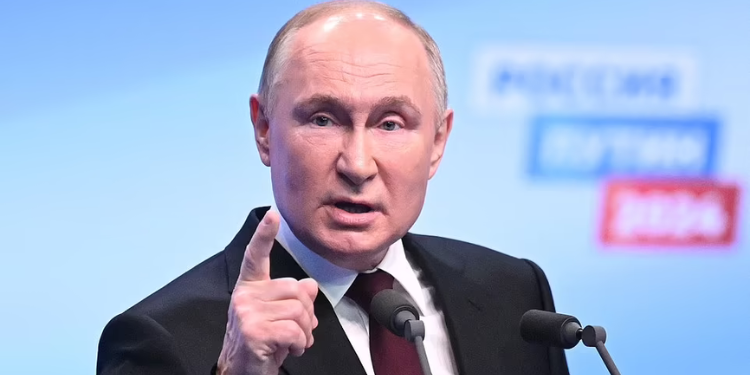
The head of U.S. intelligence, Tulsi Gabbard, warned lawmakers that Russia retains the upper hand in its war against Ukraine, underscoring an assessment delivered as Washington grapples with another escalating conflict in the Middle East.
Appearing before the Senate Intelligence Committee on Wednesday, March 18th, Gabbard said the Kremlin continues to press a grinding campaign that favors its larger reserves and military capacity.
Gabbard’s remarks highlighted a strategic reality that could complicate U.S. foreign policy under Donald Trump.
Russia’s slow war, steady gains
Gabbard described a battlefield shaped less by rapid advances and more by endurance. Russia, led by Vladimir Putin, is pursuing a prolonged war of attrition, betting that time and resources will erode Ukraine’s defenses.
According to the intelligence assessment she presented, Moscow is likely to continue this approach rather than seek a negotiated settlement in the near term. The strategy hinges on sustained pressure across multiple fronts, even as Western military aid continues to flow to Kyiv.
Also Read: Iran Spokespersons Vows to Continue “Unstoppable” Nuclear Industry
Her remarks echo concerns within the intelligence community that the war has settled into a difficult phase for Ukraine, with neither side able to deliver a decisive blow but Russia maintaining incremental advantages.
The assessment stops short of declaring an outright Russian victory. Still, it points to a shifting balance that could shape future diplomatic efforts and decisions on military support in Washington and among its allies.
Iran war dominates Washington hearing
Much of Wednesday’s session focused on the unfolding conflict with Iran, now in its third week. Gabbard told senators that Tehran’s leadership structure remains intact despite heavy strikes carried out by the United States and Israel under a joint campaign.
“The regime appears intact but largely degraded,” she said, noting that Iran and its regional allies still retain the capacity to target U.S. and allied interests.
The conflict has already exacted a heavy toll, with thousands reported killed and millions affected. It has also rattled global energy markets and raised concerns about a broader regional escalation.
Lawmakers from both parties pressed for clarity on the administration’s strategy, with several expressing frustration over what they described as limited information shared with Congress since the start of the air campaign.
Also Read: Worry as Trump Abandons Ukraine, Turns Away from Allies in Major Policy Shift
Questions over strategy
The dual crises, Russia’s war in Ukraine and the confrontation with Iran are forcing difficult trade-offs for the Trump administration.
Democratic lawmakers questioned whether the focus on Iran risks diverting attention and resources from Ukraine at a critical moment. Some Republicans, while largely supportive of the administration, also called for clearer objectives and timelines.
Tensions were further heightened by the resignation of a senior counterterrorism official, who stepped down citing opposition to the Iran war. The move marked the first high-level departure tied directly to the conflict.
Gabbard declined to detail specific briefings but said the intelligence community is providing the president with its “best objective assessments” to guide decision-making.





Russia is losing the war in Ukraine and would even faster if Trump stopped aiding our enemy Russia. Tulsi Gabbard is a fool.