Major airlines operating in the Caribbean region are preparing for significant operational challenges following the Cuban announcement of an emergency one-month fuel halt.
Cuba has issued a NOTAM (A0356/26) suspending Jet A-1 fuel availability at José Martí International Airport (Havana, MUHA) and eight other international airports, effective from 10 February 2026 at 05:00 UTC until 11 March 2026 at 05:00 UTC.
“Jet A-1 fuel will not be available at Cuban airports for one month starting 10 February 2026,” the notice read in part.
During this period, airlines will not be able to refuel with Jet A-1 at Cuban airports.
Airline Operations Disrupted
The suspension primarily affects carriers that regularly operate to and from Cuba, especially those on long-haul return flights.
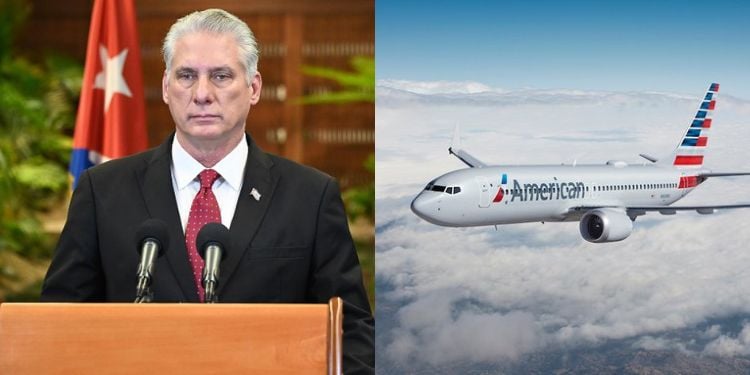
Airlines impacted include major North American carriers such as Delta, American Airlines, and Air Canada; European airlines including Lufthansa, Iberia, and Air France; and Latin American/Caribbean operators like Copa and certain Mexican carriers.
Affected airlines must now implement alternative operational measures, including carrying additional fuel from their origin airports (“tankering”), making technical refuelling stops at other airports in the Caribbean or beyond, and potentially reducing or cancelling some flights.
“Carriers will need to carry extra fuel or refuel at alternative airports,” the notice advised, adding that flight reductions or cancellations may be necessary due to the suspension.
Also Read: Trump Begins Search for Cuban Government Insiders, Sets Deadline for Regime Change
The fuel halt covers nine international airports across, including Havana (MUHA)
- Varadero (MUVR)
- Cienfuegos (MUCF)
- Santa Clara (MUSC)
- Camagüey (MUCM)
- Cayo Coco (MUCC)
- Holguín (MUHG)
- Santiago de Cuba (MUCU)
- Manzanillo (MUMZ)
This measure is expected to significantly disrupt airline operations to the island, raising operational costs and affecting passenger schedules for one month.
Cuba Plans Measures to Address Fuel Shortages
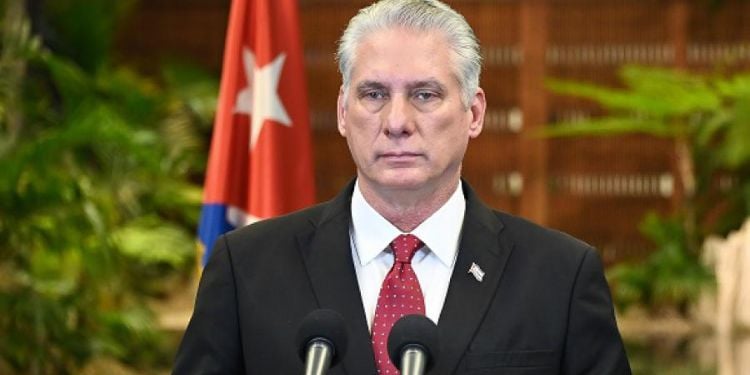
Cuba is set to roll out a plan to deal with fuel shortages as the United States blocks supplies to the country. Cuban President Miguel Díaz-Canel announced on January 5 his intention to implement the plan as early as this week.
Also Read: Trump Reveals New Plan to Control Cuba
Díaz-Canel said the country was working to increase its crude oil extraction and storage capacity to boost self-sufficiency. He added that the country also had the “right” to receive sea-bound fuel deliveries.
“We will continue to take all necessary steps to ensure that the country can once again receive fuel imports,” he said.
Tensions surged last week after the U.S. threatened to impose tariffs on countries that send oil to the country. As a result, Cubans have faced surging food and transportation costs and blackouts across the country.
Díaz-Canel described the situation as “complex” and called the U.S. stance “aggressive and criminal,” saying it’s affecting transportation, hospitals, schools, tourism, and the production of food.
“We are going to take measures that, while not permanent, will require effort. Some … are restrictive, requiring us to adjust consumption and promote savings. There are things we have to stop, or postpone, to continue functioning in essential areas,” he said during a two-hour televised press conference.
Follow our WhatsApp Channel and X Account for real-time news updates.