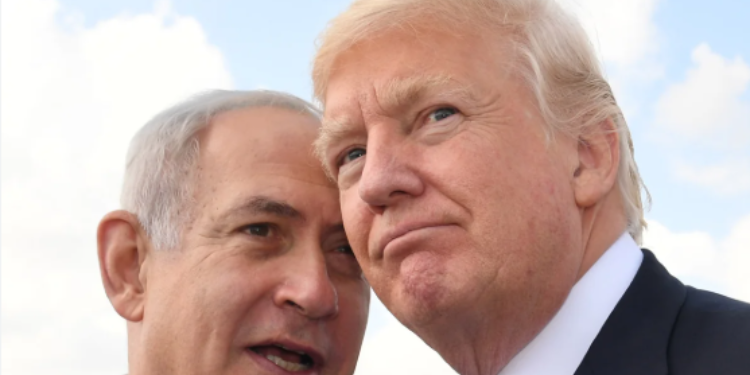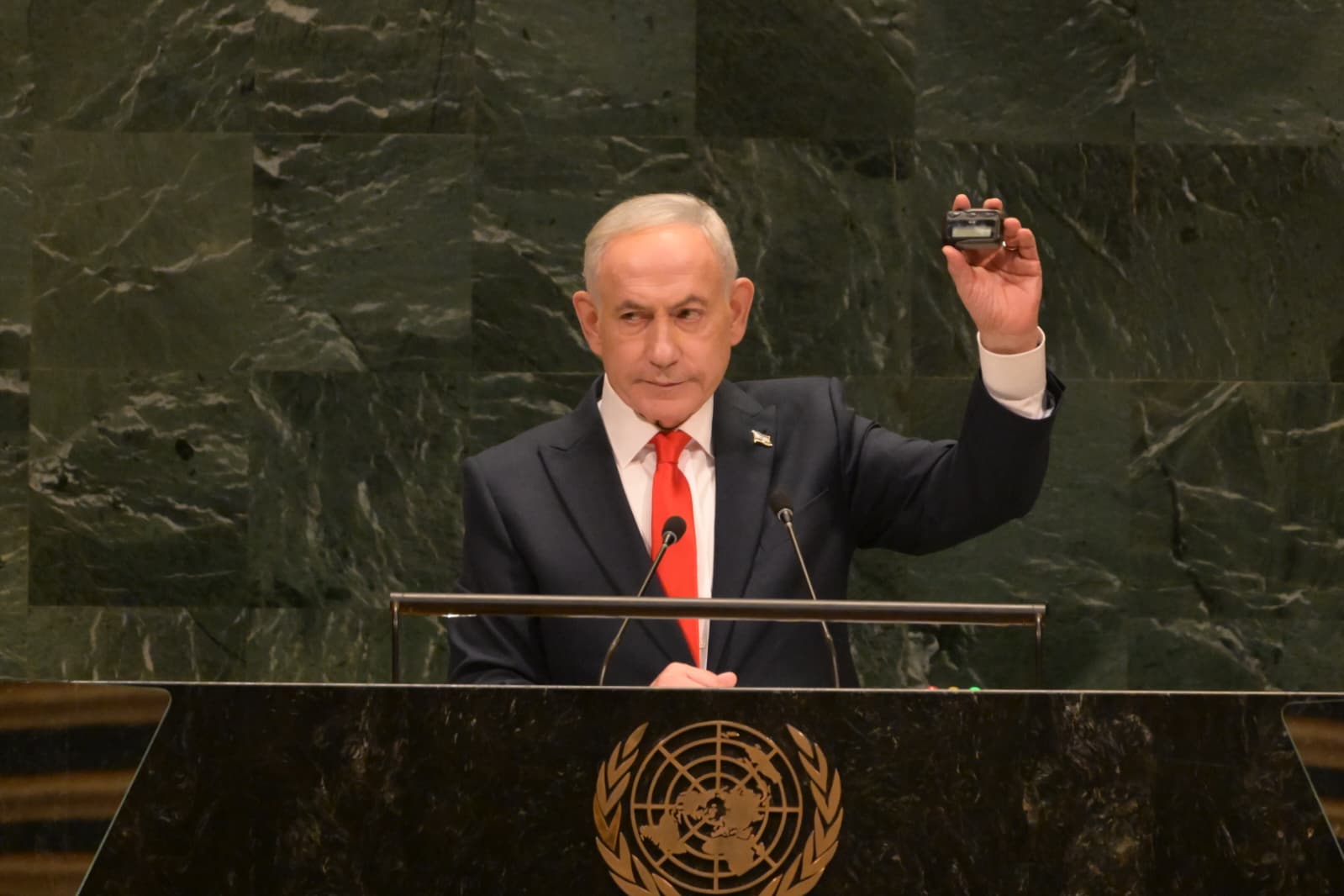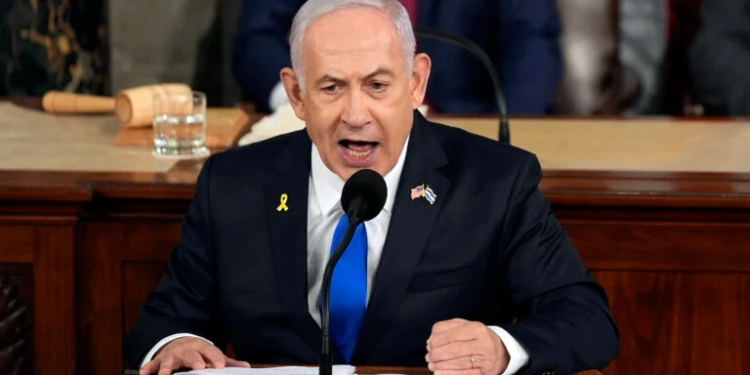
Israeli Prime Minister Benjamin Netanyahu ordered the military to strike as many high-value targets in Iran as possible within 48 hours.
He gave the order from an underground bunker in Tel Aviv after reviewing a 15-point peace plan sent by US President Donald Trump on Tuesday.
Netanyahu sets deadline after Trump plan arrives
The plan included tight limits on Iran’s missile stockpile and nuclear program. Netanyahu and his advisers decided it did not go far enough to stop Iran’s military power.
The Thursday deadline showed Israel’s concern that Trump could reach an agreement with Tehran at any time. Officials at the meeting described the room as tense. Iran rejected the proposal on Wednesday through state media.
Israel is also carrying out strikes in Gaza and Lebanon against Iranian-backed groups. Netanyahu’s government has three clear aims: remove Iran’s stock of ballistic missiles, block any path to a nuclear warhead, and create conditions inside Iran for civilians to remove the current regime.
“If you do not obtain the three objectives, you will not be able to end the war,” said Boaz Bismuth, a member of Netanyahu’s party.
US prepares troops as Iran lists its demands
The Trump administration has stepped back from the goal of changing Iran’s government. Pentagon officials sent about 2,000 paratroopers from the 82nd Airborne Division to the Middle East on Tuesday night.
Also Read: Worried Netanyahu Asks for Help as Iran Overwhelms US and Israel
They will join 4,500 Marines already heading to the region. Trump has said he is ready to order a full ground invasion if Iran keeps refusing talks.
“Trump has a hand open for a deal, and the other is a fist, waiting to punch you in the f***ing face,” a Trump aide told Axios.
The 15-point plan would force Iran to scrap all nuclear and long-range missile work, open the Strait of Hormuz to shipping, and cut ties with its proxy groups. Iran refused. It demanded that the US close all its bases in the Gulf, pay reparations, and stop Israeli attacks on Hezbollah in Lebanon.
Tehran also wants control of the Strait of Hormuz so it can charge fees on oil tankers, similar to Egypt’s Suez Canal fees. A Trump official called Iran’s demands “ridiculous” and “unrealistic”. The official added that a deal is now harder to reach than before the fighting started.
The two sides do not speak directly. Messages pass through officials in Egypt, Turkey and Pakistan. Saudi Arabia has told Trump it will not accept Iran controlling the strait and has urged him to keep pressure on Tehran, including possible ground operations at Iran’s oil sites.
Also Read: Twist as Arab Nations Confront Netanyahu After Israeli Strikes
Iran has said it does not trust Trump’s envoys Jared Kushner and Steve Witkoff and has asked for Vice President JD Vance to lead future talks instead.
Why this matters
The 48-hour operation and the troop movements show how close the region is to wider fighting even as diplomatic efforts continue. Any deal or invasion would affect oil flows through the Strait of Hormuz, which carries about one fifth of the world’s oil supply.
A quick end to the strikes or a US ground operation would also shape the future of Iran’s government and its role in the Middle East for years to come.