A fragile two-week ceasefire between the United States and Iran, announced on Tuesday, April 7, by President Donald Trump, faced immediate strain on Wednesday as Tehran vowed to punish Israel for what it called a “crime” in Lebanon and a blatant violation of the truce terms.
A senior Iranian official told Al Jazeera that Iran will respond forcefully to Israeli strikes in Lebanon, insisting the agreement covers the entire region, not just direct hostilities between Washington and Tehran.
“The ceasefire includes the region, and Israel is known for breaking promises and will only be deterred by bullets,” the official said.
Iran’s state-linked Fars news agency, quoting an unnamed military source, reported that Tehran is actively preparing a response to what it views as Israel’s breach.
Other Iranian outlets, including Tasnim and Press TV, suggested the Islamic Republic could even withdraw from the deal if attacks on its ally Hezbollah continue.
The ceasefire agreement between Iran and the US was hailed by President Donald Trump as a success for both countries.
It included provisions for safe transit through the vital Strait of Hormuz, a chokepoint for global oil supplies that Iran had largely blocked during the fighting.
The Hill reports that markets initially reacted positively, with oil prices dropping on hopes of a stabilized shipping market.
Iranian officials and mediators, including Pakistan, claim that the agreement was meant to halt fighting across fronts, including Lebanon.
Read Also: Did Israel Break the Ceasefire With Iran? JD Vance Sets the Record Straight on Lebanon Strikes
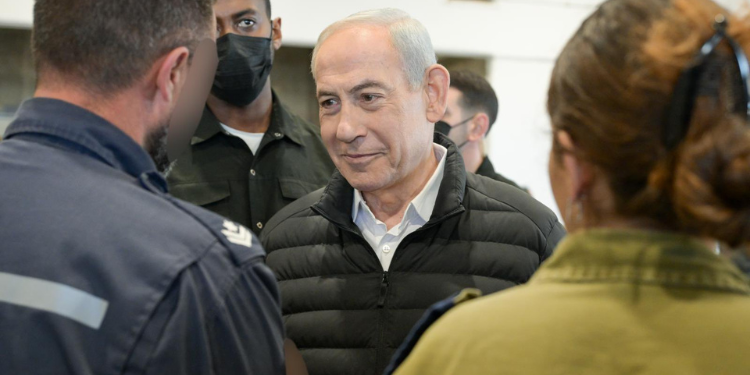
Israel and the US strongly disagree, with Prime Minister Benjamin Netanyahu stating explicitly that the ceasefire “does not include Hezbollah.”
Vice President JD Vance, speaking from Budapest, also revealed that Iran’s expectation that the ceasefire deal would cover Lebanon was a result of “a legitimate misunderstanding.”
Vance told reporters that the United States never indicated that the agreement would extend to operations involving Hezbollah or Israeli actions there.
“I think this comes from a legitimate misunderstanding. I think the Iranians thought the ceasefire included Lebanon, and it just didn’t. We never made that promise, we never indicated that was gonna be the case,” he said.
Earlier on Wednesday, the IDF struck several targets in Beirut. It is estimated that dozens or even hundreds lost their lives.
Hezbollah described the assaults as retaliation for earlier violations of a separate November 2024 ceasefire and ongoing Israeli operations in southern Lebanon.
Iran sends warnings.
Iranian Foreign Minister Abbas Araghchi raised the alleged violations with Pakistani officials and warned that the United States must choose between a genuine ceasefire or continued “war via Israel.”
Tehran has also reportedly suspended tanker traffic through the Strait of Hormuz again in response, though the White House described such reports as overstated or false and demanded the waterway remain open.
Lebanese Prime Minister Nawaf Salam had hoped that the US-Iran deal would help calm tensions, but new attacks in Beirut dashed those hopes.
Also Read: Why Trump Is Clashing With CNN Over Iran and Control of the War Story
Israeli officials said they had to strike Hezbollah targets to protect the nation from threats from Hezbollah, which they said included rockets aimed at Israeli civilians and military facilities.
For now, the ceasefire hangs in the balance. Iranian military sources say target identification is underway, signaling readiness for retaliation.
It is not yet clear whether Tehran follows through with direct strikes on Israel or limits itself to proxy responses, which could determine if the region slides back into full-scale war or finds a narrow window for diplomacy.
Meanwhile, Israel has vowed that targeted strikes against Hezbollah will continue until the group’s capabilities to strike Israel are wiped out.
Amnesty International’s regional director for the Middle East and North Africa, Heba Morayef, has urged Israel to halt the strikes on Lebanon, adding that civilians are paying the heavy price.
“Civilians in Lebanon are already paying an unbearable price with children, health workers, and journalists amongst those killed; the latest attacks will only increase this devastating human toll,” Heba said.