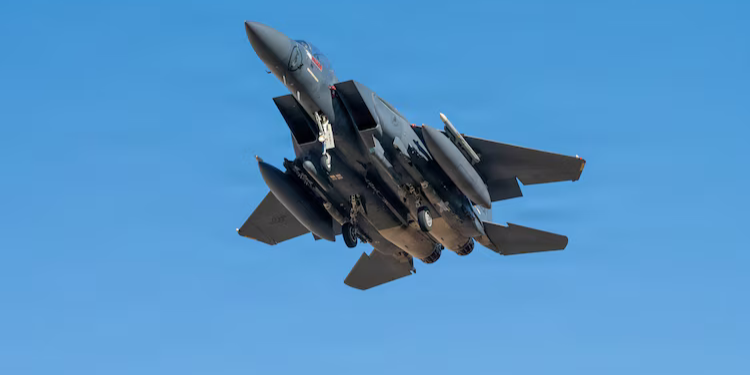
NATO air defenses intercepted a fourth Iranian ballistic missile over Turkish airspace on Monday, March 30, forcing the alliance to react quickly in a conflict that has now extended into its fifth week.
The missile was shot down shortly after crossing into Turkish territory, with no injuries or damage reported on the ground.
Turkish officials confirmed the interception, and sources familiar with the incident described it as another direct challenge to NATO’s eastern flank.
This latest launch marks the fourth time Iran has sent a projectile toward Turkey since the United States and Israel began their joint military campaign against Iranian targets on February 28.
Turkey is in an uncomfortable position as the Iran war escalates.
Each attempt has been neutralized by allied air defense systems, but the repeated incidents have put Turkey, the only NATO member whose soil has come under fire in this war, in an increasingly uncomfortable position.
Turkey shares a long border with Iran and has long tried to steer clear of the escalating violence. Ankara has repeatedly criticized both Israel’s actions and Iran’s responses, urging de-escalation whilst avoiding deeper involvement.
Yet the missiles keep coming, even though Iranian officials have denied responsibility for all four incidents, calling the accusations baseless. Turkish diplomats have lodged formal protests with Tehran following each event.
Also Read: Germany Refuses Trump’s Call to Secure Strait of Hormuz
A NATO spokesman, Allison Hart, stressed the alliance’s readiness. “NATO is prepared for such threats and will always do what is necessary to defend all allies,” the statement read as quoted by Bloomberg.
Last week, Turkey announced that NATO would position a new Patriot air-defense battery at Incirlik Air Base in the south, a site that already hosts American forces.
The deployment signals growing concern that the fighting could spill over into neighboring countries.
Effects of the Iran war.
The wider war has already caused significant disruption, including reported deaths from all sides.
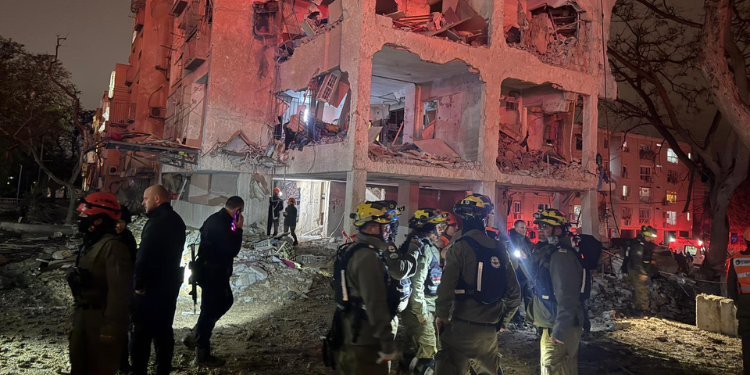
Israeli refineries have burned after Iranian strikes, while military infrastructure inside Iran has suffered serious damage from U.S. and Israeli attacks.
Oil flows through the Strait of Hormuz remain heavily restricted, sending reverberations through global energy markets.
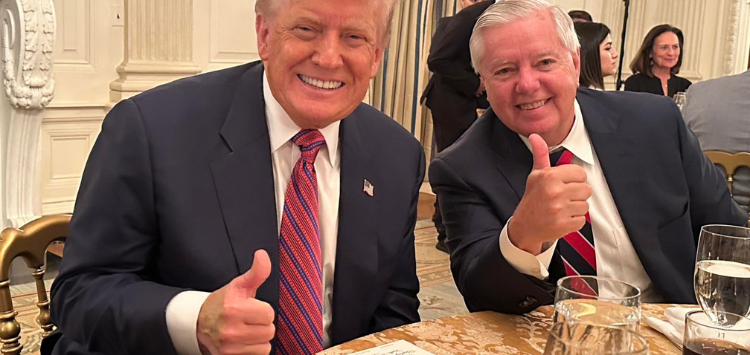
On Monday, President Donald Trump issued a fresh warning to Iran. He threatened to “obliterate” Iranian infrastructure if Tehran does not agree to an immediate ceasefire and reopen the vital shipping lane. Trump had earlier given Iran 10 days to make a deal or risk strikes on its power and energy plants. The ten-day period ends on April 6, 2026.
Turkey finds itself caught between its NATO obligations and its desire to avoid another regional war. The country has hosted diplomatic talks in the past and maintains relations with both sides, but the direct missile threats have tested Ankara’s balancing act.
Officials in Istanbul and Ankara have grown more outspoken about the need for all parties to step back before the situation spins further out of control.
It is believed that Iran’s decision to target Turkey, even if the missiles are being denied, sends a message about the reach of its arsenal and its willingness to strike NATO territory.
So far, the alliance’s defensive systems have held firm, but each new launch raises the risk of miscalculation. A single failure in interception could pull Turkey, and by extension the entire NATO alliance, directly into active combat.
Also Read: US Gains Support from Five Countries After Snub by European Nations
Diplomats from multiple countries are working behind the scenes to open channels for talks, but public statements from all sides remain hardened.
The U.S. and Israel are still carrying on with operations aimed at degrading Iran’s military capabilities, while Iran has vowed to retaliate against what it calls aggression.
Meanwhile, the human and economic costs continue to mount, with families near the border living with the constant sound of jets and sirens.
Energy prices keep on climbing higher each day the Strait stays closed. And the longer the conflict drags on, the harder it becomes to imagine a quick return to any kind of stability.
President Trump had earlier urged all NATO allies to pull military resources and power together and force Iran to open the Strait of Hormuz to enable the smooth flow of commercial ships, but most of them rejected the call.