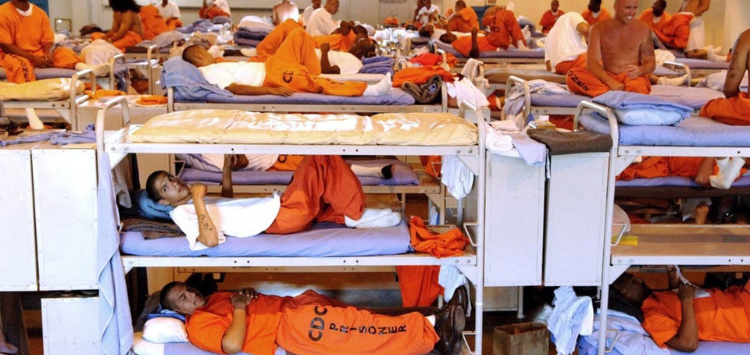
Starting January 1, 2028, every state criminal and family court judge in New York who handles sentencing or detention cases must visit a prison or jail at least once a year.
The Administrative Board of the Courts approved the change in May 2026. It replaces a 1970s rule that required such visits only once every four years. New York officials say the state is the first in the country to impose an annual requirement.
Chief Judge Rowan Wilson described the policy as a way to ground judges in the practical effects of their decisions.
“This rule keeps judges better connected to what transpires after sentencing,” Wilson said. “It deepens a judge’s firsthand understanding of prison conditions and the broad impact of incarceration on individuals, families, and communities, as well as the opportunities available during incarceration.”
Under the new rule, visits must cover multiple areas of a facility, including intake, housing units, work and education programs, recreation, visitation rooms, dining halls, and medical and mental health services.
Judges are expected to speak with inmates, correction officers, administrators, and service providers.
The requirement applies to hundreds of judges across the state, including those in family court who deal with juvenile offenders.
Court officials said an advisory task force will develop guidelines for implementation, training, and logistics.
Supporters, including members of the Office of Court Administration’s Advisory Committee on Criminal Law and Procedure, argue the visits will lead to better-informed sentencing.
They say judges will gain direct insight into conditions that affect rehabilitation and public safety. Critics called the policy misguided and out of touch with crime victims.
Ramon Acevedo, 70, survived a 2020 hammer attack at a Manhattan supermarket during the COVID-19 pandemic. His attacker served two years in prison.
“What about the victims?” Acevedo said. “Should the judges be required to see the harm done to victims and families? What about the way the victims were treated? I’m grateful I’m still alive.”
Francisco Marte, president of the Bodega and Small Business Association, which represents thousands of small businesses in New York City and Westchester, also criticized the rule.
“They hate the working people. They just have compassion for victims,” Marte said, citing cases like that of bodega worker Jose Alba, who was initially charged with murder after stabbing an attacker in self-defense in 2022.
Marte argued the policy reflects a justice system that prioritizes offenders over law-abiding citizens and workers who frequently become victims of crime.
The change comes amid ongoing debates in New York over criminal justice policies, including bail reform, conditions at Rikers Island, and sentencing practices.
Opponents say requiring judges to tour facilities annually could subtly influence them toward shorter sentences or alternatives to incarceration.
Court officials emphasized that the visits are not intended to replace oversight by correction professionals or to weaken accountability for offenders. They said the goal is to ensure judges understand the realities of the sentences they impose.
The policy does not apply to all judges, only those whose work involves sending people to correctional facilities. Details on which specific facilities judges will visit and how the tours will be scheduled are still being finalized.