The U.S. economy kicked off 2026 with high hopes tied to bigger tax refunds, but surging gas prices are quickly wiping out much of that extra cash for many households.
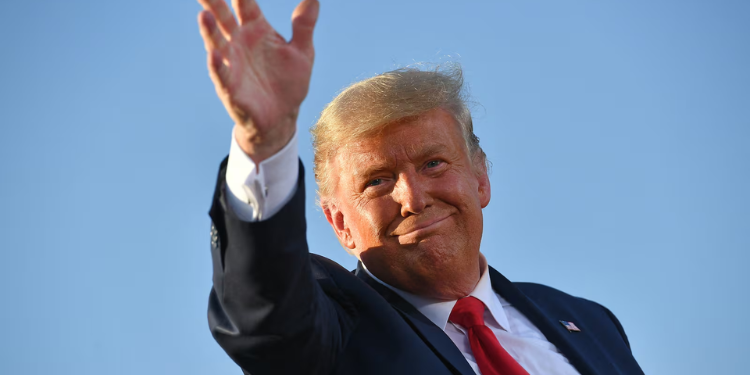
Americans expecting a windfall from record-high tax refunds are finding much of that extra cash quickly eaten up by rising fuel prices, prompting critics to accuse President Donald Trump of effectively taking back the money promised to households.
Trump highlighted the potential windfall in a December prime-time speech, calling the upcoming tax refund season the largest ever.
This stemmed from tax changes under recent legislation, often referred to as the One Big Beautiful Bill Act or similar measures, which included provisions like no tax on tips, overtime, and Social Security benefits, along with other deductions retroactive to 2025.
These adjustments meant that many workers had more tax withheld from their paychecks than required, resulting in larger refunds when filing this year.
Early IRS data through early March showed average refunds at around $3,676, up about $352 from the prior year.
Estimates from groups like the Tax Foundation suggested the average household could see an increase of roughly $748 in refunds compared to previous years, though actual figures may rise as more returns are filed.
Also Read: Trump Administration Initiates $3,676 Tax Refund Drive
That boost was meant to put more money in people’s pockets for spending on everything from dining out to shopping or saving. But the outbreak of conflict involving Iran, starting February 28, changed the picture fast.
Oil markets reacted sharply to disruptions, including issues in the Strait of Hormuz and attacks on energy infrastructure. Crude prices climbed significantly, pushing the national average gas price higher.
As of March 22, AAA reported the national average for regular unleaded at about $3.94 per gallon, up more than a dollar from late February levels around $2.90-$3.00.
Sources noted peaks near $3.93-$3.94 in recent days, with weekly jumps of 25-35 cents at times during spring break season. This marks a roughly 30% rise in many areas since the conflict began, with the hardest hit in regions dependent on Gulf supplies.
The rapid climb follows the classic pattern where fuel costs rise quickly but fall slowly, which economists call the “rocket and feathers” effect. Forecasts suggest prices could stay elevated for months, even if tensions ease, due to lingering supply issues and seasonal demand.
For the average household, the extra spending on gas could offset much of the gain from the refund. If prices average higher through the year, consumers might face hundreds more in fuel costs, potentially $700 or more annually in some projections, nearly matching or exceeding the estimated refund increase.
Lower- and middle-income families feel this pinch most, since they spend a larger share of their budgets on gasoline (around 4% for the bottom earners versus 1.5% for the top earners) and often receive smaller refunds overall.
Also Read: Americans are Paying Less Taxes in California Than Texas, Democratic Governor Claims
Savings rates have dropped in recent years, credit card use is up, and hiring has slowed compared to post-pandemic highs. Many rely on “buy now, pay later” options even for basics.
Discretionary spending, such as restaurants and travel, held up initially, but prolonged high gas prices tend to pull back spending in those areas as budgets tighten.
Bank of America data from mid-March showed gas spending on cards up 14% year-over-year, reversing earlier declines.
The economy has bounced back from disruptions before, and energy’s share of household budgets remains lower than a decade ago.
Still, with spring driving demand and no quick fix in sight for global supply strains, those bigger refunds are vanishing at the pump for many Americans before they can really enjoy them.
The promise of extra cash to fuel spending has instead turned into dollars literally fueling cars amid rising prices.