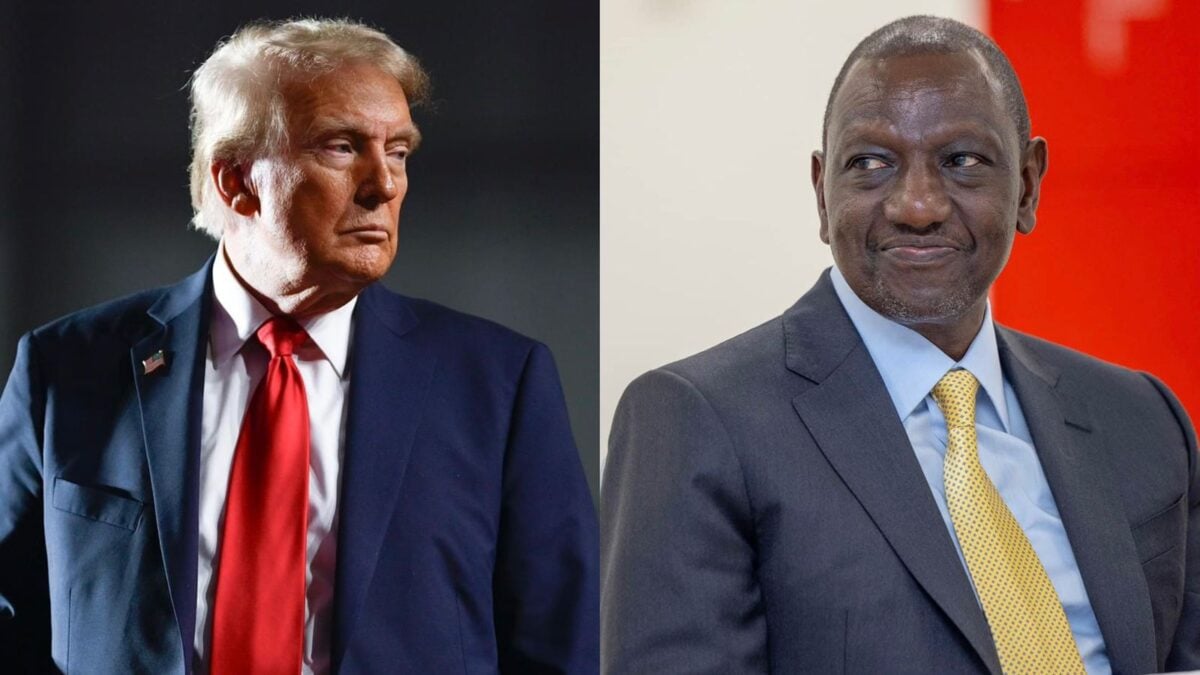
The Trump administration has said it has backup options for quarantining Americans exposed to Ebola after a Kenyan court blocked plans for a U.S.-backed facility in that country.
Dr. Mehmet Oz, administrator of the Centers for Medicare and Medicaid Services, addressed the issue during a White House press briefing on Tuesday, June 2.
He expressed confidence that the diplomats could still reach a deal with Kenya, but made clear the U.S. would not be left without choices.
Trump Administration Looks for Alternatives After Kenya Court Ruling
“There are many places we can send folks,” Oz said. He noted that flying long distances back to the United States is not the best medical choice, especially when closer facilities could provide faster treatment.
The dispute began after the administration announced plans to set up a 50-bed field hospital at Laikipia Air Base in Kenya.
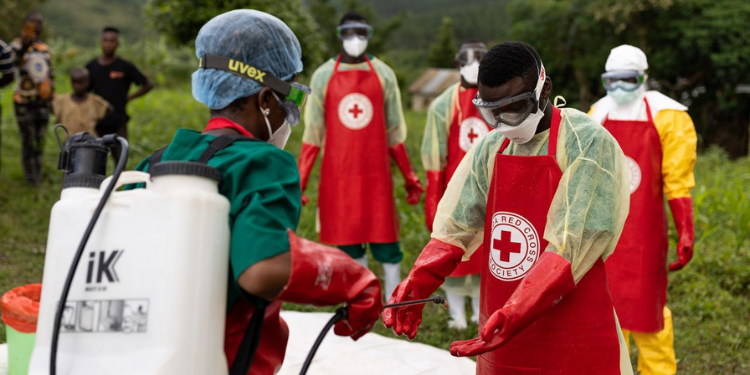
The plan aimed to handle Americans who came into contact with the Ebola virus while working in the Democratic Republic of Congo, where an outbreak is growing.
Instead of bringing them straight home, officials wanted to monitor and treat them closer to the region to reduce travel risks.
Kenyan officials had agreed to the idea and expected the site to open last Friday. In return, the U.S. offered millions of dollars in aid to help Kenya improve its own Ebola readiness.
Protests and Legal Challenge Derail Kenya Ebola Plan
But local protests broke out near the base, with residents and activists expressing worry that the facility could put Kenyans at risk and damage tourism in the area. Protesters blocked roads near Nanyuki, the town closest to the air base.
A rights group called the Katiba Institute went to court, arguing the deal lacked proper public input and raised constitutional issues.
On Friday, a High Court judge issued a temporary order blocking any Ebola quarantine or treatment facility linked to the United States. The freeze remains in place until a full hearing, which was expected early this week.
The court move surprised some U.S. officials, who had described the Kenya site as nearly ready. Public health experts inside the administration argued the plan made sense on paper.
Ebola spreads through direct contact with bodily fluids, and quick isolation near the outbreak zone can limit spread.
The Trump administration maintains that transporting exposed people between continents by plane always carries some risk, even with strict precautions.
Also Read: Details of US Travel Advisory to Its Citizens Amid Controversy Over Ebola
Still in Kenya, medical unions threatened strikes as opposition politicians accused the government of trading safety for American money.
Oz told reporters the administration is still talking with Kenyan leaders and is hopeful that the situation could change for the better.
The State Department said it feels positive about working something out. But he also pointed to other possibilities.
Allies such as the United Kingdom and Germany have offered support in past health crises.
The U.S. could turn to bases or facilities in Europe or in other African nations willing to host them, though none have been publicly confirmed.
Health officials state that so far, no confirmed Ebola cases have been imported into the United States from this outbreak, and the main goal is to keep it that way.
Secretary of State Marco Rubio has said clearly that no Ebola patients will be allowed into the country.
The current Ebola outbreak in northeastern Congo has sickened hundreds and killed dozens. A related flare-up also appeared in Uganda.
Ebola Outbreak Continues to Raise Global Health Concerns
Aid groups say the virus is outpacing response efforts as new cases keep coming, raising fears it could cross more borders.
The Kenya plan offered a middle ground for Americans working in the region, including diplomats, aid workers, and researchers.
They could quickly leave the hot zone, get top-level monitoring, and avoid the long flight home while still possibly infectious. If symptoms developed, treatment could start right away.
Critics of the initial plan, including some U.S. Democrats and global health voices, said every American has the right to come home.
Also Read: High Court Orders Govt to Disclose All Agreements and Approvals on Ebola Facility
They worry that outsourcing care could set a troubling precedent. Others question whether Kenya, or any country, should bear the burden of another nation’s exposed citizens.
Administration officials say the Kenya site was always meant to be temporary and well-equipped. American medical teams would run it.
Kenya stood to gain new labs, training, and funding in the millions to strengthen its defenses against future outbreaks.