President Donald Trump said he has already instructed the United States military how to respond if Iran ever succeeds in assassinating him, warning that Tehran would face overwhelming retaliation.
Speaking in an interview with the New York Post published Friday, July 10, Trump said he has lived under the threat of an Iranian assassination plot for years and has prepared a response should such an attack ever occur.
“I’ve been on their list for a long time. That’s what we’re dealing with,” Trump said.
He added that he has already left instructions for what should happen if he is killed.
“The only thing is, I’ve left instructions, if anything happens, to just literally bomb them at levels that they’ve never seen before,” the president said.
Trump Dismisses Reports of a New Assassination Plot
The president was also asked about recent reports that Israel had shared intelligence with the United States suggesting Iran was preparing another plot to assassinate him.
Trump indicated he did not believe the information pointed to a newly developed threat.
“No, no. Israel came up with nothing. No, no,” he said. “I’ve been No. 1 [on Iran’s kill list] for a long time, and it’s the way life is, you know.”
Also Read: US Launches “Powerful” Strikes on Iran After Attacks on Ships in Strait of Hormuz
Earlier this week, Israeli intelligence reportedly alerted U.S. officials to a new and specific Iranian plot to assassinate President Trump.
Reports indicate the warning prompted Trump to fly home from the NATO summit in Turkey aboard the older Air Force One, which has more advanced defensive systems, rather than the newer Qatari-gifted jet.
Long-running Tensions with Iran
Iran has repeatedly vowed revenge since a 2020 U.S. drone strike that killed Iranian military commander Qasem Soleimani in Baghdad during Trump’s first term in office.
Since then, American authorities have publicly disclosed several alleged Iranian plots targeting Trump.
In November 2024, the U.S. Department of Justice charged Iranian national Farhad Shakeri, alleging that Iran’s Islamic Revolutionary Guard Corps directed him to develop a plan to kill Trump.

Earlier this year, Defense Secretary Pete Hegseth also announced that U.S. forces had killed Rahman Makdam, the leader of an Iranian intel unit allegedly involved in an earlier assassination effort targeting the president.
Trump has frequently cited those incidents as evidence that Iran continues to view him as its primary target.
Regional Tensions Continue
The interview came as relations between the United States and Iran have deteriorated again after the recent signing of the MoU. The president recently declared that, in his view, the ceasefire was effectively finished.
“To me, I think it’s over. I don’t want to deal with them,” he said earlier this week. “They’re scum. They’re sick people. They’re led by sick people.”
The renewed confrontation followed attacks on commercial vessels transiting the Strait of Hormuz, which Washington blamed on Iran.
The Trump administration responded with more military strikes against Iranian targets and mounting pressure on Tehran.
Also Read: Tension Rises: Trump Orders New U.S. Strikes After Warning Iran Ceasefire May Be Over
Trump continued his criticism of Iran while attending the NATO summit in Turkey, describing the country’s leadership as responsible for years of hostility toward the United States.
Speaking during the summit, he said Iranian leaders have repeatedly changed following military operations yet insisted the threats against him have remained constant.
“They had leaders, they’re gone. Then they had another set of leaders, they’re gone. Now they have another set of leaders, they may be gone, who knows?” said the president.
Iranian Threats Remain a Concern
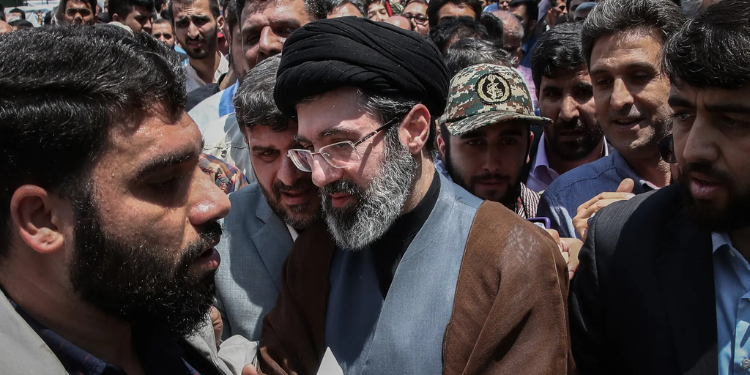
The latest remarks came after public calls for retaliation against Trump surfaced during memorial gatherings held in Iran following the death of the country’s supreme leader.
According to Iranian media reports, speakers at one memorial gathering questioned why Trump was still alive and described killing him as a duty because of Soleimani’s death.