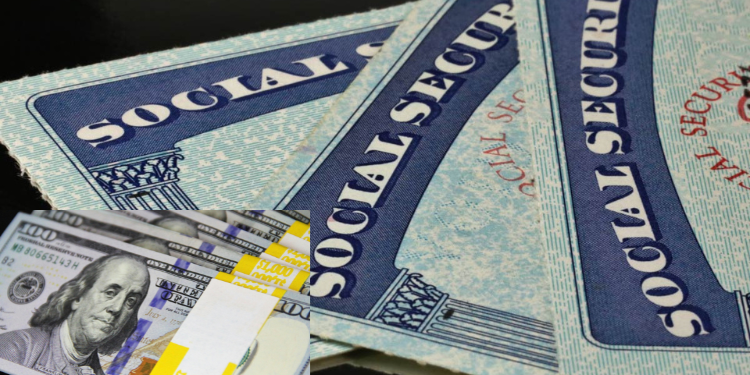
President Donald Trump’s push to eliminate taxes on Social Security benefits for seniors is facing scrutiny over the potential impact on the program’s finances, with estimates showing the policy changes could reduce Social Security revenue by $168.6 billion through 2034.
Trump rallied workers at a Mack Trucks facility on June 23, 2026, framing the 2025 tax legislation as a central issue ahead of the midterm elections.
The President highlighted provisions that would provide deductions for overtime pay and an extra break for seniors on Social Security benefits, claiming they would increase household take-home pay by more than $10,000 annually for many families.
Focus on Worker and Senior Relief
Trump spoke at the Lehigh Valley plant, emphasizing manufacturing jobs and tax relief for hourly workers and retirees.
“We delivered no tax on tips, no tax on overtime, and no tax on Social Security for our great Pennsylvania seniors,” he said. The remarks positioned the “One Big Beautiful Bill Act,” signed July 4, 2025, as delivering on campaign promises.
Also Read: Social Security Data Leak Exposes Provider Records in Medicare Database Error
The bill extends provisions from the 2017 Tax Cuts and Jobs Act and adds targeted deductions. Republicans passed it along party lines. Every Democrat in Congress voted against the package.
The Deductions
The law includes an above-the-line deduction for qualified overtime pay, the premium portion above the regular rate under the Fair Labor Standards Act.

It is capped at $12,500 for single filers and $25,000 for joint filers, phasing out above modified adjusted gross income of about $150,000 single or $300,000 joint. The deduction applies only to federal income taxes, not payroll taxes, and runs through 2028.
For seniors, the bill provides an additional $6,000 deduction for those 65 and older. This reduces taxable income and can lower or eliminate federal income taxes on Social Security benefits for many middle-income recipients.
It does not repeal taxation of benefits outright and also expires after 2028. A similar capped deduction applies to tips.
Also Read: 4,000,000 Disabled and Old Americans to Lose Money in New Social Security Rule Change
Administration officials project these changes, combined with extended 2017 cuts and economic effects, could boost average household pay by more than $10,000 a year in certain cases.
Actual benefits depend on income, overtime hours, filing status, and state tax conformity. Many Democratic-led states have not conformed to the new federal deductions.
Revenue Cost Draws Criticism
The Social Security-related provision faces particular scrutiny. Analyses by groups such as the American Federation of State, County and Municipal Employees (AFSCME) estimate approximately $168.6 billion in lost revenue to Social Security over 10 years.
Groups like the Committee for a Responsible Federal Budget and Penn Wharton Budget Model put the full package’s conventional revenue cost in the trillions, including extensions of prior cuts.
The Joint Committee on Taxation and Congressional Budget Office have scored similar provisions as adding significantly to deficits. The overtime and tips deductions together cost tens of billions over 10 years in their temporary form.